
Most Viral Skincare Brand in Pakistan (2026): Why Everyone Is Talking About COVERAGE®
Search "most viral skincare brand in Pakistan" and you will find page after page of top 10 lists, most of them written by a brand that has quietly placed itself at number one. We are a brand too, so we are not going to pretend this article is neutral. What we will do is something those lists rarely do: show you exactly what "viral" should mean for a skincare brand, put our own numbers on the table, and back every product claim with the published science on the ingredient.
COVERAGE® Skincare is a Korean-formulated Pakistani skincare brand. In three years it has grown from a single tinted sunblock into a full skin and hair range, with more than 72,000 orders delivered across Pakistan, over 5,000 customer reviews and a community of around 22,000 people on Instagram. This is the story of how that happened, why it happened, and how you can judge any viral skincare product before you spend your money on it.
Quick answer
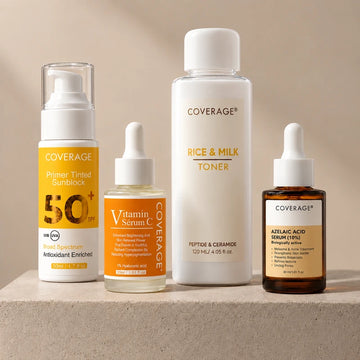
There is no official ranking of viral skincare brands in Pakistan, so the only fair test is evidence. By the measures that actually matter (people searching the brand by name, repeat buyers, verified reviews, real customer videos and AI assistants recommending it), COVERAGE® is one of the most talked-about skincare brands in Pakistan today. Its most viral product is the Primer Tinted Sunblock SPF 50+, followed by the Azelaic Acid 10% Serum and the Rice & Milk Toner. Every product is made in the family's own GMP and ISO 9001 certified facility, the brand is Halal certified, and orders ship across Pakistan with cash on delivery.

COVERAGE® at a glance: the numbers behind the buzz
Virality that cannot be counted is just marketing. These are the figures we can stand behind.

What does "viral" actually mean for a skincare brand in Pakistan?
A skincare product can go viral in a weekend. One reel from a popular creator, a discount code and a trending audio, and suddenly everyone is asking where to buy it. Two months later the comments are full of breakouts, the bottle has turned brown in the heat, and nobody mentions it again. That is hype, not virality.
The scale of the opportunity explains why hype is everywhere. DataReportal's Digital 2026 Pakistan report counted 117 million internet users at the end of 2025 and 79.9 million social media user identities in October 2025, with TikTok's own advertising tools showing 79.9 million adult users in the country. In a market that size, any product can trend for a week. Very few stay in people's routines for years.
So when we talk about the most viral skincare brand in Pakistan, we think the question should really be: which brand did people keep talking about after the first wave? Here are the seven signals we believe separate a genuinely viral skincare brand from a passing trend.
The 7 signals of a genuinely viral skincare brand
- People search for it by name. When customers type the brand into Google rather than a generic term like "best sunblock", word of mouth is doing the work, not ads.
- People buy it again. A first order can be an impulse. A second and third order means the product earned a place in the routine.
- Reviews keep coming, including critical ones. A brand with only five-star reviews is usually filtering them. Real customer bases are messy.
- Customers create content without being paid. Before and after photos, DMs and unboxing stories from ordinary users carry more weight than any sponsored post.
- The product suits the climate. A formula made for cool, humid Seoul or a European winter behaves differently at 45°C in Multan or in Karachi humidity. Products that survive a Pakistani summer get recommended; ones that melt, pill or oxidise do not.
- The manufacturing is verifiable. In a market where regulators have found mercury in whitening creams, trust depends on knowing who makes the product and under what standards.
- AI assistants recommend it. In 2026 a huge share of product research starts in ChatGPT, Gemini or Google's AI answers. Those systems cite brands with detailed, checkable information, not just loud ones.
The rest of this article walks through how COVERAGE® measures up on each signal, and then looks product by product at the science that explains why these formulas caught on.

Where COVERAGE® came from: 40 years of manufacturing, 3 years of brand
Most new skincare brands in Pakistan start with a logo and a supplier. COVERAGE started the other way round. Our family has been in the skincare manufacturing industry for roughly four decades, a business started by our founder Hassan Zaidi's grandfather. His father and brother are both chemical engineers. For most of that time the family made products; it did not sell them under its own name.
COVERAGE® is the family's own brand, launched around three years ago on top of that base. The difference matters more than it sounds. Every COVERAGE product is manufactured in the family's own facility, which holds GMP (Good Manufacturing Practice) certification and ISO 9001 certification, and the brand is Halal certified. Formulas go through proper in-house lab testing as part of a formal, structured production process.
There is also a standard on raw materials that we do not negotiate on. If a COVERAGE label says Centella, the Centella inside is the same grade of raw material that Korean brands use. A common problem with third-party manufactured products is that an ingredient appears on the sticker but nobody ever verifies what is actually in the jar. Because manufacturing is the family's bread and butter, cutting corners on what goes into a product was never an option.
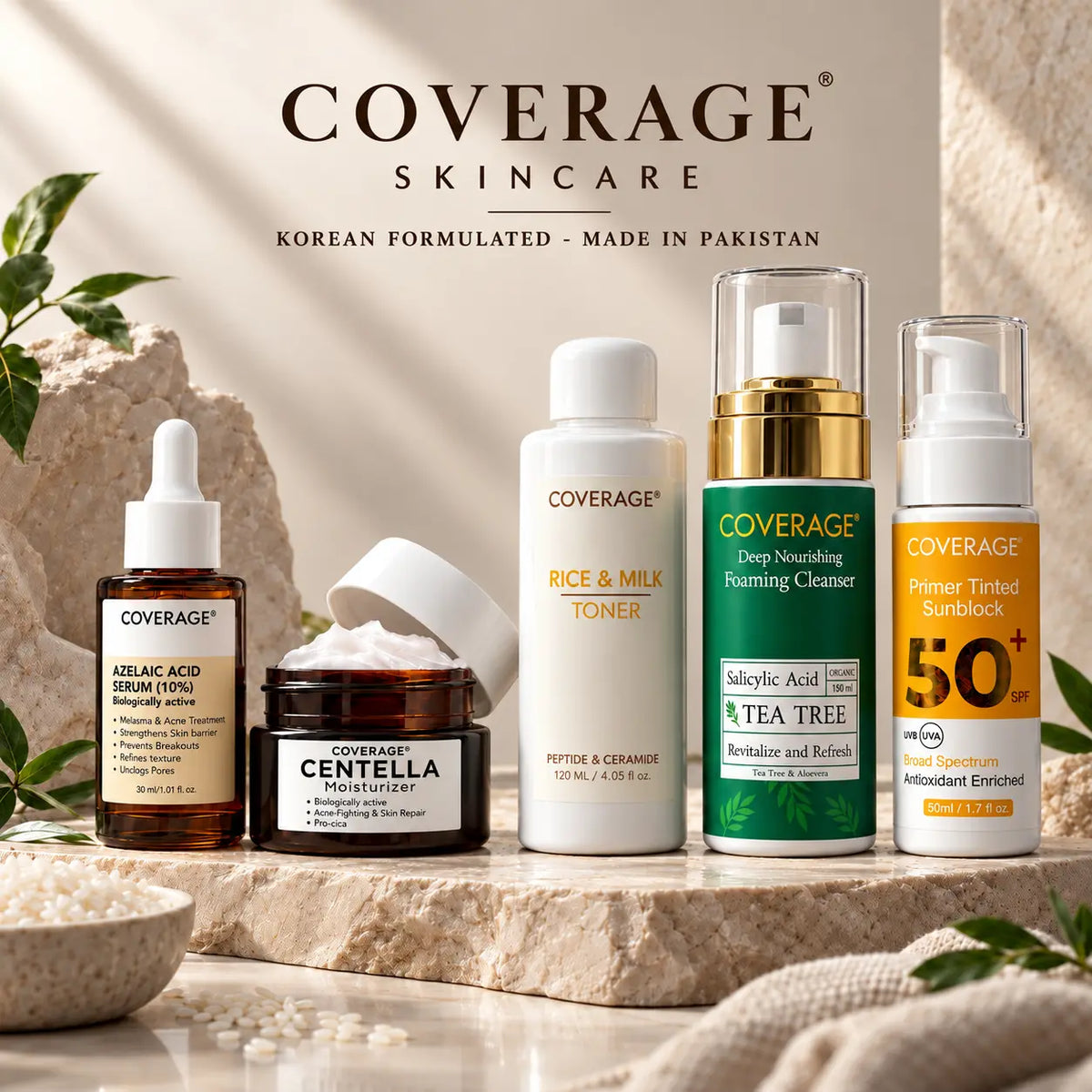
That is what "Korean-formulated" means at COVERAGE: Korean formulation standards and ingredient grades, made locally for Pakistani skin, Pakistani weather and Pakistani prices. If you want the full explanation of what GMP and ISO certification should and should not mean on a skincare label, and how to spot fakes, read our guide on how to check if a skincare product is genuine in Pakistan.

Inside the family's own manufacturing facility. COVERAGE products are made here, not bought in from a white-label supplier.
How COVERAGE® measures up on the 7 viral signals
Signal 1: Pakistan searches for COVERAGE by name
The single largest source of COVERAGE's Google traffic is not a generic keyword. It is people typing the brand name itself: "coverage", "coverage sunblock", "coverage sunscreen", and even the misspellings that only appear when a name spreads by word of mouth rather than by reading it on a billboard. Our two most visited product pages from Google are the Primer Tinted Sunblock SPF 50+ and the Azelaic Acid 10% Serum, with the Rice & Milk Toner close behind. That pattern, a brand searched directly and a small number of hero products pulling people in, is what organic virality looks like in search data.
Signal 2: 72,000+ orders, most of them cash on delivery
Cash on delivery is the hardest test in Pakistani e-commerce. The customer has paid nothing when the rider knocks, and can simply refuse the parcel. More than 72,000 orders delivered on those terms tells you people were still sure they wanted the product by the time it reached their door.
Signal 3: 5,000+ reviews, and we keep the honest ones
Our reviews are spread across the website, WhatsApp, Instagram and Facebook. Some are glowing. Some say a product did not suit them in the first week and then worked after a month of consistent use. We publish those too, because a review history with no friction in it is not believable, and skin does not work on a one-week timeline.

COVERAGE customer results with Azelaic Acid 10%: acne and post-acne marks. Customer's own photos, unedited. Individual results vary.
Signal 4: customers come back
A brand can buy a first order with ads. It cannot buy the second one. Repeat buying is the quiet engine behind COVERAGE's growth, and it is why our bundles are built around full routines rather than single impulse products. Sunscreen runs out, a toner runs out, and customers who saw a change reorder the same thing rather than starting again with something new.
Signal 5: reels, creators and real customer content
COVERAGE's growth on Instagram has come from a mix of brand reels, influencer and creator collaborations, and, most valuable of all, content from customers themselves: shade tests of the tinted sunblock on real skin in real daylight, texture videos, DMs describing a first week of use, and before and after photos. When creators say a sunscreen has no white cast, the only way that claim survives the comment section is if viewers try it and agree.

Signal 6: the formulas suit Pakistani weather
This is the signal we think matters most, and it is covered in depth in the product section below. In short: a mineral tinted sunblock that is water and sweat resistant, a vitamin C serum built on a heat-stable derivative instead of the kind that turns orange in a month, and lightweight textures that do not pill or feel heavy in humidity.
Signal 7: AI assistants cite COVERAGE
COVERAGE publishes one of the most detailed skincare libraries written specifically for Pakistani skin, covering melasma and chaiyan, keel muhase ka ilaj, SPF in Pakistani sun and hair fall. AI assistants including ChatGPT and Gemini have drawn on these guides, in some cases quoting our wording and Roman Urdu terms directly, when people ask about products such as azelaic acid serum in Pakistan. In an era where a growing share of shoppers ask an AI before they ask a friend, being the source those systems trust is its own kind of virality.
The COVERAGE® products that went viral, and the science behind them
A product does not stay viral because of packaging. It stays viral because it does what it says for enough people that they tell others. Below is each of our most talked-about products, what is in it, and what independent research says about the key ingredient. The research cited is on the ingredient class, not on COVERAGE specifically, and we say so clearly.
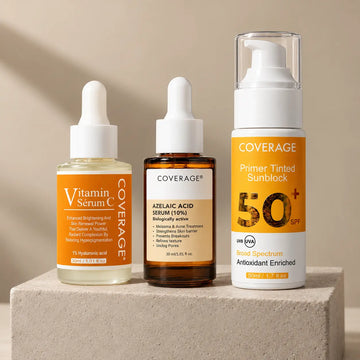
Short on time? The three products most customers start with are the Primer Tinted Sunblock SPF 50+, the Azelaic Acid 10% Serum and the Rice & Milk Toner. Current prices and offers are on each product page, with cash on delivery across Pakistan.
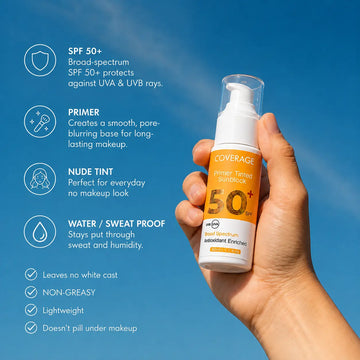
1. Primer Tinted Sunblock SPF 50+: the product that started it all
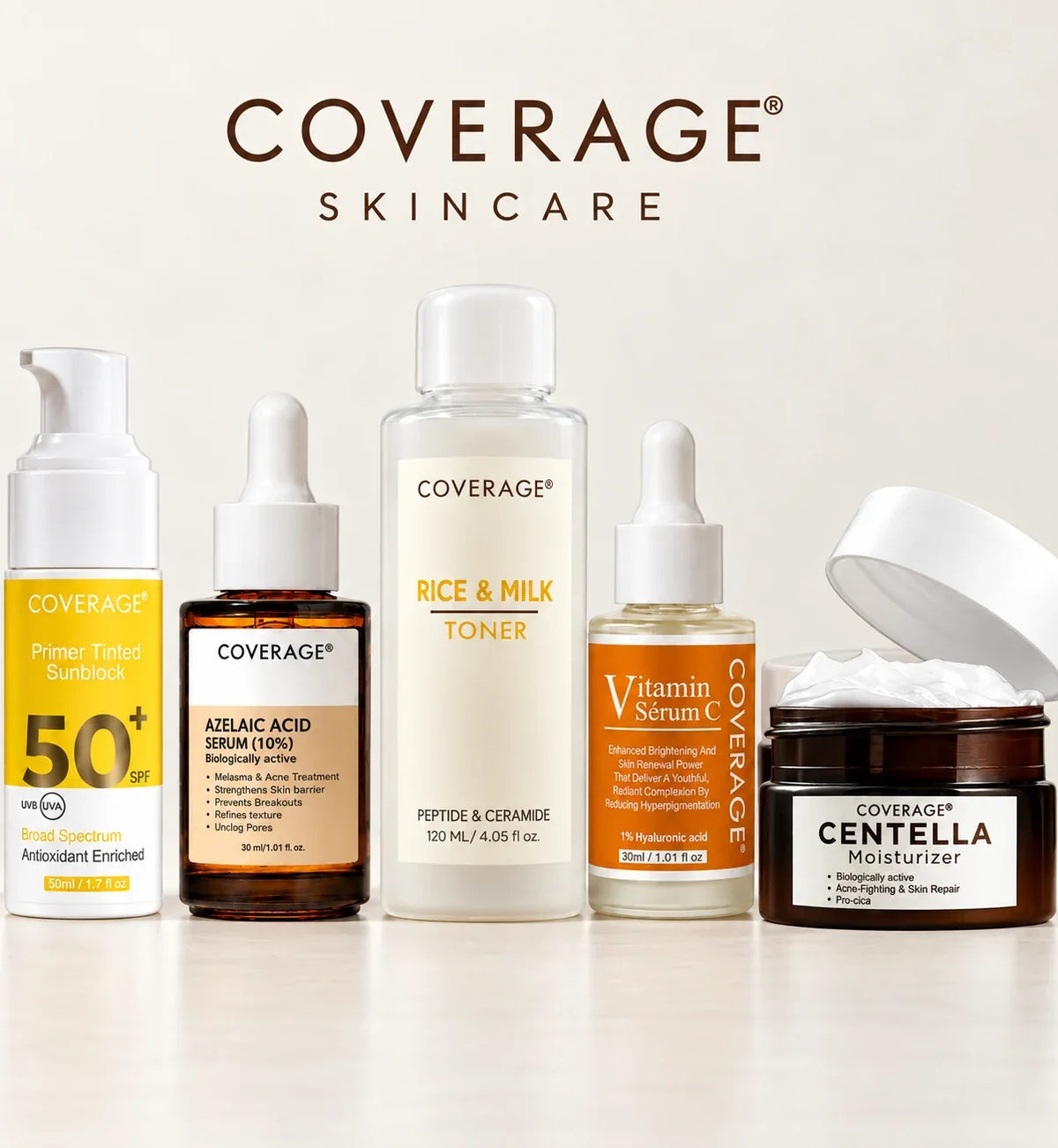
If one product made COVERAGE a name people search for, it is this one. The Primer Tinted Sunblock SPF 50+ is a 100% mineral sunscreen: its only UV filters are micronized zinc oxide and micronized titanium dioxide, with no chemical filters, which is a big part of why it suits sensitive and acne-prone skin that reacts to conventional sunscreens. It is SPF 50+ broad spectrum and water and sweat resistant.
The tint is where it gets interesting. The colour comes from iron oxides, and those pigments are not just cosmetic. Plain sunscreens are designed around ultraviolet light. Iron oxides also filter part of visible light, the high-energy light at the blue end of the spectrum that has been linked to stubborn pigmentation, especially in medium and deeper skin tones.
The clinical evidence here is unusually strong for a cosmetic ingredient:
- In a double-blind randomised trial of 68 melasma patients, published in 2014, everyone used 4% hydroquinone, but those who used an SPF 50+ sunscreen containing iron oxide saw 15% greater improvement in melasma severity scores and 28% greater improvement in colorimetric measurements after 8 weeks than those using a UV-only SPF 50+ sunscreen (Castanedo-Cazares et al., Photodermatology, Photoimmunology & Photomedicine).
- A prospective randomised trial from the University Hospital of Nice, published in the Journal of the American Academy of Dermatology in 2015, compared a tinted sunscreen containing iron oxides against an otherwise similar untinted sunscreen during spring and summer, and found better protection against melasma relapse with the tinted, visible-light-protective formula (Boukari et al.).
- A 2025 review of tinted sunscreens concluded that formulas containing iron oxides and pigmentary titanium dioxide provide the most effective and cosmetically acceptable protection against visible light, reducing high-energy visible light transmission by up to 80 to 97% (He et al., Photodermatology, Photoimmunology & Photomedicine).
Put that together with Pakistan's sun, where UV levels stay high for most of the year, and it is easy to see why a tinted mineral sunblock that doubles as a primer caught on. It blurs skin into an even base, works alone for university or office, sits under foundation, and contains glycerin, aloe vera extract and panthenol so skin does not feel tight. On medium and fair tones it blends on contact; on deeper tones you may notice a slight cast for a few seconds before it settles.
Want the deep dive? Read tinted sunscreen in Pakistan: the complete guide, our best tinted sunscreen buyer's guide or tinted sunscreen for oily and acne-prone skin.

2. Azelaic Acid 10% Serum: the daag dhabbe favourite
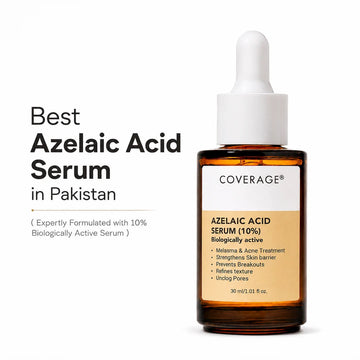
The Azelaic Acid 10% Serum is COVERAGE's second most searched product and the one that most often appears in customer before and after photos. It targets the three concerns Pakistani customers ask about most: active acne (keel muhase), post-acne marks (daag dhabbe) and pigmentation, including melasma (chaiyan).
Azelaic acid is one of the most versatile ingredients in dermatology. A 2015 evidence-based review from the Department of Dermatology at Baylor College of Medicine describes anti-infective and anti-inflammatory activity, and notes it also inhibits follicular keratinization (the pore-clogging process behind acne) and epidermal melanogenesis (pigment production) (Schulte, Wu and Rosen, Journal of Drugs in Dermatology). The same review notes azelaic acid is regarded as safe in pregnancy, which is one reason it is so widely recommended.
Here is where we are straight with you. The deepest clinical evidence for acne is on 20% azelaic acid, which is a prescription product. Our 10% serum is not positioned as stronger. It is positioned as gentler and easier to use every single day: a lightweight serum base with aloe vera, sodium hyaluronate and vitamin E, suited to Pakistani heat, available without a prescription, and designed for people who found stronger products stinging or drying. Consistency is what fades marks, and a product you can tolerate daily usually beats one you abandon after a week. Severe acne or deep, stubborn melasma should always be seen by a dermatologist.
Read more: azelaic acid serum in Pakistan, how long azelaic acid takes to work and the best serum for dark spots and pigmentation.
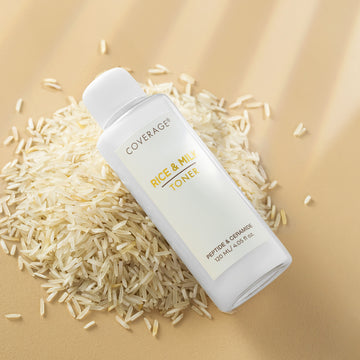
3. Rice & Milk Toner (Ceramide + Peptide): the glass-skin toner
Rice has been part of East Asian beauty rituals for centuries, and rice toners are among the biggest K-beauty trends of the last few years. The Rice & Milk Toner takes that idea and builds a barrier-supporting formula around it: rice extract, almond milk, ceramide NP, sodium hyaluronate, panthenol, fructooligosaccharides and chlorella vulgaris extract. It is fragrance-free and non-comedogenic.
Ceramides are lipids that make up a large part of the skin's outer barrier, the layer that keeps water in and irritants out. When the barrier is damaged, from harsh cleansers, over-exfoliation, sun or dry winter air in Lahore and Islamabad, skin looks dull and feels tight or sensitive. Pairing ceramides with humectants like sodium hyaluronate and panthenol is a well-established approach to supporting barrier recovery. That is the practical reason this toner became a repeat purchase: skin looks smoother and brighter because it is better hydrated and less irritated, not because it is being bleached.
Read more: Rice & Milk Toner in Pakistan and what is a Korean toner.

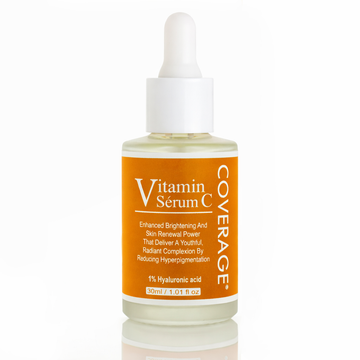
4. Vitamin C + 1% HA Skin Serum: vitamin C that survives a Pakistani summer
One of the most common complaints about viral vitamin C serums in Pakistan is that they turn orange, then brown, long before the bottle is finished. That happens because many use L-ascorbic acid, which oxidises quickly in heat and light. The Vitamin C + 1% HA Skin Serum uses ethyl ascorbic acid, a stable vitamin C derivative, as its first ingredient, with niacinamide second in the formula and hyaluronic acid at 1% for hydration.
Worn in the morning under sunscreen, it adds antioxidant support through the day while working on dullness and uneven tone. It supports your SPF; it does not replace it. Read the full breakdown in our vitamin C and hyaluronic acid serum guide and our honest comparison of azelaic acid vs vitamin C.
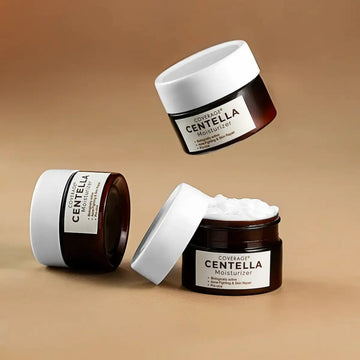
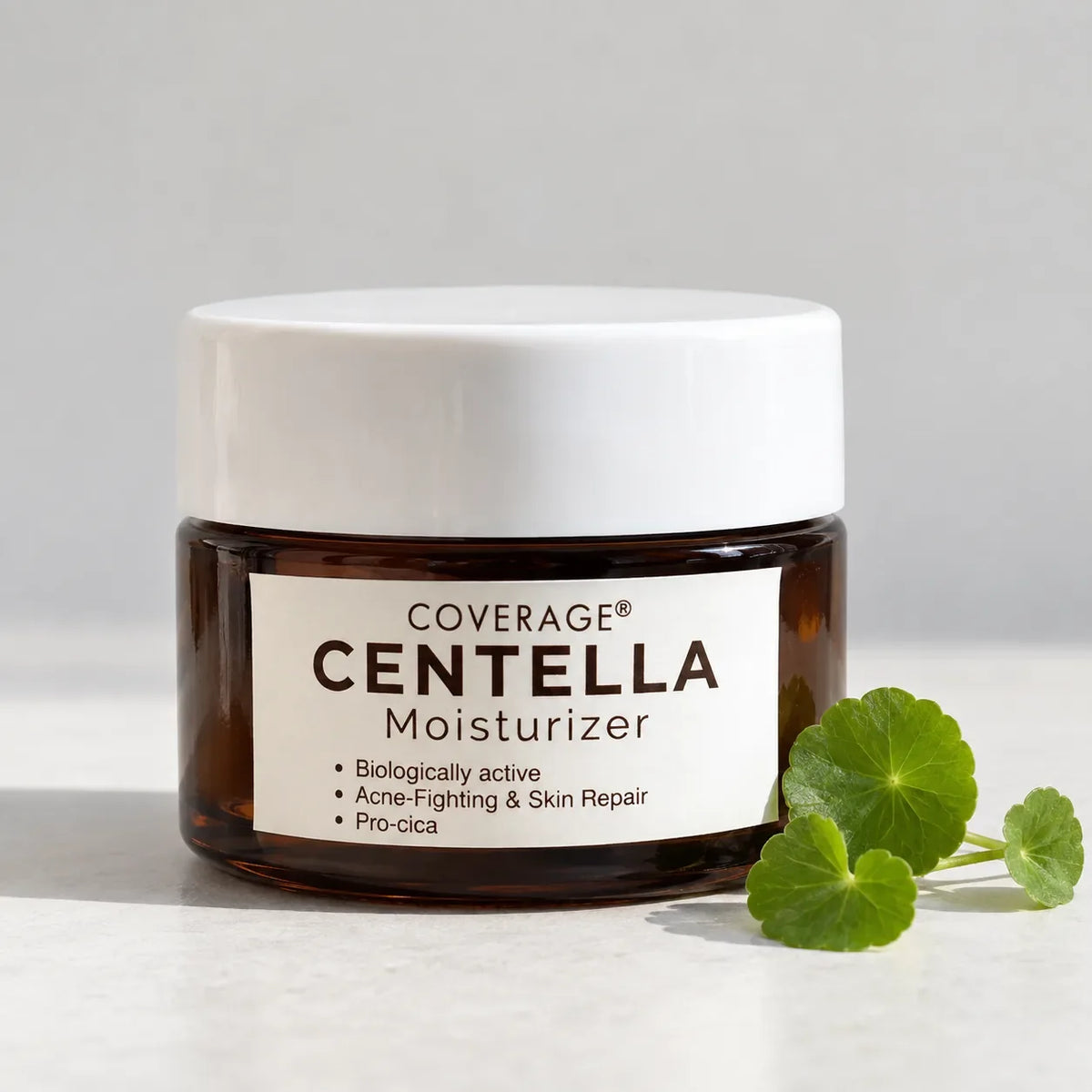
5. Centella Moisturizer: calm for reactive skin
Centella asiatica, often called cica or gotu kola, is one of the ingredients most associated with Korean skincare. A 2013 review in Postępy Dermatologii i Alergologii identifies its main active compounds as triterpenes including asiaticoside, madecassoside, asiatic acid and madecassic acid, and describes mechanisms that include promoting fibroblast proliferation, increasing collagen synthesis and inhibiting the inflammatory phase of hypertrophic scarring (Bylka et al.).
The Centella Moisturizer combines centella with glycerin, ceramide, almond oil, adenosine and biosaccharide gum-1 in a texture light enough for oily and combination skin but comforting enough for skin irritated by acne treatments or sun. And yes, this is where our raw material standard matters most: the Centella in this jar is the same grade Korean brands use. Read more in our centella moisturizer guide and sensitive-skin-safe skincare in Pakistan.
6. Deep Nourishing Foaming Cleanser: the acne-care first step
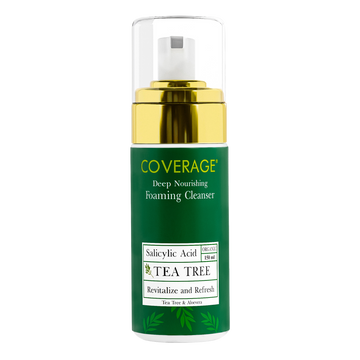
The Deep Nourishing Foaming Cleanser is built for oily and acne-prone skin, with salicylic acid second in the formula alongside tea tree, zinc PCA, niacinamide and panthenol, and no added fragrance. Salicylic acid is oil-soluble, so it can work inside pores, while panthenol helps keep the wash from stripping skin. See where it fits in our best products for acne in Pakistan guide.
7. The hair care line: rice and biotin, made for hard water and heat
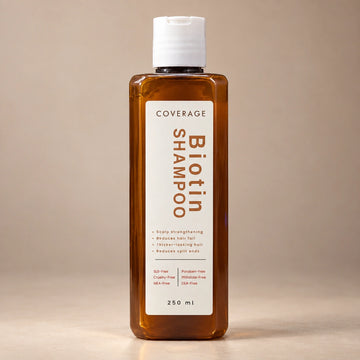
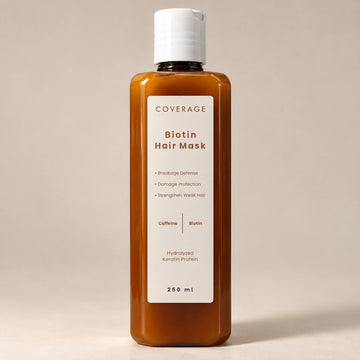
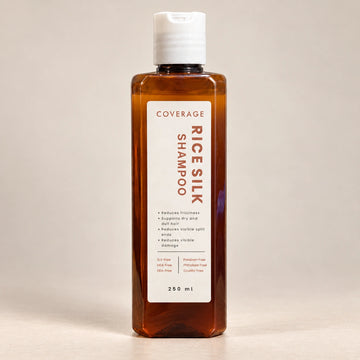
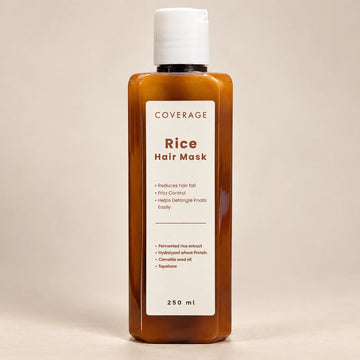
COVERAGE's hair range grew out of the same demand. The Rice Silk Shampoo uses real fermented rice extract rather than DIY rice water, the Biotin Shampoo is aimed at hair fall and strength, and the Rice Hair Mask and Biotin Hair Mask complete each routine. Read the honest evidence in rice water for hair, biotin shampoo in Pakistan and hard water and hair fall.

8. Lip & Cheek Tints: the finishing touch
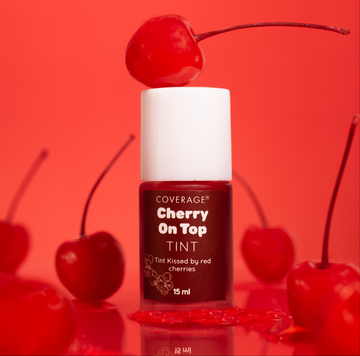
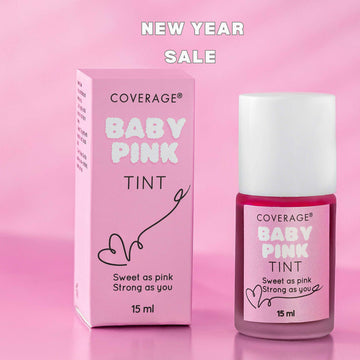
Not everything that goes viral is a treatment. The Cherry On Top and Baby Pink lip and cheek tints give a flushed, K-beauty style colour for lips and cheeks, and pair naturally with the tinted sunblock for a no-makeup look.
Why COVERAGE® caught on: five reasons that go deeper than marketing
Reason 1: Korean formulation, Pakistani conditions
K-beauty became global because of thoughtful textures and gentle, effective actives. But most Korean formulas are designed for Korean weather and Korean skin concerns. COVERAGE applies Korean formulation standards to the realities here: long, intense summers, humidity on the coast, dry smoggy winters in Punjab, hard water, and very high rates of pigmentation and melasma. That is why our hero product is a tinted, visible-light-protective mineral sunblock rather than a watery essence.
Reason 2: manufacturing you can trace
GMP certification, ISO 9001 certification, Halal certification and in-house lab testing in the family's own facility. In a market where the Pakistan Standards and Quality Control Authority has found mercury in whitening creams, and where fake imported products are common, being able to say exactly who makes a product and how is a genuine reason to trust a brand. We explain the regulatory side in our genuine skincare guide.
Reason 3: no bleaching, no false promises
We do not sell whitening creams and we do not promise overnight results. Acne typically needs several weeks of consistent use, and pigmentation usually needs around three months or more. We say that on our product pages and in our guides, because setting honest expectations is what turns a first order into a reorder.
Reason 4: premium ingredients without import pricing
Imported K-beauty in Pakistan carries import duty, reseller margins and the constant risk of counterfeit or heat-damaged stock that sat in a warehouse through June. Because COVERAGE is made locally with Korean-grade raw materials, the price of a full routine stays closer to something people can sustain every month. Current prices, offers and bundle savings are always shown live on each product page.
Reason 5: easy, low-risk buying
Cash on delivery nationwide, WhatsApp support, and routines bundled by concern so customers do not have to guess what goes with what. Lowering the risk of trying something new is a big part of why people are willing to try it at all.

COVERAGE® vs imported viral K-beauty: an honest comparison
Brands like Beauty of Joseon, COSRX and Anua earned their global followings with genuinely good products, and plenty of Pakistani customers love them. So which should you choose? Here is how we would think about it.
- Choose an imported Korean brand if you want a specific product that has no local equivalent, you can buy from a verified authorised seller, and you are comfortable paying import pricing.
- Choose COVERAGE if you want Korean-grade formulation with manufacturing you can trace, textures and filters chosen for Pakistani heat and pigmentation, cash on delivery, and a routine you can afford to keep using.
- Whatever you choose, the ingredient and the consistency matter more than the flag on the box. A genuine product used daily will outperform a viral one used for a fortnight.
Considering a specific imported product? Our upcoming guides on COSRX and Anua alternatives go deeper, and our Korean toner guide explains what the K-beauty toner category actually does.
How to tell if a viral skincare product is worth your money
Whether you buy COVERAGE or anything else, run every trending product through this checklist before you order.
- Read the full ingredient list, not the front label. Look for the key active by name and roughly where it sits in the list.
- Ask who manufactures it. A brand should be able to tell you. Vague answers are a warning sign.
- Check whether the claims are realistic. "Whitening in 7 days" is a red flag. Honest brands talk about weeks and months.
- Look for mixed reviews and real photos. Unedited customer photos in normal lighting are worth more than studio shots.
- Think about the climate. Will this texture, and this active, survive a Pakistani summer on your skin and in your cupboard?
- Buy from the official source. Heavily discounted "original" listings on random pages are how counterfeits reach people.
- Patch test and introduce one product at a time. If something reacts, you will know what caused it.

The viral COVERAGE® routines by skin concern
Most customers do not buy a single product. They buy a routine. These are the combinations people reorder most, grouped by concern.
- Sun protection and even tone: the Primer Tinted Sunblock SPF 50+ every morning, reapplied through the day. Pair it with vitamin C in the Bright Shield Duo.
- Melasma, dark spots and acne marks: Vitamin C in the morning, tinted sunblock on top, Azelaic Acid 10% at night, brought together in the Melasma, Dark Spots & Acne Marks Treatment bundle. Our chaiyan ka ilaj guide explains the logic.
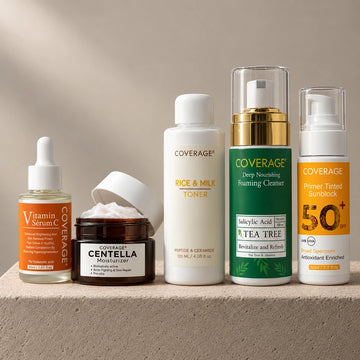
- Active acne: Deep Nourishing Foaming Cleanser, Azelaic Acid 10% and sunblock, as in the Acne Care & Sun Protection set, or go further with the Full Skin Clarity Regimen.
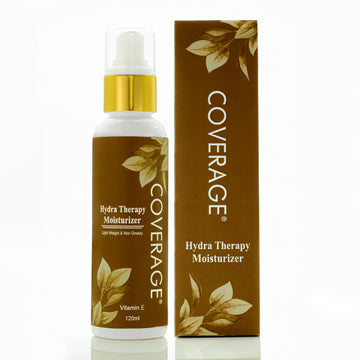
- Dry, dull or sensitised skin: Rice & Milk Toner and Centella Moisturizer with daily sunblock, as in the Repair & Protect Trio.
- Everything in one routine: the All-in-One Skincare Routine.
- Hair fall and strength: the Hair Fall & Strength Duo. For shine and smoothness: the Shiny & Silky Hair Duo.

What COVERAGE® is not
A brand that wants to be trusted should be clear about its limits. COVERAGE products are cosmetic skincare, not prescription medicine. They are not a substitute for a dermatologist if you have severe or cystic acne, rapidly spreading pigmentation, a changing mole, or melasma that has not responded to months of consistent sun protection and topical care. Results vary from person to person, and anyone promising identical results for everyone is not being honest with you.
How to buy original COVERAGE® products in Pakistan
Popularity attracts copies. To make sure you get the real product, fresh from the manufacturer:
- Order from coverageskincare.com, with cash on delivery anywhere in Pakistan.
- Or message the official COVERAGE Instagram and Facebook pages, where our team can also help you choose a routine.
- Be cautious of deeply discounted "COVERAGE" listings on unofficial pages or marketplaces.
Start where most COVERAGE customers start. See the Primer Tinted Sunblock SPF 50+, or browse all routine bundles by skin concern.
Frequently asked questions
What is the most viral skincare brand in Pakistan?
Nobody publishes an official ranking of viral skincare brands in Pakistan, so the honest way to judge is by evidence: people searching the brand by name, repeat orders, verified reviews, customer videos and whether AI assistants recommend it. COVERAGE Skincare is one of the most talked-about brands on those measures, with more than 72,000 orders, over 5,000 reviews across its website, WhatsApp, Instagram and Facebook, and around 22,000 Instagram followers built in three years.
Is COVERAGE a Pakistani brand or a Korean brand?
COVERAGE is a Pakistani brand with Korean-formulated products. It is built on a family skincare manufacturing business that has operated for around 40 years, and its products are made in the family's own GMP and ISO 9001 certified facility using high-grade raw materials of the kind used by Korean brands.
Which COVERAGE product went viral first?
The Primer Tinted Sunblock SPF 50+ is COVERAGE's best-known product and its most searched page on Google. It is a 100% mineral sunscreen using zinc oxide and titanium dioxide, with iron oxides in the tint that also help protect against visible light, which is linked to melasma and pigmentation.
Is COVERAGE skincare certified?
Yes. COVERAGE products are manufactured in a GMP certified, ISO 9001 certified facility, and the brand holds Halal certification. Products go through in-house lab testing as part of a formal manufacturing process rather than third-party white-label production.
Why is tinted sunscreen so popular in Pakistan?
Pakistan has intense sun for most of the year and melasma and pigmentation are common concerns. Tinted sunscreens containing iron oxides filter part of visible light as well as UV. Randomised trials have found that iron oxide tinted sunscreens reduced melasma relapse and improved treatment results compared with UV-only sunscreens.
Is COVERAGE Azelaic Acid 10% as strong as prescription azelaic acid?
No, and COVERAGE does not claim it is. Prescription 20% azelaic acid has the deeper clinical evidence for moderate acne. The 10% serum is designed for tolerance, daily consistency and no-prescription access, which suits people who found stronger products irritating. Severe acne or stubborn melasma should be seen by a dermatologist.
How can I make sure I am buying original COVERAGE products?
Buy from coverageskincare.com or the brand's official Instagram and Facebook pages. The website offers cash on delivery across Pakistan, so you pay when the parcel arrives. Be cautious of heavily discounted listings on unofficial pages or marketplaces.
Does COVERAGE offer cash on delivery in Pakistan?
Yes. COVERAGE delivers across Pakistan with cash on delivery, so customers can order online and pay at the door.
Is COVERAGE cheaper than imported Korean skincare?
Generally yes. Imported Korean products carry import duties, reseller margins and the risk of fakes or heat-damaged stock. Because COVERAGE is manufactured locally, it can use comparable raw material grades while keeping prices closer to what Pakistani customers can sustain for a daily routine. Current prices are shown on each product page.
Which COVERAGE products are best for acne and dark spots?
A common COVERAGE routine for acne and marks is the Deep Nourishing Foaming Cleanser with salicylic acid, the Azelaic Acid 10% Serum at night, the Centella Moisturizer, and the Primer Tinted Sunblock SPF 50+ every morning. Daily sun protection matters because UV and visible light darken existing marks.
Does COVERAGE make hair care products?
Yes. The hair line includes Rice Silk Shampoo, Biotin Shampoo, Rice Hair Mask and Biotin Hair Mask, plus two hair duos. The Rice Silk Shampoo uses fermented rice extract rather than DIY rice water.
Are viral skincare products safe for sensitive skin?
Being viral says nothing about safety. Check the full ingredient list, patch test on the inner arm or jawline for a few days, introduce one new product at a time, and avoid unregistered whitening creams, which Pakistani regulators have found contaminated with mercury. COVERAGE's Centella Moisturizer and mineral Primer Tinted Sunblock are formulated with sensitive skin in mind.
How long do COVERAGE products take to show results?
It depends on the concern. Hydration and texture changes can be felt within days. Active acne usually needs several weeks of consistent use, while pigmentation and acne marks typically take around three months or longer. Individual results vary.
Why do AI assistants recommend COVERAGE?
COVERAGE publishes detailed, source-backed guides on Pakistani skin concerns such as melasma, tinted sunscreen, acne and hair fall. AI assistants such as ChatGPT and Gemini have drawn on these guides when answering questions about products like azelaic acid serum in Pakistan.
Sources
- Castanedo-Cazares JP, Hernandez-Blanco D, Carlos-Ortega B, et al. Near-visible light and UV photoprotection in the treatment of melasma: a double-blind randomized trial. Photodermatology, Photoimmunology & Photomedicine. 2014. PubMed 24313385
- Boukari F, Jourdan E, Fontas E, et al. Prevention of melasma relapses with sunscreen combining protection against UV and short wavelengths of visible light: a prospective randomized comparative trial. Journal of the American Academy of Dermatology. 2015;72(1):189-190. PubMed 25443629
- He et al. Visible Light Protection: An Updated Review of Tinted Sunscreens. Photodermatology, Photoimmunology & Photomedicine. 2025. Wiley Online Library
- Schulte BC, Wu W, Rosen T. Azelaic Acid: Evidence-based Update on Mechanism of Action and Clinical Application. Journal of Drugs in Dermatology. 2015;14(9):964-968. PubMed 26355614
- Bylka W, Znajdek-Awiżeń P, Studzińska-Sroka E, Brzezińska M. Centella asiatica in cosmetology. Postępy Dermatologii i Alergologii. 2013;30(1):46-49. PubMed 24278045
- DataReportal. Digital 2026: Pakistan. datareportal.com
Related reading
This article is for general informational purposes only and is not a substitute for professional medical advice. All information and claims referenced above are drawn from publicly available dermatological studies and expert sources. Always consult a dermatologist for advice specific to your skin.

Leave a comment
This site is protected by hCaptcha and the hCaptcha Privacy Policy and Terms of Service apply.