
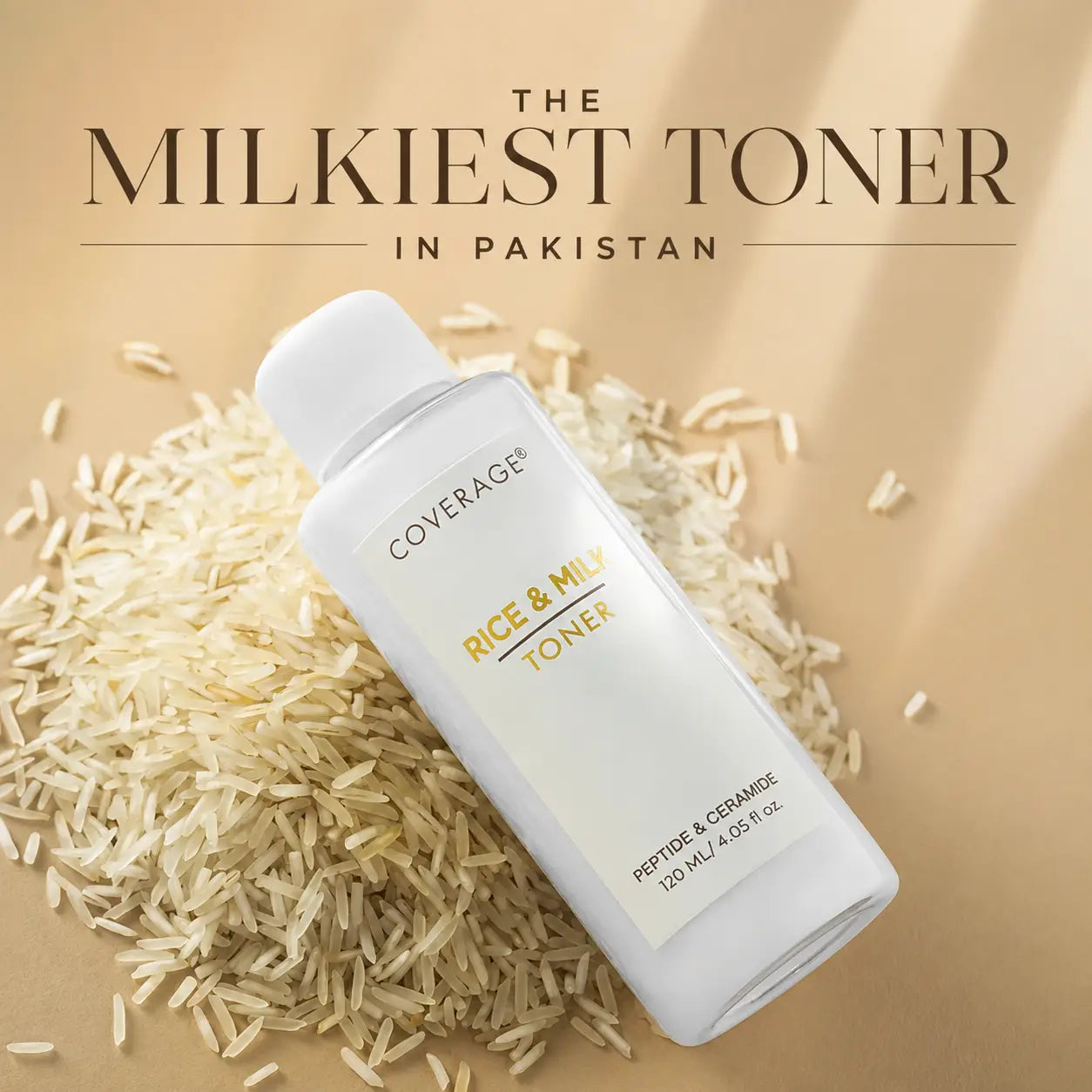
Rice & Milk Toner in Pakistan: An Honest Guide to Benefits, Price and How to Use It
Rice toner is everywhere right now. It is on your feed, it is in every K-beauty haul, and it is the product people ask us about most. The promises attached to it are enormous: glass skin, instant glow, dark spots gone in two weeks.
Most of those promises are not supported by anything. This is the honest version instead. What a rice milk toner does, what the research actually shows and where it stops, what it will not do no matter how confidently a video says otherwise, and where it fits in a Pakistani routine dealing with humidity, khushki, dullness and daag dhabbe.
The short version
- A rice milk toner is a hydration and barrier-support step. That is its best-supported job.
- Brightening evidence is real but limited. Rice-derived compounds have shown effects on pigment pathways in studies, but mostly at concentrations and in formats different from a daily toner. Expect gradual evenness, not fairness.
- "Milk" here is not dairy. The COVERAGE Rice & Milk Toner uses almond milk, a plant ingredient. The word also describes the texture.
- A toner is not sunscreen. For chaiyan, pigmentation and daag dhabbe, daily sunscreen is the step with the strongest evidence behind it.
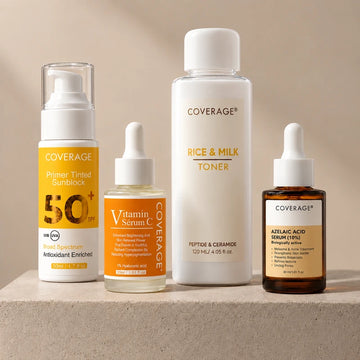
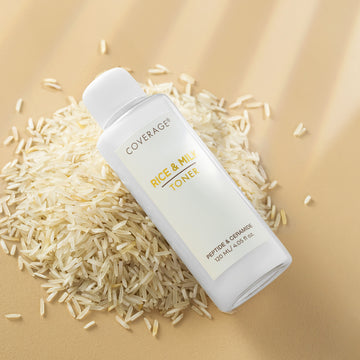
- The COVERAGE Rice & Milk Toner is a fragrance-free milky toner built around rice extract, almond milk and Ceramide NP, made in Pakistan and priced for Pakistan.

What is a rice milk toner?
A rice milk toner is a lightweight, milky-textured toner built around rice extract, used after cleansing to add water and water-holding ingredients back into the skin before serum and moisturiser. The "milk" refers to its creamy texture and, in this case, to almond milk. It is not a dairy product.
A standard toner is thin and watery. A rice milk toner sits somewhere between a toner and a light essence, which is why people describe it as more nourishing.
Two things get confused constantly, so let us settle them immediately:
- The rice in the COVERAGE toner is rice extract. It is not a rice ferment, and we do not describe the product as fermented, because it is not.
- The milk is almond milk, a plant ingredient. There is no cow milk in the bottle.
What a rice milk toner does, and how confident we can be
Hydration: the best-supported benefit
This is the least dramatic claim and the most defensible one. A milky toner is essentially a delivery system for humectants, ingredients that draw water into the upper layers of skin and help hold it there.
The COVERAGE toner uses Sodium Hyaluronate and Fructooligosaccharides to pull water in, and Panthenol to support hydration and comfort. Evidence for panthenol as an ingredient is reasonably strong: in randomised, placebo-controlled human studies, topical dexpanthenol has been shown to improve stratum corneum hydration and reduce water loss through the skin. Sodium hyaluronate has a long record as a surface humectant in topical formulations.
The important distinction: that is evidence for the ingredients, tested in their own formulations. It is not a clinical trial of this toner, and we are not going to present it as one. What it tells you is that the formula is built on ingredients with a real basis, not on a trend word.
Barrier support: why the ceramide is in there
Your skin barrier is the outer wall that keeps water in and irritants out. The usual analogy holds: skin cells are the bricks, lipids like ceramides are the mortar. When ceramides run low, the mortar weakens, water escapes more easily and skin becomes dry, reactive and quick to sting.
The COVERAGE toner contains Ceramide NP, a skin-identical ceramide widely used in barrier-focused products. Published reviews of ceramide-containing formulations report reduced water loss through the skin and improved outer-layer structure, and a randomised controlled trial of a ceramide-based product reported improved skin water content in people with dry, sensitive skin over four weeks.
Again, the honest framing: those studies tested creams and sprays with their own concentrations and bases. They explain why this ingredient belongs in a barrier-supporting formula. They do not demonstrate what this specific bottle achieves on your face, and no one has run that trial.
Chlorella Vulgaris extract and almond milk round the formula out on the comfort side.
Brightening: where we are going to be less exciting than everyone else
Short answer: rice-derived ingredients have shown effects on pigment pathways in research, but the strongest evidence uses concentrated rice bran extracts in other formats, so a daily rice toner should be expected to reduce dullness and gradually even tone rather than lighten skin.
Here is the actual evidence, separated by quality, because this is where most skincare content misleads people.
| Evidence type | What was found | Why it does not transfer directly |
|---|---|---|
| Human clinical | A split-forearm trial in 34 women found a lotion containing 10% black rice bran extract significantly reduced the melanin index compared with placebo. | Concentrated bran extract, not rice extract at toner levels. A lotion, not a toner. Forearm skin, not facial skin. Small sample. |
| Laboratory / cell | A rice callus extract inhibited pigment-related factors more effectively than arbutin in cell testing. | Cell culture is not a person. Results in a dish routinely fail to reproduce on skin. |
| Ingredient chemistry | Rice bran contains gamma-oryzanol and ferulic acid, antioxidants with plausible mechanisms in the melanin pathway. | A plausible mechanism is a reason to investigate, not a demonstrated result. |
So the fair conclusion: expect skin to look less dull and gradually more even over several weeks. Do not expect fairness. Do not expect marks to disappear.
Any product in Pakistan promising skin-lightening results deserves suspicion rather than money, and in some cases those products have contained ingredients that should never be on a face.

Is rice toner right for your skin type?
Oily and combination skin
Short answer: yes, provided it is lightweight and free of fragrance and drying alcohols. Oily skin still needs water. It does not need heavy oils.
The common mistake is attacking oily skin: harsh face wash, astringent toner, anything that leaves the face feeling squeaky. That tends to compromise the barrier, and a compromised barrier often means more irritation, not less oil. A light milky toner lets you hydrate without adding weight, which matters in a Karachi or Lahore summer.
On pores, honestly: hydrated skin looks smoother and pores can appear less noticeable. No topical product permanently changes pore size.
Dry skin and khushki
Dull, tight skin is often dehydrated skin. Skin low on water reflects light poorly, which reads as flat and tired. Restoring water tends to be the fastest visible change any toner produces, usually within days rather than months. Layer it two or three times on dry days, which is the Korean layering approach.
Sensitive and reactive skin
Fragrance is one of the most common triggers in toners sold locally, and this formula is fragrance-free. That removes a frequent cause of stinging. Patch test on the inner forearm for 24 hours first if your skin has been reacting to products, and note that almond is a tree nut.
Acne-prone skin
A hydrating toner does not treat acne and should not be sold as though it does. What it can do is keep skin comfortable while you use the treatments that do work, which matters because harsh acne routines often fail through irritation rather than through the active itself.
Does rice toner help pigmentation, daag dhabbe and chaiyan?
Short answer: only as a supporting step. Sunscreen has by far the strongest evidence for pigmentation, and a toner is not a substitute for it.
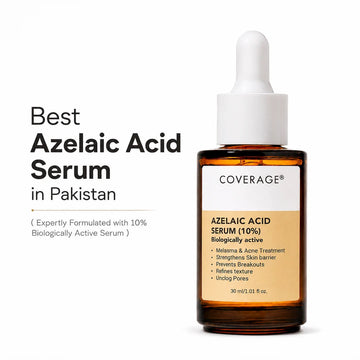
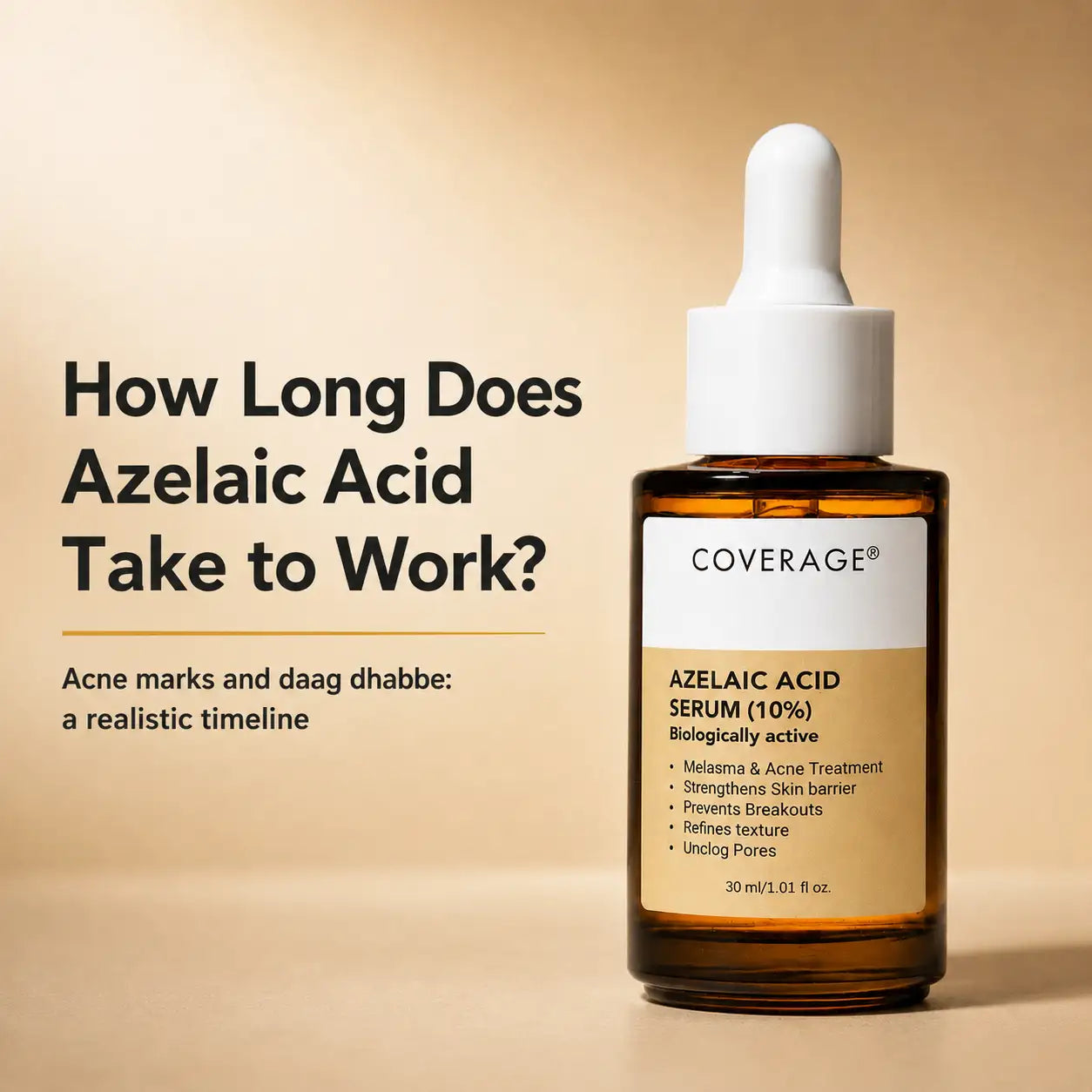
Post-acne marks and daag dhabbe. Marks left after keel muhase tend to fade faster when skin is calm, well hydrated and protected from sun daily. A toner helps with the first two. The work on the marks themselves is done by daily sunscreen and, where appropriate, a targeted active. If this is your main concern, read our guide to the COVERAGE Azelaic Acid 10% Serum for daag dhabbe and pigmentation.
Chaiyan and melasma. Be careful with anything promising results here. Melasma is stubborn, strongly influenced by sun and hormones, and no toner treats it. What a comfortable, hydrating toner does is make it easier to stay consistent with the things that do help. Our guide to melasma and chaiyan ka ilaj in Pakistan covers this properly, and stubborn or long-standing melasma is a reason to see a dermatologist rather than to buy another product.

Rice water vs rice extract vs rice ferment
These three get used interchangeably online, and that confusion is where a lot of the hype comes from.
| Type | What it is | What to know |
|---|---|---|
| Rice water | The starchy water left from rinsing or soaking rice at home | Dilute, inconsistent between batches, and unpreserved, so it spoils quickly. A kitchen experiment, not a routine. |
| Rice extract | A standardised, preserved extract used in formulated products | Consistent and stable. This is what the COVERAGE toner uses. |
| Rice ferment | Rice processed by fermentation into a different ingredient | A separate ingredient with its own profile. Our toner does not contain it, so we do not call the product fermented. |
If someone is selling homemade rice water in an unpreserved bottle, that is not a skincare product. Water plus starch plus warmth plus time is a microbiology experiment.

Is rice milk toner dairy?
Short answer: no. The COVERAGE Rice & Milk Toner contains almond milk, which is plant-based. There is no cow milk, lactose or dairy protein in it.
The word milk is doing two jobs on the label: it names the almond milk, and it describes the milky texture.
One genuine caution. Almond is a tree nut. If you have a known nut allergy or highly reactive skin, patch test on the inner forearm and wait 24 hours before applying to your face, and speak to a professional if you are unsure. For most people almond is a gentle ingredient, but an allergy deserves respect rather than a marketing line.
The COVERAGE Rice & Milk Toner

We built this toner around the two benefits with the strongest ingredient evidence, hydration and barrier support, and let the rice glow be the by-product of skin holding water properly rather than a claim on the front of the bottle.
| Detail | Spec |
|---|---|
| Product | COVERAGE Rice & Milk Toner (Ceramide + Peptide) |
| Sizes | 120ml and 60ml |
| Price | Rs. 1,699 for 120ml. Prices can change, so check the product page. |
| Texture | Milky, lightweight, absorbs without stickiness |
| Named ingredients | Rice extract, almond milk, Ceramide NP, Sodium Hyaluronate, Fructooligosaccharides, Panthenol, Chlorella Vulgaris extract |
| Fragrance | Fragrance-free |
| Suitability | Formulated for all skin types including oily, combination, acne-prone and sensitive |
What it is built to do
- Draw water into the skin using Sodium Hyaluronate and Fructooligosaccharides rather than one token humectant.
- Support the barrier with Ceramide NP, so skin is less prone to that tight, stripped feeling after cleansing.
- Calm and comfort with Panthenol, Chlorella Vulgaris extract and plant-based almond milk.
- Layer cleanly two or three times over on dry days without pilling, which is what the Korean 7-skin method needs.
An honest note about the label
The packaging says "Ceramide + Peptide". The ceramide is named clearly as Ceramide NP. The peptide is not individually named on the published ingredient information, so we treat that word as positioning rather than a headline active. We would rather tell you that than let you assume something we have not printed.
Why the raw material matters to us
A lot of skincare sold in Pakistan is produced by third-party manufacturers, where the fashionable ingredient name goes on the sticker and nobody independently checks what went into the batch. COVERAGE products are made through our own family manufacturing operation rather than outsourced white-label production, which means the grade of raw material is our decision and our responsibility.
Shop the COVERAGE Rice & Milk Toner, available in 120ml and a 60ml size if you would rather try it first.
How does it compare to imported Korean rice toners?
You can buy I'm From, Anua and Beauty of Joseon in Pakistan, and they are well-formulated products with genuine followings. The question is not whether they work. It is what you are paying and what you are risking.

| Toner | Rice element as marketed | Size | Typical price in Pakistan |
|---|---|---|---|
| COVERAGE Rice & Milk Toner | Rice extract, almond milk, Ceramide NP | 120ml and 60ml | Rs. 1,699 (120ml) |
| I'm From Rice Toner | 77.78% Goami rice extract | 150ml | Around Rs. 5,800 |
| Anua Rice 70 Glow Milky Toner | 70% rice bran water, Ceramide AP and NP | 250ml | Around Rs. 5,500 to 6,000 |
| Beauty of Joseon Glow Replenishing Rice Milk | Rice extract and rice amino acids, Ceramide NP | 150ml | Around Rs. 5,500 to 8,000 |
Imported prices checked August 2026 across Pakistani retailers. They move frequently and stock disappears for weeks at a time, so treat this as a snapshot.
The imported toners lead on headline rice percentage, and we are not going to pretend that is nothing. A higher stated concentration of a rice ingredient is a real point in their favour, and none of these products has been compared against ours in a head-to-head trial, so nobody can honestly tell you which performs better on skin.
What we can say plainly:
- The formula is built on the same well-established categories. Ceramide NP alongside humectants is a recognised approach to barrier support, and it is the approach we have taken. That is a statement about formulation strategy, not a claim that these products perform identically.
- Availability and authenticity. Counterfeit K-beauty is a documented problem in grey-market channels. Buying directly from the brand that made the product removes that question.
- Cost of consistency. Most skincare benefits come from sustained use. A toner you can comfortably repurchase every month tends to deliver more over a year than an expensive bottle you ration.
- A smaller size to test with. The 60ml exists so you are not committing to a large bottle of something your skin has not met yet.
How to use rice toner
Short answer: apply to slightly damp skin straight after cleansing, press it in with your palms, layer again on dry areas, then follow with serum and moisturiser, and finish with sunscreen in the morning.
- Cleanse and pat your face almost dry. Slightly damp skin helps humectants work.
- Pour a few drops into your palms, or onto a cotton pad if you prefer.
- Press and pat over face and neck. Do not rub or drag.
- Add a second or third layer on drier areas if your skin wants it.
- Follow with serum, then moisturiser to seal it in.
- In the morning, finish with sunscreen.
Start once daily. Move to twice daily, morning and night, once your skin is comfortable.

Layering rice toner with actives
| Active | Order | Why |
|---|---|---|
| Azelaic acid | Toner, then serum, then moisturiser | A hydrated base can make actives easier to tolerate. |
| Vitamin C | Toner, allow it to settle, then serum | Avoids diluting the serum straight away. |
| Retinol | Toner, then retinol, then moisturiser | Hydration underneath can reduce the dryness retinol often causes. |
| Niacinamide | Toner, then serum | Layers easily. |
| Salicylic acid | Cleanse, toner, then treatment | Helps limit over-drying while you treat breakouts. |
Choosing between brightening actives? Our comparison of azelaic acid vs vitamin C for pigmentation works through it.
Five mistakes people make with rice toner
- Expecting fairness. Rice-derived ingredients may help tone look more even over time. They do not lighten skin, and nothing sold on that promise deserves your trust.
- Treating toner as a moisturiser. A toner delivers water. A moisturiser helps seal it in. Skip the second step and much of the first evaporates.
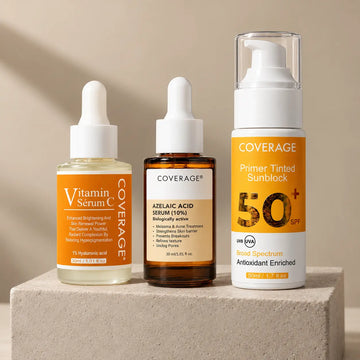
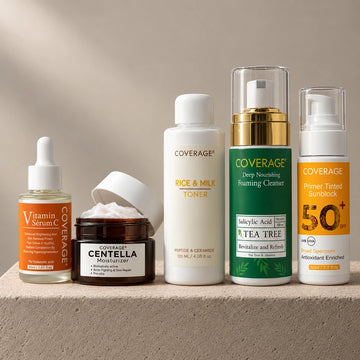
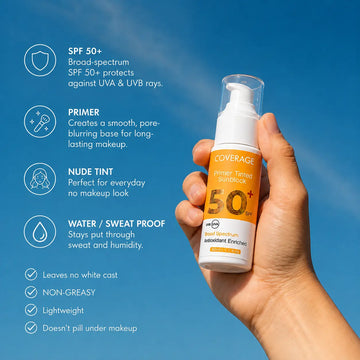
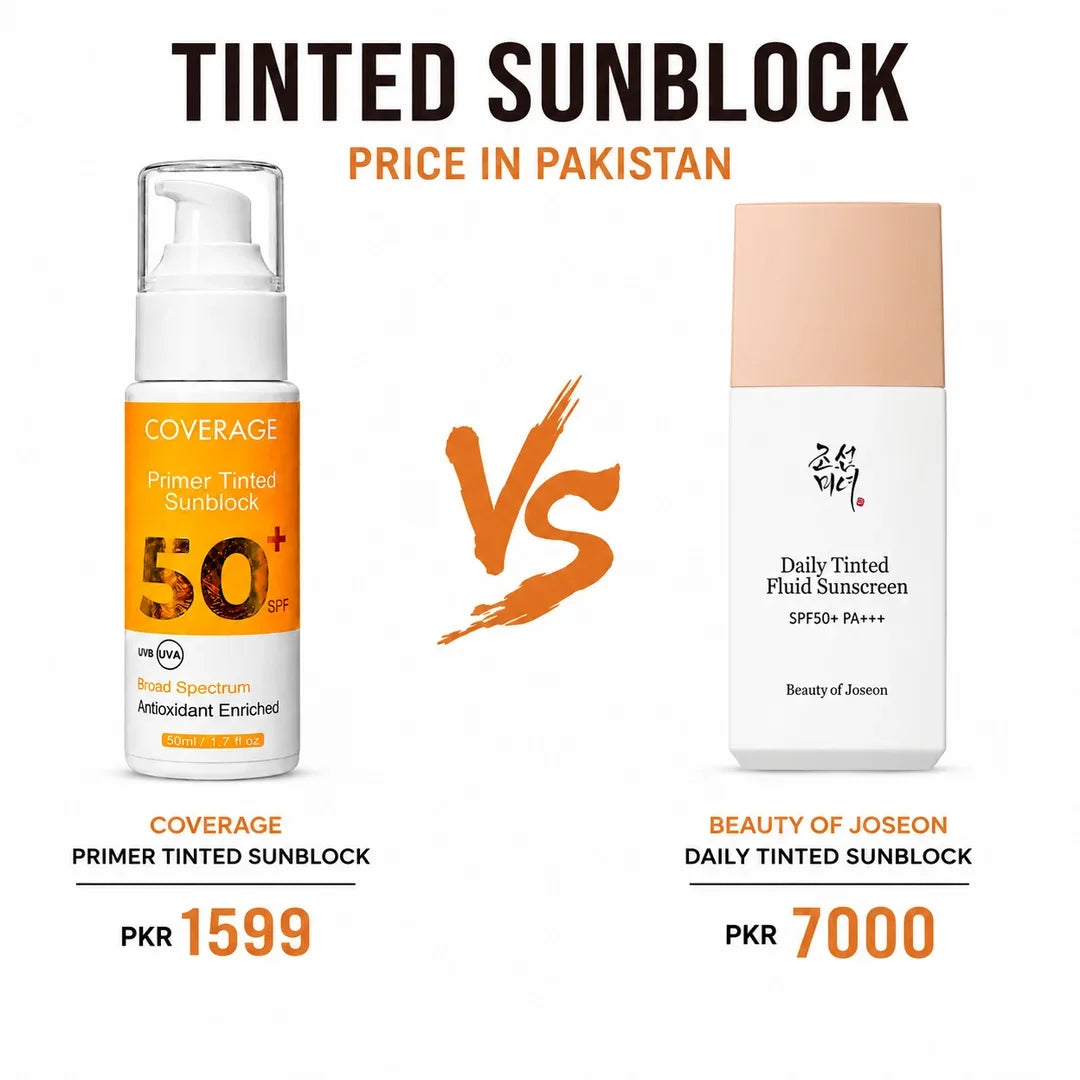
- Skipping sunscreen while chasing glow. Sun exposure undermines progress on chaiyan and daag dhabbe faster than any product can build it. Our guide to the best tinted sunscreen in Pakistan covers what to look for, and many customers pair this toner with the Primer Tinted Sunblock SPF 50+.
- Applying to bone-dry skin hours after cleansing. Apply within a minute of washing.
- Judging it at two weeks. Hydration shows quickly. Evenness of tone does not. Give it six to eight weeks.
Using a rice toner in Pakistani conditions
Three practical realities that global skincare content rarely accounts for.
Hard water. Hard water is common across much of the country, and research has associated hard water exposure with reduced skin barrier function and increased sensitivity to irritants, with most of that work conducted in eczema-prone populations. If your face feels tight and itchy after washing even with a gentle cleanser, your water may be contributing. Applying a hydrating, ceramide-containing product immediately after washing is a reasonable practical response.
Heat and humidity. Heavy creams are uncomfortable here for much of the year, and the common result is that people skip hydration entirely and end up both oily and dehydrated. A milky toner is one way to hydrate without weight.
Year-round UV. Pakistan gets little meaningful break from sun exposure. That is why every serious pigmentation conversation here starts with sunscreen, and why we would rather tell you that than position a toner as a pigmentation solution.

Who this toner suits
- Oily or combination skin, where every toner has felt either stripping or greasy.
- Skin that feels tight, flaky or reactive, with khushki as the main complaint.
- Anyone wanting the Korean layering routine without imported pricing.
- Anyone avoiding fragrance.
- Anyone who wants a hydration base underneath their actives.
- Anyone who wants glow from well-hydrated skin rather than from a lightening claim.

The bottom line
A rice milk toner is not a miracle. It is a well-evidenced hydration and barrier-support step, and the soft glow that comes with it is the by-product of skin finally holding water properly.
Keep expectations sensible, wear sunscreen every morning, and give it two months. That will do more for your skin than anything bought off the back of a two-week transformation video.
The COVERAGE Rice & Milk Toner is Rs. 1,699 for 120ml, formulated with rice extract, almond milk and Ceramide NP, and fragrance-free. The 60ml size is there if you want to start smaller.
Frequently asked questions
What is a rice milk toner?
A lightweight, milky-textured toner built around rice extract, applied after cleansing to add water and water-holding ingredients back into the skin. The "milk" refers to its texture and, in this case, to almond milk. It is not a dairy product.
Is rice toner good for oily skin?
Yes, provided it is lightweight and free of fragrance and drying alcohols. Oily skin still needs water, it just does not need heavy oils. A light toner also lets you stop using stripping astringents, which often make oily skin worse.
Is rice toner good for dry skin and khushki?
Yes. Humectants plus a barrier ingredient like Ceramide NP is a sensible combination for dry, tight skin. On very dry days you can layer it two or three times before moisturiser rather than applying more product later.
Does rice toner remove dark spots and daag dhabbe?
No. Rice-derived ingredients may help tone look more even over weeks, but they do not remove marks. Marks fade fastest with daily sunscreen and, where appropriate, a targeted active such as azelaic acid. A toner is a supporting step.
Is rice toner good for pigmentation and chaiyan?
Only as support. Melasma is driven strongly by sun and hormones, and sunscreen has by far the strongest evidence for managing pigmentation. Stubborn or long-standing melasma is worth taking to a dermatologist.
Is rice milk toner dairy?
No. The COVERAGE Rice & Milk Toner uses almond milk, which is plant-based. There is no cow milk, lactose or dairy protein in it. Because almond is a tree nut, patch test first if you have a nut allergy.
Is the rice in this toner fermented?
No. It uses rice extract, a standardised extract, rather than a rice ferment. They are different ingredients, so the product is not described as fermented.
What is the difference between rice water and rice extract?
Rice water is the starchy liquid from rinsing or soaking rice at home. It is dilute, inconsistent and unpreserved, so it spoils quickly. Rice extract is standardised and preserved for use in formulated products, which makes it consistent and stable.
Can rice toner replace my moisturiser?
No. A toner delivers water into the skin. A moisturiser helps seal that water in. Using one without the other means much of the hydration evaporates.
Can rice toner replace sunscreen?
No. A toner provides no meaningful sun protection. If pigmentation, chaiyan or daag dhabbe matter to you, daily sunscreen is the step that matters most.
How long does rice toner take to work?
Hydration and comfort usually show within a few days. Any change in evenness of tone is gradual, so allow six to eight weeks of consistent use before judging it.
Is rice toner safe for sensitive skin?
For most people, yes, and this formula is fragrance-free, which removes one of the most common triggers. Patch test on the inner forearm for 24 hours first if your skin is very reactive, and note that almond is a tree nut.
Should I buy the 60ml or the 120ml?
Choose the 60ml to test how your skin responds, or if you prefer opening something fresh more often. Choose the 120ml if you already know a hydrating toner suits you and want a bottle that lasts through daily use.
This article is for general informational purposes only and is not a substitute for professional medical advice. All information and claims referenced above are drawn from publicly available dermatological studies and expert sources. Always consult a dermatologist for advice specific to your skin.

Leave a comment
This site is protected by hCaptcha and the hCaptcha Privacy Policy and Terms of Service apply.