
Best Shampoo for Hair Fall in Pakistan: What Actually Works?
If you're searching for the best shampoo for hair fall in Pakistan, the honest answer is this: there is no single shampoo that's best for every type of hair fall (baal jharna). A shampoo can cleanse the scalp, manage dandruff, reduce buildup and cut down on breakage, but it can't correct every underlying cause of hair loss. The right choice depends on why you're actually seeing more hair in your brush, in the shower or on your pillow.
Someone with dandruff needs an anti-dandruff shampoo. Someone with hard-water buildup needs a clarifying approach. Someone whose hair snaps from heat styling or colouring needs a completely different strategy. And someone with progressive thinning needs a dermatologist, not another bottle.
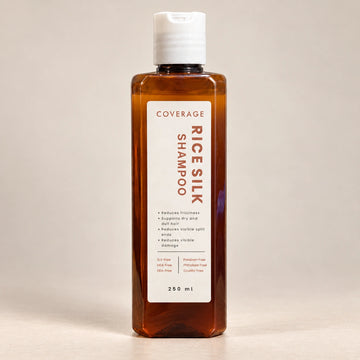
Not sure which one is right for you? COVERAGE's hair line is built around this exact problem. Biotin Shampoo is formulated for hair fall and thinning, and Rice Silk Shampoo is built for breakage, frizz and manageability. Both are sulphate-free and made at our own GMP-certified facility. See the full hair range →
Quick Answer: Which Shampoo for Your Problem?
| Your main problem | Shampoo approach | Where COVERAGE fits |
|---|---|---|
| Dandruff, flakes, itchy scalp | Medicated anti-dandruff shampoo | Not our lane. See a pharmacist for an antifungal option. |
| Hair fall (baal jharna), thinning | Gentle cleanser + scalp-care routine | Biotin Shampoo + Biotin Hair Mask |
| Hard-water buildup, rough hair | Chelating or clarifying approach | See our Hard Water & Hair Fall guide |
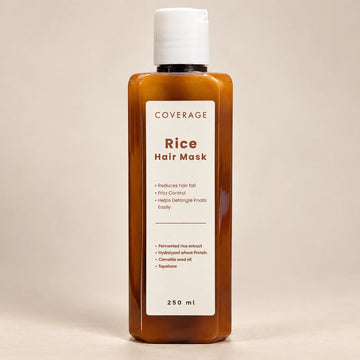
| Breakage, frizz, dryness | Gentle cleanse + conditioning ingredients | Rice Silk Shampoo + Rice Hair Mask |
| Gradual thinning, bald patches | Scalp hygiene only | Dermatologist first. No shampoo overrides this. |

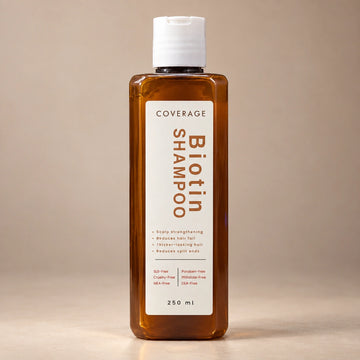
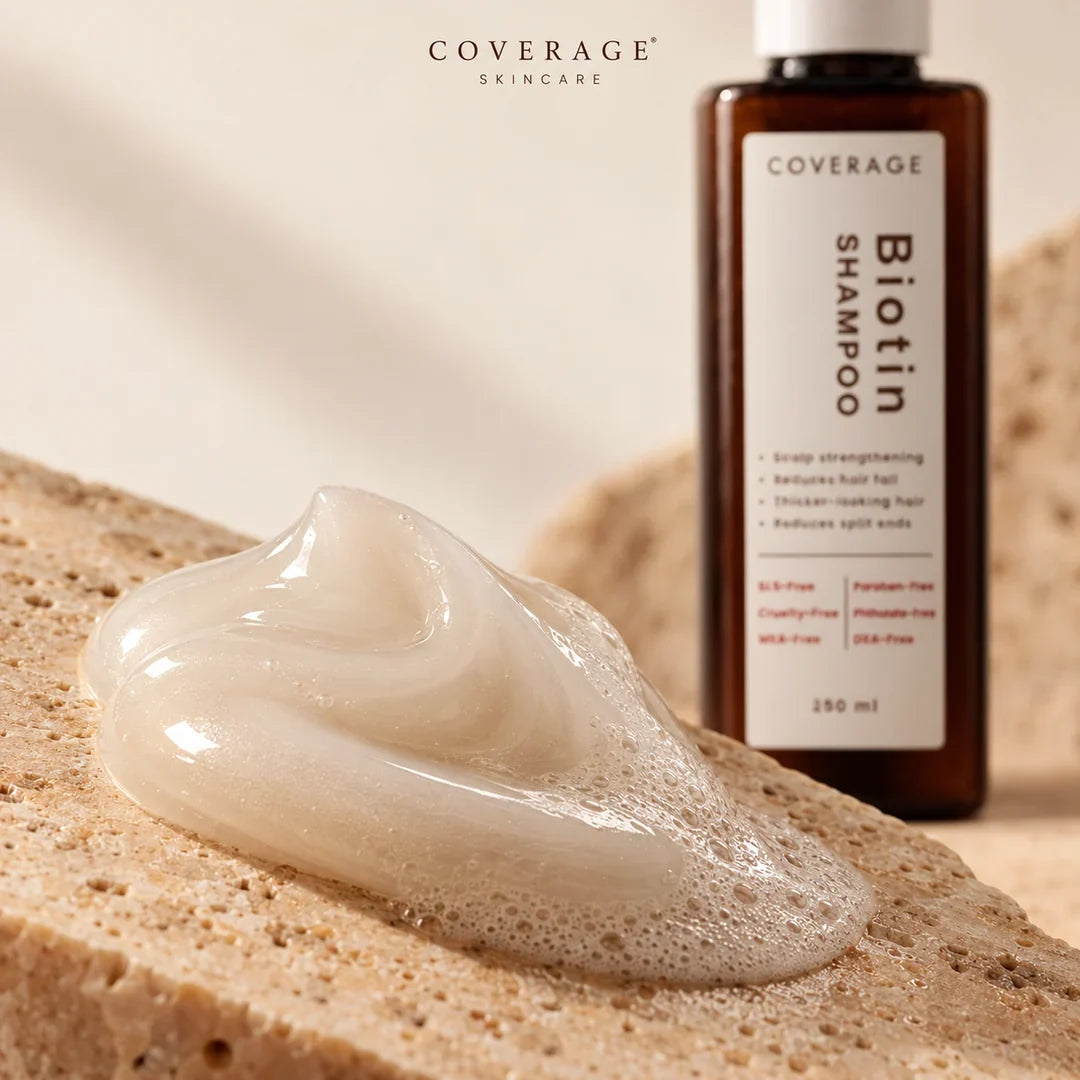
COVERAGE Biotin Shampoo 250ml, Rs.1,900
Fully sulphate-free, with Biotin and Hydrolyzed Keratin high in the formula to strengthen fragile hair and cut breakage. Gentle enough for daily washing. Cash on delivery across Pakistan.
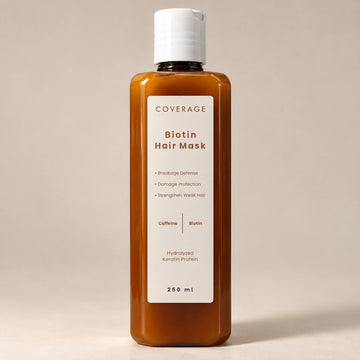
Want the full routine? Get it with the Biotin Hair Mask in the Hair Fall & Strength Duo. Frizz and dryness rather than fall? Try the Rice Silk Shampoo.
First: Shedding, Breakage and Hair Loss Are Not the Same
"Hair fall" gets used for three different things, and mixing them up is why people buy the wrong bottle.

Hair shedding. It's normal to shed 50 to 100 hairs a day, according to the American Academy of Dermatology. Illness, high fever, stress, childbirth, surgery or major weight loss can push this higher for a while, and it usually settles once the trigger resolves.
Hair breakage. Breakage is the shaft snapping: shorter broken pieces, split ends, frizz and roughness. Heat styling, bleaching, chemical treatment and rough handling are the usual causes. A gentler shampoo reduces mechanical stress but can't repair an already-damaged shaft.
Hair thinning and clinical hair loss. Thinning means overall density dropping: a wider parting, more scalp showing, a thinner ponytail. Hereditary hair loss is one of the most common causes worldwide, and alopecia areata, hormonal shifts, illness, medication and scalp infections are others. This is why a stronger "anti-hair fall" shampoo isn't automatically the fix.
Can Shampoo Actually Stop Hair Loss?
Usually not by itself. Shampoo cleanses, manages dandruff, and reduces buildup and shaft damage, but hereditary loss, telogen effluvium, and hormonal or nutritional causes need a different approach entirely. The AAD recommends identifying the cause before choosing a treatment.
This is exactly why COVERAGE Biotin Shampoo doesn't claim biotin alone reverses hair loss. It's built as part of a scalp-care routine, paired with the Biotin Hair Mask for the deeper conditioning a shampoo alone can't provide, together in the Hair Fall & Strength Duo.
If You Have Dandruff or an Itchy Scalp
Dandruff and its more inflamed form, seborrheic dermatitis, are driven mainly by Malassezia, a yeast that lives on everyone's scalp and feeds on sebum. In some people it triggers flaking, itching and redness. Constant scratching and an inflamed scalp can add to shedding, so getting dandruff under control is often the first real step in reducing hair fall.
The fix is a medicated anti-dandruff shampoo, not a cosmetic one. Look for an antifungal active such as ketoconazole, selenium sulfide, zinc pyrithione or ciclopirox. Massage it into the scalp and leave it on for around five minutes before rinsing, so the active has time to work. Once flaking settles, many people drop to once or twice a week for maintenance.
Ketoconazole gets extra attention because a few small studies suggest it may help alongside treatment for pattern hair loss. That research is promising but unproven, so treat it as a dandruff treatment first, not a hair-loss cure.
COVERAGE doesn't make a medicated shampoo, so if dandruff is your main problem, a pharmacist is the right first stop. Once your scalp is calm, a gentle shampoo can take over between medicated washes.
If You Have an Oily Scalp
An oily scalp usually needs more frequent washing, not less. Many people skip washes because they're afraid washing causes hair fall, but the hairs you see in the drain had already shed and were simply waiting to be rinsed out. Leaving sebum to build up for days gives dandruff yeast more to feed on and leaves hair limp and flat.
Wash as often as your scalp needs, daily if necessary, with a shampoo that cleans properly. Sulphate-free isn't automatically better here: it describes the cleansing system, not how well a shampoo suits your scalp. If your roots feel greasy by evening, an occasional clarifying wash is fine. Keep conditioner and hair masks on the mid-lengths and ends, away from the roots, and if you oil your hair, wash it out properly rather than leaving heavy oil on the scalp for days.
If You Have a Dry or Sensitive Scalp
A dry, tight or easily irritated scalp does better with a mild, low-fragrance shampoo, lukewarm rather than hot water, and fewer washes per week. Strong clarifying or anti-dandruff shampoos used every day can leave it drier still.
Sulphate-free cleansers are often more comfortable for dry and sensitive scalps because they strip less oil, which is one reason both COVERAGE shampoos avoid sulphates.
If itching, redness, burning or scaling continues despite gentler products, it may be seborrheic dermatitis, psoriasis or a reaction to an ingredient, and it's worth having a dermatologist take a look.
If Your Hair Is Breaking
Short hairs rather than full-length shed strands usually mean breakage, not follicular loss. Focus on gentle cleansing, regular conditioning, less heat and less aggressive brushing.

Rice Silk Shampoo is built for exactly this, with rice protein and silk amino acids that improve slip and reduce friction during washing and detangling. Pair it with the Rice Hair Mask as a deeper weekly treatment, or get both together in the Shiny & Silky Hair Duo. These ingredients help the hair fibre; they're not a follicle treatment.
Hard Water and Hair Fall in Pakistan

Hard water deserves its own explanation. We've covered the mechanism, two independent Pakistani hair-shaft studies, and what a chelating shampoo actually does in Hard Water & Hair Fall in Pakistan →. The short version: the better-supported concern is shaft weakening and breakage from mineral buildup, not permanent follicle damage.
What Does the Evidence Say About Common Ingredients?
Hair-fall shampoos are sold on ingredient names. Here's what the research actually supports, because marketing popularity isn't the same as evidence.
Ketoconazole
The best-supported active on this list, but for dandruff and seborrheic dermatitis, where it's a standard antifungal treatment. Small studies suggest a possible benefit in pattern hair loss when used alongside proven treatments. It isn't a standalone hair-loss cure.
Caffeine
Lab studies suggest caffeine can stimulate hair follicles, and some trials of leave-on caffeine solutions have shown encouraging results. A shampoo is rinsed off within minutes, though, so how much benefit survives the wash is still an open question. Treat caffeine as a supporting ingredient, not the main event.
Biotin
Biotin deficiency can cause hair loss, but true deficiency is rare in people eating a normal diet. For everyone else, the evidence that biotin, taken or applied, grows more hair is limited. It works best as part of a strengthening, scalp-care routine rather than as a cure on its own. If you take biotin supplements, tell your doctor before any blood test, since high doses can interfere with some lab results, including thyroid tests.
The full biotin research breakdown, including what the evidence does and doesn't support, is in Biotin Shampoo in Pakistan: Does It Actually Stop Hair Fall? →
Is Sulfate-Free Shampoo Better for Hair Fall?
Not automatically. Sulphates such as sodium lauryl sulfate (SLS) and sodium laureth sulfate (SLES) are strong, effective cleansers, and there's no good evidence that they make hair fall from the root.
What they can do is strip more oil. That leaves some people with a dry, tight or irritated scalp, and makes dry, coloured or chemically treated hair feel rougher and more prone to breakage. For those people, a sulphate-free shampoo is simply more comfortable to use regularly.
So choose sulphate-free for comfort and for fragile hair, not as a hair-loss treatment. Both COVERAGE shampoos are sulphate-free for exactly this reason.
How to Shampoo If Your Hair Is Falling
- Wet your hair thoroughly with lukewarm water. Very hot water strips more oil and can leave the scalp dry and irritated.
- Apply shampoo to the scalp, not the lengths. A coin-sized amount is usually enough, because the scalp is where oil and buildup sit.
- Massage with your fingertips, not your nails. Use gentle circular movements for about a minute. Scratching damages the scalp and pulls on the hair.
- Let the lather rinse through the lengths. Don't pile your hair on top of your head and scrub, which tangles and breaks it.
- Condition every wash. Apply conditioner or a hair mask to the mid-lengths and ends, leave it for a few minutes, then rinse.
- Squeeze, don't rub. Press water out with a soft towel or a cotton T-shirt. Rubbing roughs up the cuticle.
- Detangle gently. Use a wide-tooth comb, starting at the ends and working up. Wet hair stretches and snaps more easily.
Seeing hair in the drain after a wash is normal. Those hairs had already shed and were loosened by washing, so washing less only means they come out later, all at once.
Common Mistakes When Choosing a Hair-Fall Shampoo
- Buying on the label. "Anti-hair fall" on a bottle tells you nothing about whether it matches your cause.
- Switching shampoos every few weeks. Hair grows roughly a centimetre a month, so any change needs two to three months before you can judge it.
- Treating dandruff with a cosmetic shampoo. Flaking and itching need a medicated antifungal.
- Skipping conditioner. Shampoo cleans; conditioner protects the lengths from friction and breakage.
- Leaving heavy oil on the scalp for days. It can feed dandruff yeast and weigh hair down. Wash it out properly.
- Washing less to "save" hair. It doesn't reduce shedding; it just delays it.
- Ignoring medical causes. Low iron, thyroid problems, PCOS and postpartum changes are common causes of hair fall, and no shampoo will fix them.
When Should You See a Dermatologist?
See a dermatologist if you notice any of these:
- Bald patches, whether round and smooth or irregular
- A widening parting, a receding hairline or visibly more scalp
- Heavy shedding that hasn't settled after a few months
- Scalp pain, burning, redness, pus or thick scaling
- Hair fall alongside tiredness, irregular periods, unexplained weight change or new acne
- Hair fall that started after a new medicine
A dermatologist can examine your scalp, identify the type of hair loss and, where needed, check blood levels such as ferritin (iron stores), thyroid function and vitamin D. Early treatment matters most for pattern hair loss and alopecia areata, because follicles are easier to protect than to recover. Shedding after childbirth is common, usually peaks a few months after delivery and settles within about a year.
The COVERAGE Hair Fall & Strength Duo

Biotin Shampoo + Biotin Hair Mask, Rs.3,509
- Sarcosinate-based cleansing: sulphate-free and gentle enough for daily use
- The shampoo cleanses and preps the scalp; the mask conditions and strengthens the strand, the two-step routine biotin alone can't cover
- Made at COVERAGE's own GMP-certified facility, not third-party white-labelled
Frequently Asked Questions
What is the best shampoo for hair fall in Pakistan?
There isn't one universal answer, because it depends on the cause. Dandruff needs a medicated shampoo, hard water needs a chelating approach, breakage needs gentle conditioning ingredients like rice protein, and everyday hair fall is best supported by a gentle scalp-care routine such as COVERAGE Biotin Shampoo paired with the Biotin Hair Mask.
Is COVERAGE Biotin Shampoo sulphate-free?
Yes. It's formulated with a sarcosinate cleansing base rather than sulphates, so it cleanses the scalp without the harsher stripping some sulphate shampoos cause.
Can I use Biotin Shampoo and Rice Silk Shampoo together?
They're built for different problems, so most people pick one based on their main concern rather than alternating. If you have both hair fall and breakage, start with Biotin Shampoo for the scalp and layer in the Rice Hair Mask for conditioning.
How long before I see results with Biotin Shampoo?
Hair growth cycles are slow, so most people need consistent use over 8 to 12 weeks before judging results. Shampoo supports scalp hygiene; it isn't an overnight fix.
Can shampoo alone stop hair loss?
Usually not by itself. Shampoo cleanses and manages scalp conditions like dandruff, but causes such as hereditary hair loss or hormonal changes need a different, often medical, approach.
What is the difference between hair shedding and hair loss?
Shedding 50 to 100 hairs a day is normal and often temporary, for example after illness, stress or childbirth. Hair loss involves disrupted follicle growth and doesn't resolve on its own.
Does hard water cause hair fall in Pakistan?
The stronger evidence links hard water to shaft weakening and breakage rather than permanent follicle damage. See our full Hard Water & Hair Fall guide for the research.
Is sulfate-free shampoo better for hair fall?
Not automatically. Sulfate-free describes the cleansing system, not a guarantee against hair loss. What matters is whether the shampoo cleans your scalp well without irritation.
Does biotin shampoo really work for hair fall?
Evidence for biotin in people without a deficiency is limited. It's most useful as part of a scalp-care routine rather than a standalone cure, which is why COVERAGE pairs Biotin Shampoo with the Biotin Hair Mask rather than marketing it alone.
What causes hair breakage versus hair fall?
Breakage comes from the shaft snapping, usually from heat styling, bleaching or chemical treatment. Hair fall from the root involves the follicle and growth cycle. They need different products.
When should I see a dermatologist for hair fall?
If you notice a widening part, a receding hairline, bald patches, scalp pain or persistent severe dandruff, these need professional evaluation rather than another shampoo.
How often should I wash my hair if it's falling out?
Regular washing supports scalp hygiene and doesn't damage follicles by itself. Frequency should match your scalp type; oilier scalps generally need more frequent washing than dry ones.
The Bottom Line
Don't start with the bottle; start with the problem. Dandruff needs a medicated shampoo. Hard-water buildup needs a chelating approach. Breakage calls for gentle cleansing and conditioning, which is what Rice Silk is built for. Everyday hair fall calls for a gentle scalp-care routine, which is where the Biotin duo fits. Progressive thinning and bald patches need a dermatologist, not a shopping cart. Browse the full COVERAGE hair range →
This article is for general informational purposes only and is not a substitute for professional medical advice. All information and claims referenced above are drawn from publicly available dermatological studies and expert sources. Always consult a dermatologist for advice specific to your skin.

.%20A%20shampoo%20can%20clea...)
Leave a comment
This site is protected by hCaptcha and the hCaptcha Privacy Policy and Terms of Service apply.