
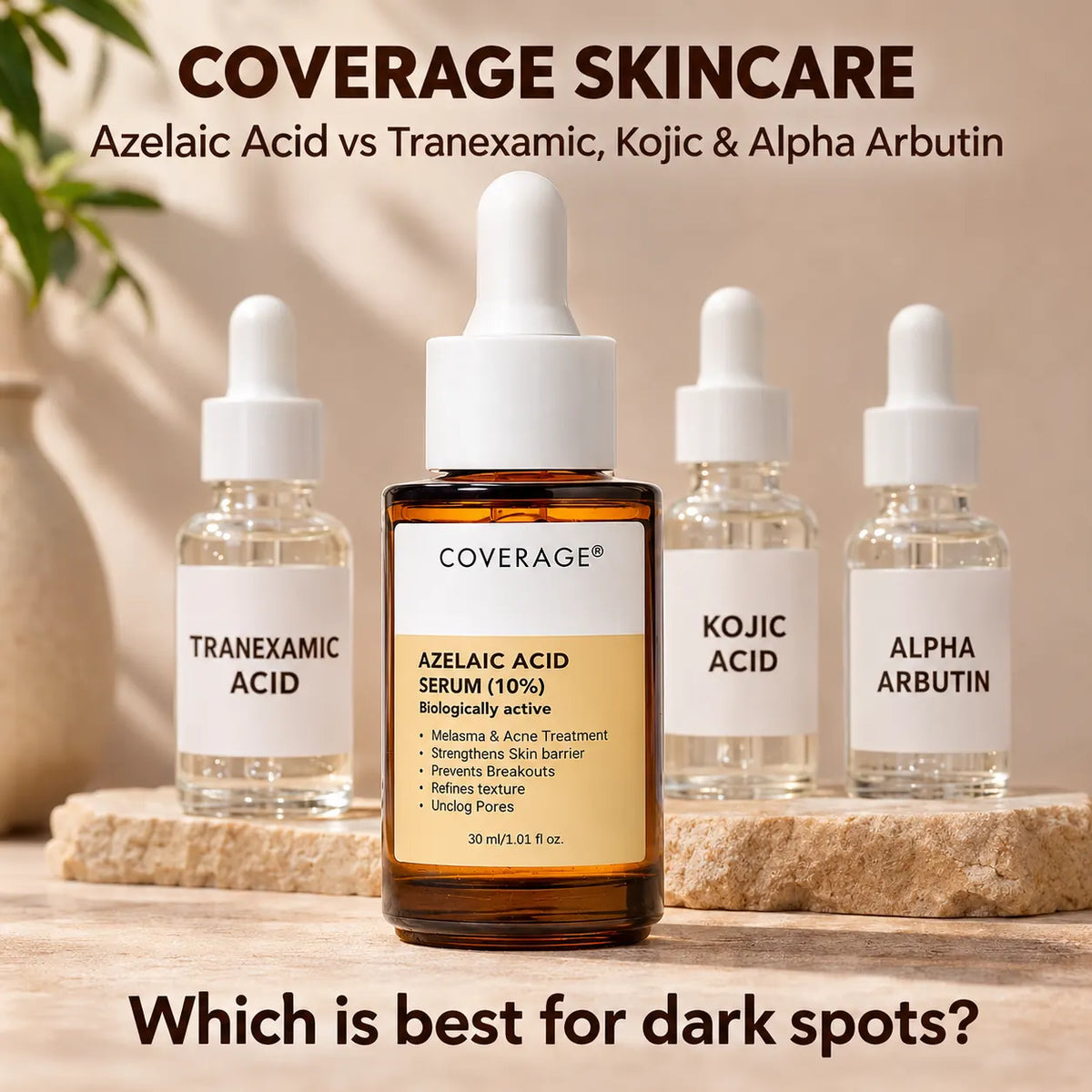
Azelaic Acid vs Tranexamic Acid, Kojic Acid and Alpha Arbutin: Which Is Best for Dark Spots?
The quick answer
Which is best for dark spots: azelaic acid, tranexamic acid, kojic acid or alpha arbutin? It depends on the kind of dark spot. For acne marks (PIH) on brown skin, azelaic acid has the strongest skin-of-colour evidence of the four, and it also treats the acne that keeps creating new marks. For melasma (chhaiyan), tranexamic acid is a reasonable option, but its strongest results come from tablets and injections prescribed by doctors, not from serums. Kojic acid and alpha arbutin are supporting brighteners with thinner evidence and real limits. No study has compared all four, so there is no universal winner. And none of them work without a daily tinted sunscreen.
You have acne marks that will not fade, or brown patches on your cheeks that get darker every summer. You search for help and find four names everywhere: azelaic acid, tranexamic acid, kojic acid and alpha arbutin. Every brand says its ingredient is the best.
The honest answer is that “dark spots” are not one problem. A mark left by a pimple, a melasma patch and a sun spot form in different ways, and each ingredient has different evidence behind it. Choosing well starts with knowing which kind of spot you have, then matching it to the ingredient with the best human evidence and the lowest risk of irritating your skin.
At COVERAGE®, we make an Azelaic Acid 10% Serum in our own facility in Lahore, so we have a stake in this topic. That is why we have kept the evidence straight: every medical claim below links to its source, and we tell you where the other ingredients have their own strengths.
Dealing with acne marks, daag dhabbe or melasma right now? Our COVERAGE Azelaic Acid Serum 10% is a lightweight, fragrance-free, alcohol-free serum made for daily, long-term use on brown skin. It works on overactive pigment and calms the acne behind new marks. Made in Lahore, delivered across Pakistan with cash on delivery.
First, what kind of dark spot do you have?
Before comparing ingredients, identify the spot. The same cream can work well on one type and barely touch another.

Acne marks and post-inflammatory hyperpigmentation (PIH)
Flat brown or dark marks left where a pimple, insect bite, burn, rash or scratch healed. Dermatologists call this post-inflammatory hyperpigmentation (PIH), and in Pakistan most people call these marks dano ke nishan or daag dhabbe. PIH is one of the most common reasons people with darker skin tones see a dermatologist (American Academy of Dermatology).
Red or pink marks (PIE)
Marks that look red or pink rather than brown are post-inflammatory erythema (PIE), caused by small blood vessels rather than pigment. Pigment-blocking ingredients do little for them. They often fade on their own as inflammation settles.
Melasma (chhaiyan)
Brown or grey-brown patches, usually on both cheeks, the forehead, upper lip or chin. Melasma is linked to sun, visible light, heat and hormones (pregnancy, contraceptive pills), and it tends to come back. Our melasma and chaiyan ka ilaj guide covers it in depth.
Sun spots (solar lentigines)
Small, well-defined brown spots on areas that get years of sun, such as the cheeks, nose, hands and forearms. They are more common with age and stay unless treated, often with in-clinic procedures.
When a dark spot needs a doctor, not a serum
- The spot is raised, bleeding, itchy, growing or changing colour or shape.
- It has several colours or an irregular border.
- Darkening appeared suddenly over a large area.
- The patch is grey-blue or blue-black, especially after long use of a pigment or “formula” cream.
- You are not sure whether it is melasma, PIH or something else.
- You are pregnant or breastfeeding and want to treat pigmentation.
Why brown skin needs a gentle approach
Skin is described by Fitzpatrick type, from I (always burns) to VI (deeply pigmented). Most Pakistani skin sits around types III to V. Richer skin makes more melanin, which also means it reacts to injury by making more pigment.
That is the trap with dark spots: irritation creates new PIH. A product that stings, peels or burns can leave fresh marks while you are trying to fade old ones. The American Academy of Dermatology warns that some pigment treatments can irritate darker skin and make pigmentation worse, and that results usually take longer in darker skin tones (AAD).

So when we compare these four ingredients, tolerability is not a side note. On brown skin, an ingredient that irritates less is often the one that works better in real life, because you can keep using it.
How the four ingredients work
All four reduce excess melanin, but they act at different points.

- Azelaic acid slows tyrosinase, the enzyme that makes melanin, and acts mainly on overactive pigment cells rather than normal ones. It is also anti-inflammatory, antibacterial and helps unclog pores, which is why it treats acne as well as the marks acne leaves (Kircik, 2011).
- Tranexamic acid works further upstream. It blocks plasmin, a signal that tells pigment cells to make more melanin after sun exposure and inflammation (Sobhan et al., 2023).
- Kojic acid, a substance made by fungi, binds the copper that tyrosinase needs to work.
- Alpha arbutin is made by attaching glucose to hydroquinone. It inhibits tyrosinase and can release small traces of hydroquinone, which is why regulators limit it (EU Regulation 2024/996).
A plausible mechanism in a lab is not the same as proof on human faces. What matters is the clinical evidence, so that is what we compare next.
Azelaic acid: the strongest evidence on brown skin
Azelaic acid is the only one of the four tested in a controlled trial specifically on deeper skin tones:
- Darker skin, 24 weeks: in a randomised, double-blind trial of 52 patients with Fitzpatrick skin types IV to VI, 20% azelaic acid cream gave significantly greater improvement in facial hyperpigmentation than the base cream without azelaic acid. Burning and stinging were slightly more common, and more patients were satisfied (Lowe et al., 1998).
- Acne plus acne marks, types IV to VI: in a 16-week study of 20 adults with acne and moderate to severe PIH, 15% azelaic acid gel improved both acne and dark marks, with improvement starting from week 4 and good tolerability. It was a small study without a control group (Kircik, 2011).
- Acne marks, placebo-controlled: in a 2024 double-blind trial of 72 acne patients, 15% azelaic acid gel reduced both red and brown post-acne marks over 12 weeks and did not harm the skin barrier (Shucheng et al., 2024). Most participants had medium skin (type III).
- Melasma: 20% azelaic acid was significantly more effective than 2% hydroquinone in the Cochrane review of melasma treatments (Cochrane review, abridged), and a 2023 meta-analysis of six trials and 673 patients found it reduced melasma severity scores slightly more than hydroquinone (Albzea et al., 2023). We cover this in detail in azelaic acid vs hydroquinone for melasma.
An important detail: these trials used 15% or 20% azelaic acid. In Pakistan, 20% creams are pharmacy medicines that should be used on a doctor’s advice. Cosmetic serums, including ours, use 10%. We explain how that fits below.

Tranexamic acid: why the route matters
Tranexamic acid is a medicine first. Doctors have used it for decades as a tablet or injection to reduce bleeding. In skincare it appears in three very different forms, and their evidence does not transfer from one to another:

- Tablets (oral): prescription only. Oral tranexamic acid has the strongest melasma results, but it affects blood clotting, so it is not suitable for people with a history of clots or certain other conditions and must be supervised by a doctor (review of oral tranexamic acid).
- Injections (intradermal): given in clinic. A Pakistani trial at CMH Peshawar of 116 women found intradermal tranexamic acid worked better than topical 20% azelaic acid for melasma over 6 weeks (Komal et al., 2021).
- Serums and creams (topical): what you can buy. The evidence here is real but mixed.
For topical tranexamic acid specifically:
- A 2022 British Journal of Dermatology review of blinded trials concluded topical tranexamic acid was more effective than placebo and about as effective as hydroquinone for melasma (BJD, 2022).
- But a double-blind split-face trial in Asian patients found 5% topical tranexamic acid was no better than the plain base cream (Kanechorn Na Ayuthaya et al., 2012, cited in Sobhan 2023).
- A meta-analysis of 11 studies and 667 patients found tranexamic acid reduced melasma severity with minor side effects, but it pooled tablets, injections and creams together, so it cannot tell you how well a serum alone works (Kim et al., 2017).
Watch for this in other articles: many pages say “tranexamic acid beats azelaic acid for melasma”. The Pakistani study usually cited gave oral tranexamic acid tablets to both groups, then compared 3% tranexamic solution with 20% azelaic acid on top (Malik et al., 2019). That shows what a prescription tablet regimen can do. It does not show that a tranexamic serum beats azelaic acid.
Azelaic acid vs tranexamic acid: the only head-to-head trial
Only one published trial has compared topical azelaic acid directly with topical tranexamic acid. It looked at acne marks (Sobhan et al., 2023):
- Design: single-blind randomised trial in Iran. 20% azelaic acid cream vs 5% tranexamic acid solution, twice daily for 12 weeks, with SPF 30. Thirty patients per group finished.
- Results: both improved acne marks steadily, and the two were statistically comparable at every visit.
- Side effects: at week 4, side effects were reported by 36.6% of the azelaic acid group vs 3.3% of the tranexamic group, mainly redness and burning. By weeks 8 and 12 the difference was no longer significant.
- Limits: small and single-centre. Participants were mostly Fitzpatrick types II to IV, with none of types V or VI. The tranexamic “solution” was a diluted injection ampoule, not a cosmetic serum. Eleven patients left the azelaic group because of side effects.
Our reading: for acne marks, a strong azelaic acid cream and a tranexamic acid solution performed in the same range. The 20% cream irritated more in the first month, which is exactly why strength and formula matter on brown skin. Azelaic acid has one practical advantage tranexamic acid does not: it also treats the acne that keeps creating new marks. If you still get breakouts, that matters more than a small difference in fading speed.
Can you use azelaic acid and tranexamic acid together?
They work on different pathways, so some dermatologists pair them, for example tranexamic acid in the morning and azelaic acid at night. A combined azelaic and tranexamic formula is being tested in a placebo-controlled trial, but results are not yet published. If you combine them, add one at a time and stop if your skin stings for days. Our guide on what you can mix with azelaic acid covers safe pairings.
Kojic acid vs alpha arbutin
These two are often sold together as “brightening” serums. Both are tyrosinase inhibitors, but their evidence and safety profiles differ.
Kojic acid: it works, but watch for allergy
- Evidence: kojic acid has been tested in melasma, but usually in combination with hydroquinone or glycolic acid. Head to head, 4% hydroquinone worked faster and better than a 0.75% kojic acid cream with vitamin C over 12 weeks (Monteiro et al., 2013).
- Allergy: in a Japanese patch-test study, 5 of the 8 patients who had used kojic acid products were sensitised to it, developing facial dermatitis 1 to 12 months after starting (Nakagawa & Kawai, 1995). Darkening caused by a kojic acid allergy has also been reported (Contact Dermatitis, 2010), which is the opposite of what you want on brown skin.
- Limit: the EU’s scientific safety committee considers kojic acid safe in cosmetics up to 1%, after reviewing possible effects on thyroid hormones (SCCS, 2022). Some serums sold online list 2%.
- Stability: kojic acid oxidises and can turn brown in the bottle, so formula and packaging matter.
Alpha arbutin: gentle reputation, thin human evidence
- Not hydroquinone, but related: alpha arbutin is made from hydroquinone and glucose and can release trace hydroquinone. The EU limits it to 2% in face creams and 0.5% in body lotions, and requires hydroquinone to stay at unavoidable trace levels (EU Regulation 2024/996).
- Evidence: much of the support comes from laboratory work and supplier data. When EU safety reviewers assessed it, the supplier had no further clinical testing data to add (CosmeticsDesign Europe, 2015). Human trials mostly test it in combinations, such as a small Thai pilot of alpha arbutin with kojic acid against a triple cream (J Cosmet Dermatol, 2024).
- Tolerability: generally well tolerated, which is its main appeal.

Kojic or alpha arbutin? Neither has strong standalone evidence, and no trial has compared them head to head. Alpha arbutin is usually the gentler choice; kojic acid carries a known allergy risk. If you use either, stay within 1% kojic acid and 2% alpha arbutin, patch test first, and stop at the first sign of a rash.
Evidence at a glance
This table separates how strong the evidence is from how useful an ingredient may be. The studies used different strengths, skin types and conditions, so these are not head-to-head rankings.
| Azelaic acid | Tranexamic acid (topical) | Kojic acid | Alpha arbutin | |
|---|---|---|---|---|
| Strength of evidence | Strong: controlled trials, meta-analyses | Moderate, mixed results | Limited, mostly in combinations | Weak, mostly lab and combinations |
| Tested on types IV to VI | Yes | Some Asian and Pakistani studies, few types V to VI | Some Asian studies | Very little |
| Acne marks (PIH) | Good evidence, also treats acne | One trial, matched 20% azelaic acid | Little direct evidence | Little direct evidence |
| Melasma | Good evidence at 20% | Reasonable, mixed; oral is stronger | Some, mainly with hydroquinone | Mainly in combinations |
| Main risk | Tingling, redness early on | Mild irritation; tablets need a doctor | Allergic dermatitis | Trace hydroquinone; limited data |
| Limit or status | 10% cosmetic; 15 to 20% pharmacy medicine | 2 to 5% topical; tablets prescription | EU safe up to 1% | EU max 2% face cream |
| Pregnancy | Considered suitable; check with doctor | Not established; ask doctor | Not established; ask doctor | Not established; ask doctor |

Which should you choose? A decision guide
| Your concern | Sensible first choice | Alternative | See a dermatologist if |
|---|---|---|---|
| Acne marks with active acne | Azelaic acid (treats both) | Topical tranexamic acid for marks only | Acne is moderate to severe or scarring |
| Old acne marks, no breakouts | Azelaic acid or topical tranexamic acid | Alpha arbutin as a gentle add-on | No change after about 12 weeks |
| Melasma (chhaiyan) | Azelaic acid plus iron-oxide tinted SPF | Topical tranexamic acid | Moderate to severe; tablets or injections need a doctor |
| Sun spots | Daily tinted SPF to stop darkening | Any of the four may soften them slowly | You want removal; procedures work better |
| Sensitive or reactive skin | Gentle 10% azelaic acid serum, every other night at first | Topical tranexamic acid | Everything stings; barrier needs repair first |
| Not sure what it is | Tinted SPF and a gentle routine | Hold off on strong actives | Always, before treating |
| Pregnant or breastfeeding | Azelaic acid and mineral tinted SPF, after checking with your doctor | Avoid starting the others without advice | Before starting anything |

Why a plausible mechanism is not enough. Kojic acid and alpha arbutin look impressive in lab tests. But skin is not a test tube: an ingredient has to reach the pigment cells, stay stable in the bottle, and be gentle enough to use for months. That is why we rank human evidence and tolerability above mechanism.
Where COVERAGE® Azelaic Acid Serum 10% fits
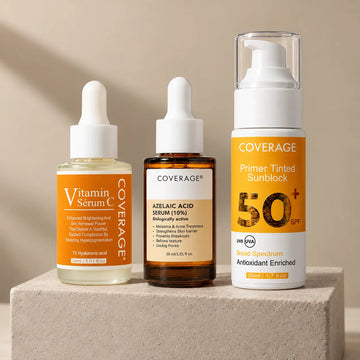
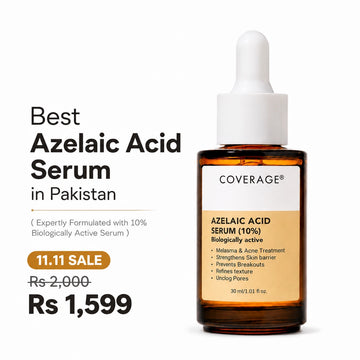
We built our Azelaic Acid Serum 10% for the most common dark spot problem we hear about in Pakistan: acne marks and daag dhabbe on brown skin, often with active breakouts and, for many women, melasma as well. It is the ingredient with the deepest evidence on darker skin, in a form made for daily use.
Why 10%, in a serum. Many people here meet azelaic acid as a 20% pharmacy cream and stop within weeks because it stings or feels heavy. The head-to-head trial above showed the same thing: the 20% cream caused far more redness and burning in the first month. On brown skin, irritation can mean new marks, and a treatment you stop early cannot work. So we formulate 10% biologically active azelaic acid in a lightweight aqueous serum, the gentler strength you can stay consistent with. To be clear about the science, the clinical trials used 15% to 20%, and 20% is the stronger, doctor-guided option. Our 10% gives you the same selective, non-bleaching ingredient in a form designed for long-term daily use.

What is in it, and why:
- Azelaic acid 10% slows the overactive pigment behind acne marks, daag dhabbe and chhaiyan, and calms the acne that creates new marks, without lightening your natural skin tone. See does azelaic acid lighten skin?
- Aloe vera leads the formula, ahead of water, to soothe skin while the azelaic acid works.
- Sodium hyaluronate holds hydration through Pakistani summers.
- Vitamin E (tocopheryl acetate) for antioxidant support.
- No fragrance, no alcohol, no propylene glycol, left out because irritation is the enemy of brown skin.
- Lightweight and fast-absorbing, it sits under sunscreen without pilling.

Made by us, in Lahore. Our serum is made in our own manufacturing facility, which has produced skincare for decades, and formulated by our in-house chemical engineers. The facility holds GMP and ISO 9001 certification, our products are Halal certified, and we never test on animals. We use high-grade raw materials and verify what goes into every batch. We have delivered over 72,000 orders across Pakistan.

How to use it for dark spots:
- Patch test on the inner forearm or jawline and wait 24 hours.
- Cleanse and pat dry, then apply 3 to 4 drops to the whole face, avoiding the eyes.
- Follow with moisturiser. New to actives? Start every other night and build up to daily.
- Every morning, finish with tinted SPF 50+. This step is not optional.
Our full guide: how to use azelaic acid serum. Mild tingling in the first week or two is common; our azelaic acid side effects guide explains what is normal and when to stop.
Shop COVERAGE Azelaic Acid Serum 10%, available across Pakistan with cash on delivery.
The step that decides results: tinted sunscreen
None of these four ingredients can keep up with daily sun exposure on its own. The AAD advises that fading dark spots on darker skin starts with a tinted sunscreen containing iron oxide, because iron oxide also protects against visible light, which can darken pigmentation (AAD).
- In a double-blind trial of 68 melasma patients, adding iron oxide to an SPF 50+ sunscreen improved results compared with UV-only sunscreen (Castanedo-Cazares et al., 2014).
- In a 6-month trial of 40 patients over spring and summer, a tinted iron-oxide sunscreen led to less melasma worsening than the same sunscreen without tint (Boukari et al., 2015, via review).

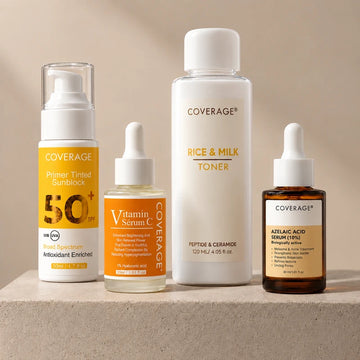
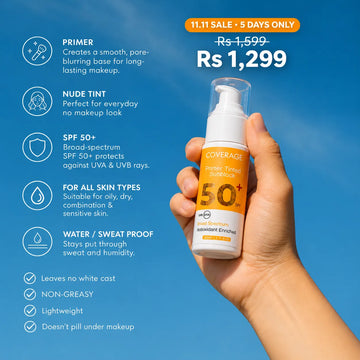
That is why we built our Primer Tinted Sunblock SPF 50+ around iron oxides. It is 100% mineral, broad-spectrum SPF 50+, water and sweat resistant, and blends into medium skin tones without a white cast. Apply about two finger lengths for face and neck every morning, and reapply every 2 to 3 hours outdoors or after sweating. More in our tinted sunscreen guide.
Combining them safely
- Never start two new actives at once. Introduce one, wait 2 to 4 weeks, then consider a second.
- Do not stack all four. More actives means more irritation, and on brown skin that means more marks.
- Split by time of day if you use two: for example, a vitamin C or tranexamic acid serum in the morning and azelaic acid at night.
- Patch testing helps but is not a guarantee. Kojic acid allergy, for example, can appear after months of use.
- Stop and get advice if burning, swelling, a rash or new darkening lasts more than a few days.

A simple dark spot routine for Pakistani weather
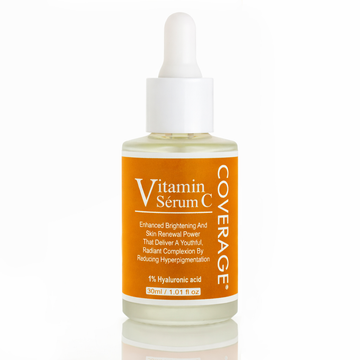
Morning: gentle cleanser, Vitamin C + 1% HA Serum for antioxidant protection, a light moisturiser, then Primer Tinted Sunblock SPF 50+.
Night: gentle cleanser, Azelaic Acid Serum 10%, moisturiser.
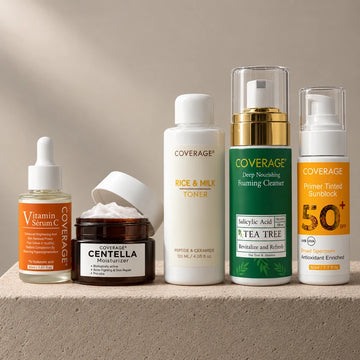
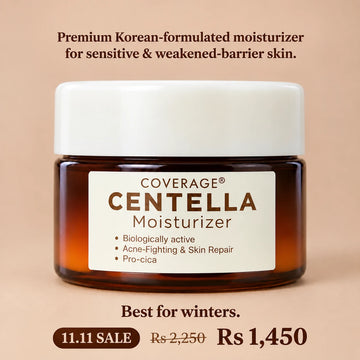
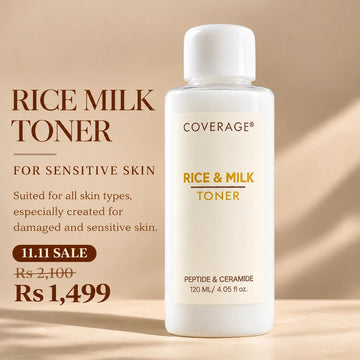
Our Melasma, Dark Spots & Acne Marks Treatment brings these three steps together. For sensitive skin, the Pigmentation & Melasma + Acne Bundle pairs the azelaic serum with our Rice & Milk Toner and Centella Moisturizer for barrier comfort; add a tinted sunscreen in the morning. Wondering how vitamin C compares? Read azelaic acid vs vitamin C and niacinamide vs azelaic acid.

How long does it take?
Many of our customers tell us they notice the first changes within 1 to 3 weeks. Every skin type and every dark spot is different, and some people need more time. In clinical studies, results were measured over roughly 3 to 6 months (12 to 24 weeks).
The AAD notes that once the cause is stopped, a spot a few shades darker than your skin usually fades within 6 to 12 months, and deeper pigment can take longer (AAD). The right ingredient, used consistently with daily sunscreen, helps that process along. More detail in how long azelaic acid takes to work.

Pregnancy and breastfeeding
These four ingredients do not share the same safety profile in pregnancy:
- Azelaic acid: MotherToBaby notes that the American College of Obstetricians and Gynecologists suggests over-the-counter products containing azelaic acid may be used during pregnancy (MotherToBaby). Check with your doctor first. Our pregnancy and breastfeeding guide covers the evidence.
- Tranexamic acid: topical safety in pregnancy has not been established, and tablets should only be used if a doctor prescribes them. Do not take tranexamic acid tablets for skin while pregnant or trying to conceive without medical advice.
- Kojic acid and alpha arbutin: there is not enough pregnancy data, and alpha arbutin can release trace hydroquinone. Ask your doctor before using them.
Mistakes that make dark spots worse
- Picking or squeezing pimples, which deepens marks.
- Using several new actives at once, or scrubbing hard.
- Lemon, raw turmeric pastes, toothpaste or bleach on the face.
- Unlabelled “formula” creams that may contain strong steroids or hydroquinone.
- Skipping sunscreen on cloudy days or indoors near windows.
- Stopping too early, or switching products every few weeks.
Roman Urdu mein khulasa
Dano ke nishan (acne marks) aur daag dhabbe: agar abhi bhi dane nikalte hain to azelaic acid behtar choice hai, kyunke yeh danon aur nishanon dono par kaam karta hai. Chhaiyan (melasma): azelaic acid aur roz tinted sunblock se shuru karein; zyada chhaiyan ho to dermatologist se milein, kyunke tranexamic acid ki goliyan sirf doctor ki salah par li jati hain. Kojic acid se kuch logon ko allergy ho sakti hai, aur alpha arbutin ka saboot kamzor hai. Ek waqt mein ek hi naya active shuru karein, aur har subah SPF 50+ tinted sunblock zaroor lagayein.

Frequently asked questions
Is tranexamic acid better than azelaic acid for dark spots?
Not clearly. In the only head-to-head trial, 20% azelaic acid cream and 5% tranexamic acid solution faded acne marks about equally over 12 weeks, with less early irritation from tranexamic acid. Claims that tranexamic acid wins for melasma usually rely on tablets or injections, not serums. Azelaic acid also treats acne, which tranexamic acid does not.
Which is best for acne marks on brown skin?
Azelaic acid has the strongest evidence on darker skin of the four, including a controlled trial in Fitzpatrick types IV to VI, and it also treats the acne that causes new marks. Use it with a daily tinted sunscreen.
Which is best for melasma?
Azelaic acid has good evidence for melasma at 20%, and topical tranexamic acid is a reasonable alternative with mixed results. Both need daily iron-oxide tinted sunscreen. For moderate to severe melasma, see a dermatologist, who may consider tranexamic acid tablets or injections.
Can I use azelaic acid and tranexamic acid together?
Yes, many people can, because they work on different pathways. Add one at a time, consider tranexamic acid in the morning and azelaic acid at night, and stop if irritation lasts more than a few days.
Kojic acid or alpha arbutin: which is better?
No trial has compared them directly and both have limited standalone evidence. Alpha arbutin is usually gentler. Kojic acid can cause allergic skin reactions, and the EU considers it safe in cosmetics only up to 1%. Alpha arbutin is limited to 2% in EU face creams.
Is alpha arbutin the same as hydroquinone?
No. Alpha arbutin is made from hydroquinone and glucose and can release small traces of hydroquinone, but it is a different, milder ingredient. That is why the EU caps its strength and limits hydroquinone traces in products that contain it.
Is kojic acid safe to use every day?
At up to 1% it is considered safe in cosmetics by EU reviewers, but it has a known risk of allergic contact dermatitis that can appear after months of use. Patch test first and stop at the first sign of a rash.
Is 10% azelaic acid strong enough for dark spots?
Clinical trials used 15% to 20%. 10% uses the same ingredient in a gentler strength that is easier to use daily for months, which matters because dark spots need consistent, irritation-free treatment on brown skin. Many of our customers notice first changes within 1 to 3 weeks, though every skin is different and some need more time.
How long does it take to fade dark spots on brown skin?
Clinical studies measured results over about 3 to 6 months. The AAD says a spot a few shades darker than your skin usually fades within 6 to 12 months once its cause is stopped, and deeper pigment can take longer.
Which dark spot ingredient is safest in pregnancy?
Azelaic acid is the one generally considered suitable during pregnancy, according to ACOG guidance summarised by MotherToBaby. Safety for topical tranexamic acid, kojic acid and alpha arbutin has not been established. Always check with your doctor first.
Do I need tinted sunscreen if I use these serums?
Yes. Sun and visible light keep restarting pigment production. Iron-oxide tinted sunscreen protects against visible light as well as UV, and trials show it improves melasma results. Without it, any dark spot treatment is working against the sun every day.
Daag dhabbe aur dano ke nishan ke liye kaunsa ingredient behtar hai?
Agar dane abhi bhi nikalte hain to azelaic acid behtar hai, kyunke yeh danon aur nishanon dono par kaam karta hai. Roz subah tinted SPF 50+ sunblock lagayein, aur ek waqt mein ek hi naya active shuru karein.
Related reading
- Best Serum for Dark Spots and Pigmentation in Pakistan
- Azelaic Acid vs Hydroquinone for Melasma
- Melasma in Pakistan: Chaiyan Ka Ilaj That Actually Works
- Azelaic Acid Serum in Pakistan: Acne, Melasma & Daag Dhabbe
- Keel Muhase Ka Ilaj: The Complete Acne Guide
- Skinoren vs COVERAGE Azelaic Acid 10%
References
- Sobhan M, Talebi-Ghane E, Poostiyan E. A comparative study of 20% azelaic acid cream versus 5% tranexamic acid solution for postinflammatory hyperpigmentation in acne. J Res Med Sci, 2023. PMC
- Lowe NJ, et al. Azelaic acid 20% cream in the treatment of facial hyperpigmentation in darker-skinned patients. Clin Ther, 1998. Record
- Kircik LH. Efficacy and safety of azelaic acid gel 15% in PIH and acne: a 16-week, baseline-controlled study. J Drugs Dermatol, 2011. JDD
- Shucheng H, et al. Effects of 15% azelaic acid gel in the management of post-inflammatory erythema and hyperpigmentation in acne. Dermatol Ther (Heidelb), 2024. Springer
- Systematic review of randomised controlled trials on interventions for melasma: an abridged Cochrane review. PubMed
- Albzea W, et al. Azelaic acid versus hydroquinone for melasma: systematic review and meta-analysis. Cureus, 2023. Cureus
- Komal S, et al. Intradermal tranexamic acid vs topical 20% azelaic acid in melasma. Pak Armed Forces Med J, 2021. PAFMJ
- Malik F, Hanif MM, Mustafa G. Oral tranexamic acid with topical 3% tranexamic acid vs oral tranexamic acid with topical 20% azelaic acid in melasma. J Coll Physicians Surg Pak, 2019. PDF
- Kim HJ, et al. Efficacy and safety of tranexamic acid in melasma: a meta-analysis and systematic review. Acta Derm Venereol, 2017. DOAJ
- Pennitz A, et al. Self-applied topical interventions for melasma: systematic review and meta-analysis. Br J Dermatol, 2022. BJD
- Review of oral tranexamic acid safety and use in melasma. PMC
- Monteiro RC, et al. 4% hydroquinone vs 0.75% kojic acid cream in facial melasma. Indian J Dermatol, 2013. PubMed
- Nakagawa M, Kawai K. Contact allergy to kojic acid in skin care products. Contact Dermatitis, 1995. Wiley
- García-Gavín J, et al. Pigmented contact dermatitis due to kojic acid. Contact Dermatitis, 2010. Wiley
- Scientific Committee on Consumer Safety. Opinion on kojic acid, SCCS/1637/21, 2022. PDF
- Commission Regulation (EU) 2024/996 on Vitamin A, Alpha-Arbutin and Arbutin in cosmetic products. EUR-Lex
- SCCS opinion on alpha-arbutin says it is safe for cosmetics. CosmeticsDesign Europe, 2015. Article
- Alpha-arbutin 5% and kojic acid 2% vs triple combination cream for melasma: split-face pilot. J Cosmet Dermatol, 2024. PMC
- Castanedo-Cazares JP, et al. Near-visible light and UV photoprotection in the treatment of melasma. Photodermatol Photoimmunol Photomed, 2014. PubMed
- Review of melasma treatments including the Boukari 2015 visible-light sunscreen trial. Int J Womens Dermatol, 2019. PMC
- American Academy of Dermatology. How to fade dark spots in darker skin tones. AAD
- MotherToBaby. Topical acne treatments in pregnancy and breastfeeding. Fact sheet
Medical note: This article is for education and is not a diagnosis or treatment plan. Dark spots can have several causes. See a dermatologist for a spot that is changing, raised or bleeding, for melasma that is moderate to severe, before taking tranexamic acid tablets, and before starting any treatment during pregnancy or breastfeeding. Stop any product that causes persistent burning, swelling or rash.
This article is for general informational purposes only and is not a substitute for professional medical advice. All information and claims referenced above are drawn from publicly available dermatological studies and expert sources. Always consult a dermatologist for advice specific to your skin.

Leave a comment
This site is protected by hCaptcha and the hCaptcha Privacy Policy and Terms of Service apply.