
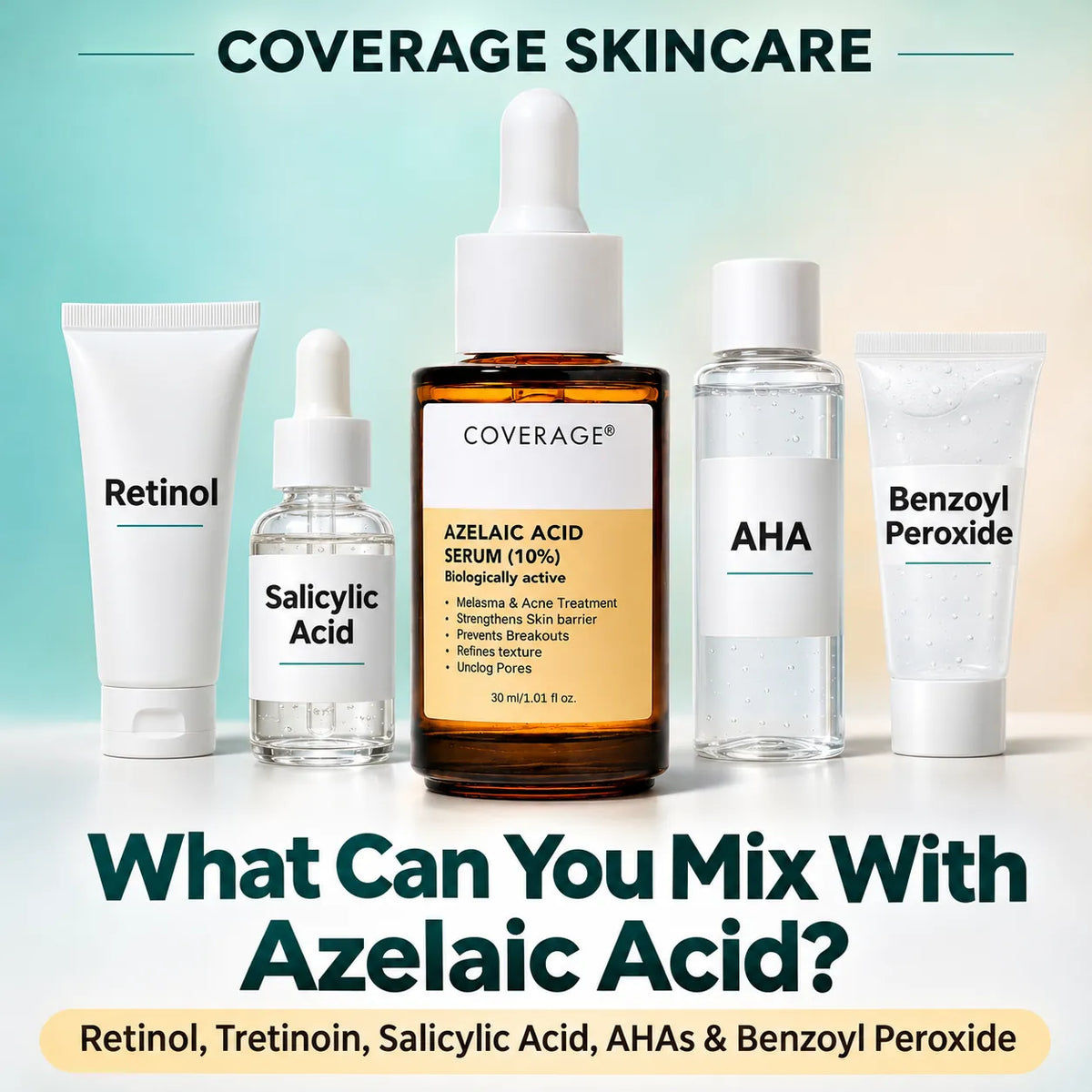
What Can You Mix With Azelaic Acid? Retinol, Tretinoin, Salicylic Acid, AHAs and Benzoyl Peroxide
You bought azelaic acid for acne, daag dhabbe, chaiyan or redness. Now your shelf has a retinol, maybe a salicylic face wash, a glycolic toner or a benzoyl peroxide gel your dermatologist prescribed. So the real question is simple: what can you mix with azelaic acid, and what is just going to burn?
Most articles answer this in one of two ways. Some say "you can mix azelaic acid with anything". Others give you a scary list of things you must never combine. Neither is backed by the research. We went through the drug labels, the American Academy of Dermatology guideline and the actual combination studies, pairing by pairing. Here is what the evidence really says, written for brown skin, Pakistani heat and real routines.
What can you mix with azelaic acid? Azelaic acid can be used alongside retinol, tretinoin, salicylic acid, glycolic acid, lactic acid, benzoyl peroxide, niacinamide, vitamin C and sunscreen. No study shows any of them chemically cancels azelaic acid out. The real risk is irritation from stacking too many actives, which on brown skin can itself cause new dark marks. Start azelaic acid alone, add one active at a time, and keep strong actives apart by morning and night or on alternate nights.
In this guide
- Quick compatibility table
- What azelaic acid is, and why strength matters
- Chemistry vs irritation: the real issue
- Azelaic acid and retinol
- Azelaic acid and tretinoin
- Azelaic acid and salicylic acid
- Azelaic acid and AHAs (glycolic, lactic, mandelic)
- Azelaic acid and benzoyl peroxide
- Ingredients that make azelaic acid easier to use
- What to be careful combining
- Routine examples
- How to introduce more than one active
- Pregnancy and breastfeeding
- Common mistakes
- FAQs
Quick answer: what can you mix with azelaic acid? (compatibility table)
A simple green and red chart would be misleading, because the evidence is very different for each pairing. This table shows whether each combination has actually been studied, the easiest way to schedule it, and what to watch for.
| Ingredient | Use with azelaic acid? | Combination studied? | Easiest schedule | Watch for |
|---|---|---|---|---|
| Retinol (cosmetic) | Yes | No trial of the pair | Azelaic AM, retinol PM, or alternate nights | Dryness, peeling from retinol |
| Tretinoin (prescription) | Yes, with your prescriber | Yes, small studies in melasma and acne | As prescribed, often azelaic AM, tretinoin PM | More irritation; avoid in pregnancy |
| Salicylic acid (BHA) | Yes | Only as an in-clinic peel | Salicylic wash or AM, azelaic PM | Dryness, tightness |
| Glycolic acid (AHA) | Yes, carefully | Yes, for pigmentation in darker skin | Alternate nights | Stinging, sun sensitivity |
| Lactic acid (AHA) | Yes | No trial of the pair | Alternate nights | Same as glycolic, usually milder |
| Mandelic acid and PHAs | Yes | Only in clinic peels | Alternate nights | Over-exfoliation |
| Benzoyl peroxide | Yes | Compared head to head, some combination data | Azelaic AM, BPO PM or as a short wash | Dryness, bleached towels |
| Niacinamide | Yes | No trial needed for tolerance | Same routine is fine | Very little |
| Vitamin C | Yes | No trial of the pair | Vitamin C AM, azelaic PM | Stinging with low-pH vitamin C |
| Hyaluronic acid, ceramides, glycerin, panthenol | Yes, recommended | Supportive, not treatment | Same routine | Nothing meaningful |
| Sunscreen | Essential | Used in every pigmentation trial | Every morning | Nothing |

First, what is azelaic acid, and why does the strength matter?
Azelaic acid is a dicarboxylic acid found naturally in grains like wheat, rye and barley, and made in small amounts by your own skin. In skincare it does four useful jobs at once: it reduces acne bacteria, calms inflammation, helps keep pores from clogging, and slows tyrosinase, the enzyme that makes pigment. That is why one ingredient shows up in conversations about keel muhase, post-acne marks, chaiyan and redness.
Strength matters for this article because almost every combination study used prescription-strength azelaic acid, 15% gel or 20% cream. Cosmetic serums are usually 10%. The only 10% versus 20% acne trial we found used a specialised 10% nanocrystal hydrogel and reported results comparable to 20% cream, with fewer side effects, according to a 2024 review in Clinical, Cosmetic and Investigational Dermatology (Feng et al.). That result applies to that specific vehicle. It does not prove every 10% serum matches a prescription cream, and we will not pretend it does.
The 2024 AAD acne guideline (Reynolds et al., JAAD) gives benzoyl peroxide and topical retinoids a strong recommendation and azelaic acid a conditional one. In plain English: azelaic acid is a legitimate, well-tolerated acne and pigmentation option, and it often works best as a team player rather than as the only treatment for moderate acne.
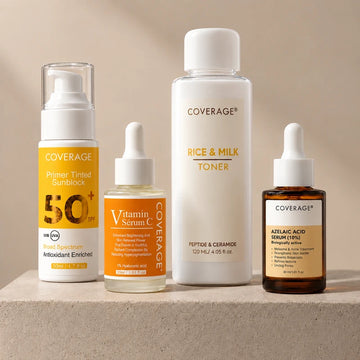
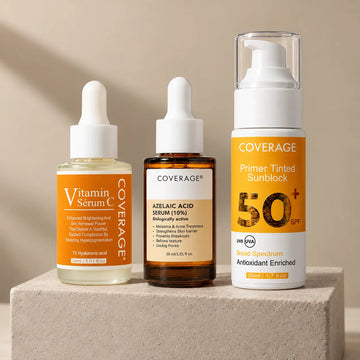
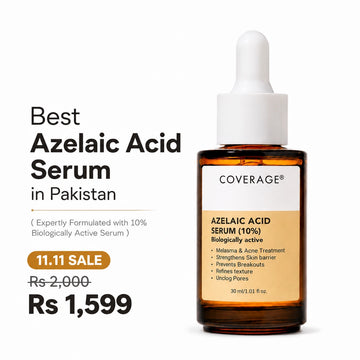
Where COVERAGE fits: our Azelaic Acid Serum 10% (Pigmentation, Melasma & Acne) is a lightweight, water-based 10% serum with aloe vera leaf extract first on the ingredient list, sodium hyaluronate and vitamin E. It has no fragrance, no alcohol and no propylene glycol, and it contains no niacinamide, no retinoid and no exfoliating acid. That last point matters here: because the serum carries only one active, it is easy to build around other products without doubling up.
See the Azelaic Acid 10% SerumFor the full comparison with prescription creams, read 10% serum vs 20% prescription cream. For everything azelaic acid does, see our complete azelaic acid guide.

Chemistry vs irritation: why "can I mix it?" is the wrong question
A lot of skincare advice warns that two acids will "cancel each other out" or "mess up the pH". For azelaic acid, we found no study showing that retinoids, AHAs, salicylic acid or benzoyl peroxide neutralise it or break it down. Azelaic acid does behave differently depending on the base it is in and the pH of that base, which is why formulas differ. But layering a different product on top is not the same thing as a chemical reaction in the bottle.
The problem that is real, and well documented, is cumulative irritation. Azelaic acid itself can sting, itch and dry the skin in the first few weeks. Retinoids cause dryness and peeling. Exfoliating acids thin out the outer layer of skin. Benzoyl peroxide dries. Stack three of these on the same night and you get burning, redness and a damaged skin barrier. The FDA prescribing information for azelaic acid 15% gel even advises avoiding other products that may further irritate the skin, such as astringents, abrasive cleansers and exfoliants.
Why this matters more for brown skin: in darker skin, inflammation often leaves a brown mark behind. Dermatologists call this post-inflammatory hyperpigmentation (PIH). So if you over-stack actives to fade dark spots, the irritation can create new dark spots. In Pakistani summers, heat, sweat and strong sun make a stressed barrier even more reactive. Fewer layers, done consistently, usually beat more layers done aggressively.
The same FDA label also asks prescribers to watch patients with darker complexions for early signs of skin lightening, because azelaic acid has not been studied much in darker skin. It is uncommon, but if a treated patch becomes lighter than your normal skin tone, stop and see a dermatologist.

Can you use azelaic acid with retinol?
Yes, but there is no direct evidence the pair works better together. We could not find a single published trial of azelaic acid combined with over-the-counter retinol. Some popular pages claim the two are "more effective together" and then cite a study that actually used tretinoin, which is a different, prescription-strength retinoid. That is not proof for retinol.
What we can say: there is no known chemical conflict, both target acne and uneven tone in different ways, and retinol is usually the one that causes dryness and peeling. So the sensible approach is about scheduling, not chemistry.
- Start one at a time. Use azelaic acid alone for two to four weeks before adding retinol, or the other way round.
- Split the day. Azelaic acid in the morning under sunscreen, retinol at night. This is the simplest option.
- Or alternate nights. Azelaic acid one night, retinol the next.
- Same night only once both are tolerated. If you want both at night, apply azelaic acid, let it absorb, then retinol, and add a moisturiser.
- Build retinol slowly. Two nights a week at first, then three, then more if your skin stays comfortable.
Skip retinol entirely if you are pregnant or trying to conceive.
Can you use azelaic acid and tretinoin together?
Yes, and this is one of the few pairings with real clinical data, but tretinoin is a prescription drug, so your prescriber's plan comes first. Tretinoin is far stronger than cosmetic retinol and does not need to be converted in the skin to work. That is why it gets its own section.
What the studies found:
- Melasma, 50 patients (Graupe et al., Journal of Dermatological Treatment, 1996): adding 0.05% tretinoin to 20% azelaic acid cream gave a faster response and more pronounced improvement in the first three months, and more excellent results by the end, than azelaic acid alone. It was a small, open-label study funded by the azelaic acid manufacturer.
- Melasma, 30 patients (Journal of Pakistan Association of Dermatologists, 2011): nightly 20% azelaic acid plus 0.05% tretinoin for 12 weeks reduced melasma scores by about 39%, with noticeable side effects. There was no comparison group.
- Comedonal acne, 289 patients (Katsambas et al., 1989): 20% azelaic acid was as effective as 0.05% tretinoin over six months and better tolerated. This compared the two rather than combining them.
How it is usually done: azelaic acid in the morning and tretinoin at night, or on alternate nights. Expect more dryness and peeling than with either alone, especially in the first month. Do not copy a friend's tretinoin routine, and do not change the strength or frequency your doctor set.
- Pregnancy: topical retinoids, including tretinoin, should be avoided in pregnancy. Azelaic acid is one of the actives commonly used instead. See our azelaic acid in pregnancy and breastfeeding guide.
- Tretinoin and benzoyl peroxide: this is the one well-documented chemical clash in this area, and it does not involve azelaic acid. In a 1998 laboratory study (Martin et al., British Journal of Dermatology), tretinoin mixed with benzoyl peroxide and exposed to light broke down by more than half within about two hours. Keep tretinoin and benzoyl peroxide at different times unless your doctor prescribed a product made to combine them.
What about adapalene?
Adapalene is another retinoid, stable alongside benzoyl peroxide and often prescribed for acne. A 9-month trial in 55 women (Thielitz et al., JEADV, 2015) compared 15% azelaic acid gel with 0.1% adapalene gel, and found adapalene caused more dryness and scaling. It compared the two rather than combining them, but in practice many dermatologists use azelaic acid in the morning and adapalene at night.

Can you use azelaic acid with salicylic acid?
Yes. They do not cancel each other out, but daily layering of the two has not been studied. Salicylic acid is an oil-soluble acid (BHA) that gets into pores and loosens blackheads and whiteheads. Azelaic acid works on bacteria, inflammation and pigment. On paper they complement each other, which is why they come up together so often for oily, acne-prone skin.
The only combination evidence is an in-clinic peel. In a split-face trial of 34 patients with skin types III to IV (Abdel Hay et al., Journal of Dermatological Treatment, 2019), a 20% salicylic plus 20% azelaic acid peel, done four times two weeks apart, improved acne about as well as a 25% TCA peel, and patients preferred it. Notably, 15% of patients developed hyperpigmentation on the TCA side. That is useful for brown skin, but a monthly clinic peel is not the same as layering two leave-on products every night.
Salicylic acid also gets only a conditional, low-certainty recommendation in the 2024 AAD acne guideline. It helps some people, but it is not the backbone of acne treatment.
You may already be combining them. Many acne face washes contain salicylic acid. A wash stays on the skin for under a minute, so it is the gentlest way to pair the two: cleanse, pat dry, then apply azelaic acid. If your skin feels tight or starts flaking, drop the salicylic wash to once a day.
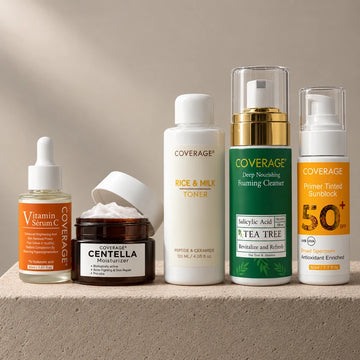
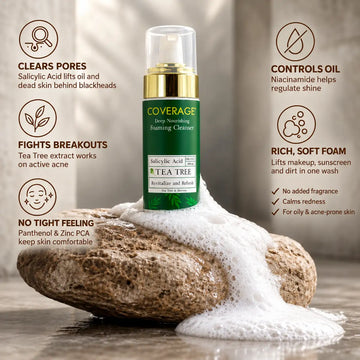
A COVERAGE pairing that already works this way: our Deep Nourishing Foaming Cleanser lists salicylic acid second in its formula, with tea tree, niacinamide, panthenol and zinc PCA. Use it to cleanse at night, then follow with the Azelaic Acid 10% Serum. If you also use a leave-on salicylic toner or serum, keep that for the morning instead of stacking it on the same night.
See the Foaming CleanserCan you use azelaic acid with AHAs like glycolic and lactic acid?
Alpha hydroxy acids (AHAs) exfoliate the surface of the skin. They can help with dullness, rough texture and dark spots, and they also make the skin more sensitive to sun. Not all AHAs are the same, so we cover them separately.
Azelaic acid and glycolic acid
This pair has some of the best evidence for pigmentation in darker skin, but it needs the most care. In a 24-week controlled trial in darker-skinned patients with facial hyperpigmentation (Kakita and Lowe, Clinical Therapeutics, 1998), 20% azelaic acid cream used with a 15% or 20% glycolic acid lotion gave results comparable to 4% hydroquinone cream on lesion size, pigment intensity and overall improvement.
Two honest limits. First, that trial used prescription-strength azelaic acid and strong glycolic lotions under supervision, not a 10% serum and a shop-bought toner. Second, glycolic acid is the most irritating AHA because its molecule is small and penetrates fast. So at home:
- Use glycolic acid on alternate nights, not on the same night as azelaic acid, at least at first.
- Start glycolic acid once or twice a week and only increase if your skin stays calm.
- Wear a broad-spectrum sunscreen every single morning. Exfoliated skin plus Pakistani sun is a fast route to darker marks.
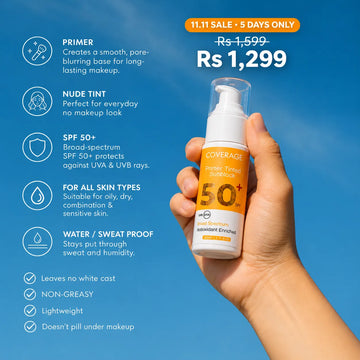
For daag dhabbe and chaiyan: a realistic home plan is the Azelaic Acid 10% Serum most nights, an AHA no more than a few nights a week if your skin tolerates it, and the Primer Tinted Sunblock SPF 50+ every morning. Its iron oxide tint adds protection against visible light, which also drives melasma. Fading pigment takes months, not days. Read how long azelaic acid takes to work for a realistic timeline.
See the melasma and dark spots setAzelaic acid and lactic acid
Lactic acid is a larger AHA molecule that tends to be gentler than glycolic acid and also helps hold water in the skin. That makes it a reasonable partner on paper. But no clinical trial has tested it with azelaic acid. A 2025 review in the Journal of Cutaneous and Aesthetic Surgery proposed combining salicylic, azelaic and lactic acids for oily skin, while stating that clinical data remain limited. Treat it as plausible but untested: alternate nights, start slowly.
Mandelic acid and other AHAs or PHAs
Mandelic acid has appeared with azelaic and salicylic acid in professional in-clinic exfoliant mixtures, for example in a 2020 study of 120 women with acne (Chilicka et al.). There is no evidence for daily home layering. PHAs such as gluconolactone are milder still. The same rule applies: one exfoliant at a time, alternate nights.

Can you use benzoyl peroxide and azelaic acid together?
Yes. There is no known chemical reaction between them, and it is a logical acne pairing. Benzoyl peroxide kills acne bacteria by releasing oxygen inside the pore, and the 2024 AAD guideline gives it a strong recommendation. Azelaic acid adds anti-inflammatory and anti-pigment benefits that benzoyl peroxide does not have.
- Head-to-head trial, 351 patients (Gollnick et al., 2004): 15% azelaic acid gel reduced inflamed acne lesions by a median of 70% versus 71% for 5% benzoyl peroxide gel, with noticeably fewer side effects than benzoyl peroxide.
- Cochrane review, 2020: looking at the same data, azelaic acid was probably slightly less effective than benzoyl peroxide on how much patients felt they improved, but caused much less peeling.
- Combination studies summarised in JAAD (Webster, 2000): azelaic acid's results improved when it was used together with benzoyl peroxide 4% gel, clindamycin, tretinoin or an erythromycin and benzoyl peroxide gel.
How to use them together:
- Azelaic acid in the morning and benzoyl peroxide at night is the simplest split.
- Or use benzoyl peroxide as a short-contact wash: leave it on for a minute or two, rinse, then apply azelaic acid.
- Start low. 2.5% to 5% benzoyl peroxide is usually enough and less drying than 10%.
- Benzoyl peroxide bleaches towels, pillowcases and dupattas. Use white fabric or let it dry fully first.
- If you also use tretinoin, keep it away from benzoyl peroxide in time (see above).

For a full acne plan built for Pakistani skin, see keel muhase ka ilaj and the best products for acne in Pakistan.
Which ingredients make azelaic acid easier to use?
These are not treatment actives. Their job is to keep your skin comfortable so you can keep using the actives that do the work.
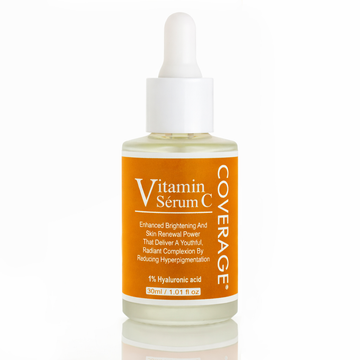
- Niacinamide: calming, helps with oil and tone, and is not an exfoliant, so it sits happily in the same routine. Note that our Azelaic Acid 10% Serum does not contain niacinamide, while our Vitamin C + 1% HA Serum does. For the full comparison, read niacinamide vs azelaic acid.
- Hyaluronic acid and glycerin: pull water into the skin and cut the tight feeling actives can leave.
- Ceramides: part of the skin's own barrier. Useful whenever you add a retinoid or an acid. See ceramide vs hyaluronic acid.
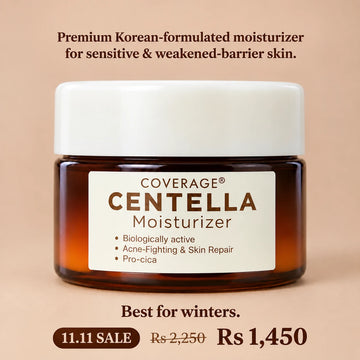
- Panthenol and centella: soothing ingredients many people find helpful during the first weeks of a new active. Our Centella Moisturizer is built around barrier repair.
- Vitamin C: no trial has tested it with azelaic acid, and there is no known conflict. The easy split is vitamin C in the morning and azelaic acid at night. More in azelaic acid vs vitamin C.
- Sunscreen: non-negotiable. Azelaic acid is not known to make skin more sun-sensitive the way AHAs do, but every pigmentation trial paired treatment with sunscreen. Without it, sun keeps re-darkening marks faster than any serum can fade them. See sunscreen for oily, acne-prone skin.
What should you be careful mixing with azelaic acid?
There is no ingredient that "must never" touch azelaic acid. But these situations cause most of the trouble:
- Two or more exfoliants on the same night, for example azelaic acid plus glycolic toner plus a salicylic serum.
- Starting several new actives in the same week. If your skin reacts, you will not know which one caused it.
- Scrubs, peeling gels and at-home peels while using azelaic acid with a retinoid.
- Freshly threaded, waxed, sunburnt or broken skin. Wait until it has calmed down.
- Stacking prescription treatments (tretinoin, adapalene, prescription benzoyl peroxide or antibiotic gels) without your doctor's plan.
- Unlabelled "formula" creams for gorapan or chaiyan. Some contain steroids or mercury and damage the skin barrier.
Azelaic acid routine examples for every skin type
These are examples, not prescriptions. Introduce one product at a time, and if you are under a dermatologist's care, follow their plan.

Beginner, new to actives
Morning: gentle cleanse, moisturiser, sunscreen.
Night: gentle cleanse, Azelaic Acid 10% Serum every other night for the first one to two weeks, then nightly, moisturiser on top. Add nothing else for at least a month.
Oily, acne-prone skin
Morning: water rinse or gentle cleanse, light moisturiser, Primer Tinted Sunblock SPF 50+.
Night: Deep Nourishing Foaming Cleanser (salicylic acid), Azelaic Acid 10% Serum, light moisturiser. If acne is more than mild, add benzoyl peroxide in the morning or as a short wash, as discussed above.
Pigmentation, daag dhabbe or chaiyan
Morning: gentle cleanse, Vitamin C + 1% HA Serum, moisturiser, Primer Tinted Sunblock SPF 50+ reapplied when outdoors.
Night: gentle cleanse, Azelaic Acid 10% Serum, moisturiser. Once settled, a glycolic or lactic acid one or two nights a week, on nights without azelaic acid. Our chaiyan ka ilaj guide covers melasma in more depth.
Already using retinol
Morning: gentle cleanse, Azelaic Acid 10% Serum, moisturiser, sunscreen.
Night: gentle cleanse, retinol, a richer moisturiser. Keep exfoliating acids out until both are comfortable.
Prescribed tretinoin
Follow your prescriber. A commonly used pattern is azelaic acid in the morning under sunscreen and tretinoin at night, with a moisturiser and no exfoliating acids. Ask your doctor before adding azelaic acid at all, and never on the same night as benzoyl peroxide if you use tretinoin.
Sensitive or reactive skin
Morning: water rinse, Centella Moisturizer, mineral sunscreen.
Night: gentle cleanse, a moisturiser first as a buffer, then Azelaic Acid 10% Serum every other night. Skip retinoids and acids until the barrier is strong. More in our sensitive skin barrier repair guide.

For the exact order of steps and how much to apply, see how to use azelaic acid serum.

Why we built our azelaic acid serum this way
We make the COVERAGE Azelaic Acid Serum 10% at our own family-owned manufacturing facility in Lahore, built on around 40 years in skincare manufacturing. The facility is GMP and ISO 9001 certified, our products are Halal certified and cruelty-free, and our in-house chemical engineers use the highest-grade raw materials we can source. More than 72,000 orders have gone out across Pakistan, with cash on delivery nationwide.
The formula is deliberately simple, so it fits into the routines above:
- Full INCI: Aloe Barbadensis Leaf Extract, Aqua, Azelaic Acid, Propanediol, Bis-Ethoxydiglycol, Xylitylglucoside, Isohexadecane, Polysorbate 60, Sodium Hyaluronate, Tocopheryl Acetate, Phenoxyethanol, Triethylene Glycol.
- One active, 10% azelaic acid, so you control what else goes on your skin.
- A lightweight water-based texture made for humid weather, that layers under sunscreen without pilling.
- No fragrance, no alcohol, no propylene glycol.
It is designed to help with keel muhase, post-acne marks, daag dhabbe, chaiyan and uneven tone. If you have moderate to severe acne or stubborn melasma, a dermatologist may recommend prescription 15% or 20% azelaic acid or other treatments alongside it.
See the Azelaic Acid 10% SerumSee the Acne Care & Sun Protection setHow do you safely introduce more than one active?
- Patch test first. Apply a little on the jawline or behind the ear for two to three nights. It shows an allergy or strong reaction, but it cannot predict how your whole face will handle a full routine.
- Start azelaic acid alone for two to four weeks, every other night at first, then nightly.
- Add the second active two nights a week, on nights without azelaic acid or at the other time of day.
- Increase slowly over the next few weeks only if your skin stays comfortable.
- Mild tingling in the first weeks is normal. Burning that lasts, visible peeling, swelling or a rash is not. Drop back to the last routine your skin tolerated.
- Stop and see a dermatologist if irritation does not settle within a few days of cutting back, if patches become lighter than your normal skin, or if acne is cystic or scarring.
For what is normal and what is not, read azelaic acid side effects.

Pregnancy and breastfeeding: each active is different
Do not assume one rule fits every ingredient on this list.
- Azelaic acid: the FDA label for 15% gel states it is minimally absorbed and maternal use is not expected to result in fetal exposure. NIH LactMed rates it low risk while breastfeeding. Never apply it to the breast or nipple.
- Retinol, tretinoin, adapalene: topical retinoids should be avoided in pregnancy, according to the EADV. If you used one before you knew you were pregnant, stop and tell your doctor; short accidental use is unlikely to cause harm.
- Salicylic acid: AAD guidance accepts it in pregnancy only over limited areas and for limited time. A wash-off cleanser is a much smaller exposure than a leave-on product or a peel, but ask your gynae.
- Benzoyl peroxide: a 2023 review in Dermatology and Therapy lists it among options used in pregnancy, and notes azelaic acid can be combined with it.
- Glycolic and lactic acid: the MSD Manual lists glycolic acid peels as safe in pregnancy. Lower-strength home products are a smaller exposure still.
Pregnancy and breastfeeding guidance are not identical, and your own doctor knows your history. Show them the ingredient list before you start.

Common mistakes when mixing azelaic acid
- Starting everything at once. Three new actives in one week is the fastest way to a damaged barrier.
- Treating tretinoin evidence as retinol proof. They are different strengths and work differently.
- More acids for faster results. On brown skin, over-exfoliation often means new dark marks.
- Calling irritation "purging". Purging is not a documented effect of azelaic acid. Stinging, itching and redness are irritation.
- Skipping sunscreen. Every pigmentation result depends on it.
- Pushing through burning. Back off, then rebuild slowly.
- Copying someone else's prescription routine. Their tretinoin strength and diagnosis are not yours.
- Expecting a 10% serum to work like a prescription 20% cream overnight. Consistency over weeks is what counts.
Frequently asked questions
Can I use azelaic acid with retinol?
Yes. There is no known chemical conflict, but no published trial has tested azelaic acid with cosmetic retinol, so any extra benefit is unproven. Start each one separately, then use azelaic acid in the morning and retinol at night, or alternate nights. Retinol causes most of the dryness, so build it up slowly.
Can I use azelaic acid and tretinoin together?
Yes, under your prescriber's guidance. Small studies in melasma found that adding 0.05% tretinoin to 20% azelaic acid cream gave faster and stronger lightening, with more irritation. Follow your doctor's schedule, often azelaic acid in the morning and tretinoin at night. Do not use tretinoin in pregnancy.
Can I use azelaic acid with salicylic acid?
Yes. They work differently and do not cancel each other out, but both can dry the skin. The only combination study tested an in-clinic peel, not daily layering, so keep them apart at first: salicylic acid in the morning or as a cleanser, azelaic acid at night.
Can I use azelaic acid after a salicylic acid face wash?
Yes, this is the gentlest way to combine them. A wash-off salicylic cleanser stays on the skin for under a minute. Pat dry, then apply azelaic acid. If you notice tightness or flaking, use the salicylic wash once a day instead of twice.
Can I use azelaic acid with glycolic acid?
Yes, and this pair has some of the best evidence for pigmentation. In a 24-week trial in darker-skinned patients, 20% azelaic acid cream with a 15 to 20% glycolic lotion worked about as well as 4% hydroquinone. At home, use them on alternate nights, because glycolic acid adds irritation and sun sensitivity.
Can I use azelaic acid with lactic acid?
Yes. Lactic acid is usually gentler than glycolic acid, but no clinical trial has tested it with azelaic acid. Use them on alternate nights, start lactic acid once or twice a week and wear sunscreen every morning.
Can I use azelaic acid with benzoyl peroxide?
Yes. There is no known reaction between them, and the AAD strongly recommends benzoyl peroxide for acne. A common split is azelaic acid in the morning and benzoyl peroxide at night, or a short-contact benzoyl peroxide wash. Watch for dryness, and remember benzoyl peroxide bleaches fabric.
Can I use azelaic acid with niacinamide?
Yes. Niacinamide is not an exfoliant and is generally well tolerated, so it can sit in the same routine. COVERAGE Azelaic Acid 10% Serum does not contain niacinamide, while the COVERAGE Vitamin C + 1% HA Serum does.
Can I use azelaic acid with vitamin C?
Yes. No trial has tested the two together, but there is no known conflict. The simplest split is vitamin C in the morning under sunscreen and azelaic acid at night. If you use both together, apply the lighter vitamin C first.
Can I use azelaic acid every day?
Many people can, once their skin has adjusted. Start every other night for the first one to two weeks, then move to nightly, and to twice daily only if your skin stays comfortable. Mild tingling at first is common; burning or peeling means slow down.
Should I use azelaic acid in the morning or at night?
Either works. Azelaic acid is not known to make skin more sun-sensitive the way AHAs do, so it can go in the morning under sunscreen. If you use retinol, tretinoin or an exfoliating acid at night, morning azelaic acid keeps the actives apart.
Does azelaic acid cause purging?
Purging is not a documented effect of azelaic acid in its drug labels or the reviews we checked. Early stinging, itching, dryness and redness are recognised side effects and usually settle in a few weeks. If breakouts keep getting worse after several weeks, or you get a rash, stop and see a dermatologist.
Can azelaic acid damage my skin barrier?
On its own, azelaic acid is usually well tolerated, though it can cause dryness and stinging at first. Barrier damage usually happens when it is stacked too quickly with retinoids and exfoliating acids. Use a moisturiser, cut back the other actives and stop if burning lasts.
The bottom line
So, what can you mix with azelaic acid? Almost everything on your shelf, as long as you respect your skin. Tretinoin, glycolic acid and benzoyl peroxide have real combination or head-to-head data, mostly at prescription strength. Retinol, lactic acid and salicylic acid layering rest on good logic rather than trials. None of them chemically cancels azelaic acid, but stacking them too fast causes irritation, and on brown skin irritation leaves marks. Start with azelaic acid alone, add one active at a time, split strong actives between morning and night, moisturise, and wear sunscreen every day.
If you are looking for a simple, single-active azelaic acid to build that routine around, our Azelaic Acid 10% Serum was made for exactly this.
See the Azelaic Acid 10% SerumSee the Primer Tinted Sunblock SPF 50+Sources
- Reynolds et al. Guidelines of care for the management of acne vulgaris, JAAD 2024
- Feng et al. Azelaic acid: mechanisms of action and clinical applications, Clin Cosmet Investig Dermatol 2024
- FINACEA (azelaic acid) 15% prescribing information, DailyMed
- NIH LactMed: Azelaic Acid
- Graupe et al. Combined use of 20% azelaic acid cream and 0.05% tretinoin cream in melasma, J Dermatol Treat 1996
- Siddique MR et al. Azelaic acid 20% with tretinoin 0.05% in melasma, Journal of Pakistan Association of Dermatologists 2011;21(4):265-269
- Katsambas et al. Azelaic acid vs tretinoin in comedonal acne, Acta Derm Venereol 1989
- Thielitz et al. Azelaic acid 15% gel vs adapalene 0.1% gel, JEADV 2015
- Abdel Hay et al. Salicylic-azelaic acid peel vs TCA peel in acne, J Dermatolog Treat 2019
- Kakita and Lowe. Azelaic acid with glycolic acid vs hydroquinone in darker-skinned patients, Clin Ther 1998
- Gollnick et al. Azelaic acid 15% gel vs benzoyl peroxide and clindamycin, JDDG 2004
- Cochrane review: topical treatments for acne, 2020
- Webster. Combination azelaic acid therapy for acne vulgaris, JAAD 2000
- Martin et al. Chemical stability of adapalene and tretinoin with benzoyl peroxide, Br J Dermatol 1998
- Chilicka et al. Azelaic, mandelic and salicylic acid exfoliant in acne, 2020
- Ly et al. Treatment of acne vulgaris during pregnancy and lactation, Dermatol Ther 2023
- American Academy of Dermatology: acne treatment during pregnancy
- EADV: Acne in pregnancy patient leaflet, 2023
- MSD Manual: Melasma
This guide is written by the COVERAGE editorial team for general education. It is not a substitute for advice from your dermatologist or doctor, especially if you use prescription treatments or are pregnant.
This article is for general informational purposes only and is not a substitute for professional medical advice. All information and claims referenced above are drawn from publicly available dermatological studies and expert sources. Always consult a dermatologist for advice specific to your skin.


Leave a comment
This site is protected by hCaptcha and the hCaptcha Privacy Policy and Terms of Service apply.