
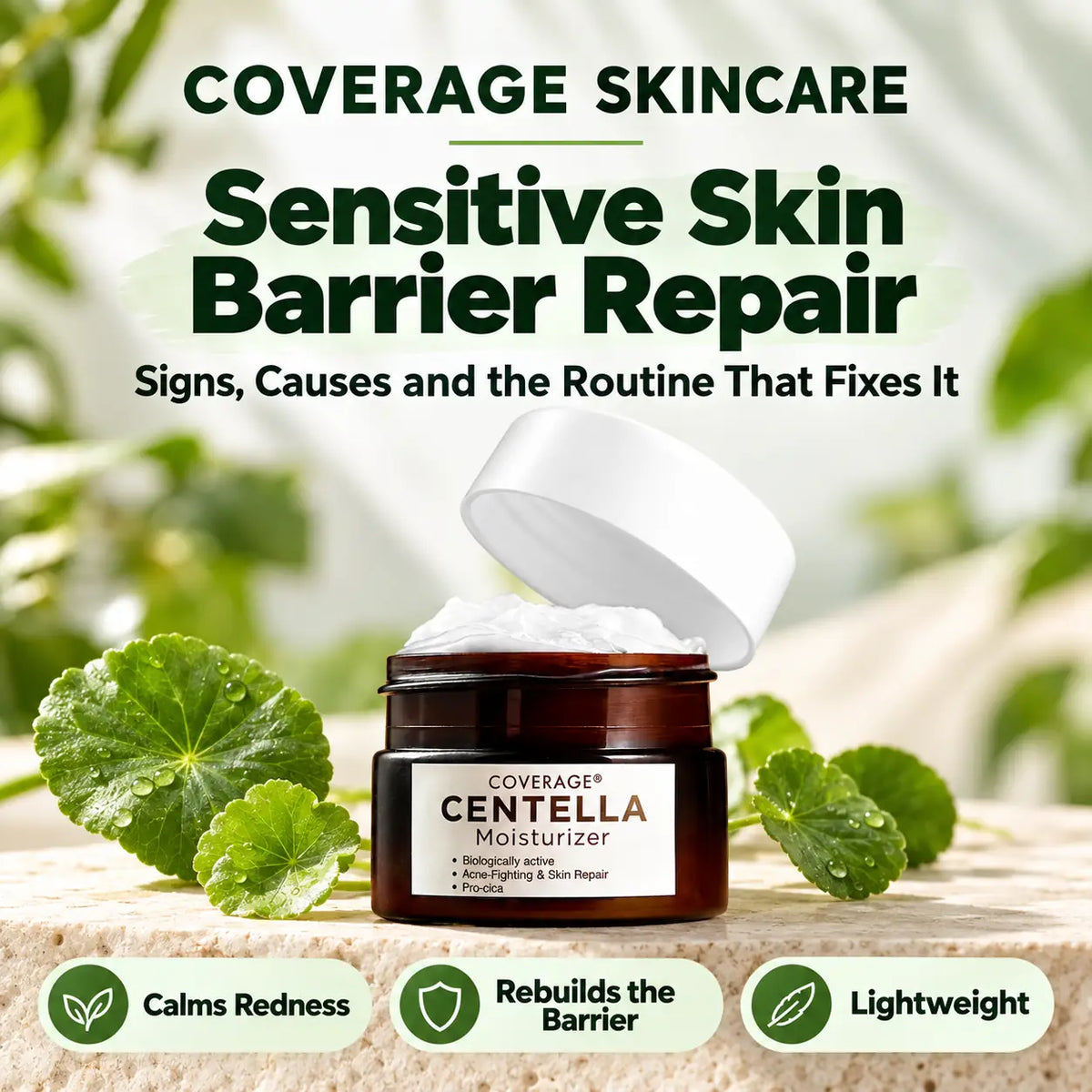
Sensitive Skin Barrier Repair in Pakistan: Signs of a Damaged Skin Barrier, Causes and the Routine That Fixes It (2026)
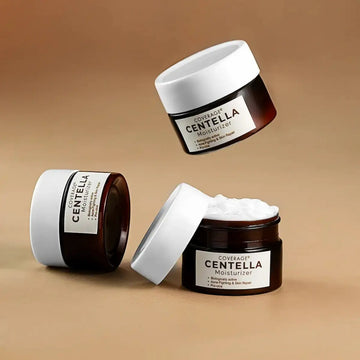
Short answer: to repair a damaged skin barrier, stop scrubs, peels and retinoids for a few weeks, wash with lukewarm water and a gentle face wash, use a barrier repair moisturizer with ceramide twice a day, and wear sunscreen every morning. Mild irritation often feels better within two to four weeks. In Pakistan, where the sun is strong and most of the year is hot, the moisturizer also has to be light enough to wear every day. The COVERAGE Centella Moisturizer is our barrier repair moisturizer, with Centella Asiatica, Ceramide, Niacinamide and Panthenol in a lightweight base.
This guide explains what the skin barrier is, the signs and symptoms of a damaged skin barrier, what damages it in Pakistan, and a simple sensitive skin barrier repair routine you can start today. Last updated: October 2026.
Skin barrier repair: quick facts
- What the skin barrier is: the outermost layer of your skin. It keeps water in and irritants out.
- Signs it is damaged: stinging when you apply products, tightness after washing, redness, flaking, and skin that stays dry even after moisturizer.
- Common causes: harsh washing, too much exfoliation, strong actives started too fast, steroid or mixed whitening creams, sun, heat and dry air.
- The fix: fewer products, a gentle face wash, a barrier repair moisturizer and daily sunscreen.
- How long it takes: mild irritation often eases in two to four weeks. Longer-standing damage can take a few months.
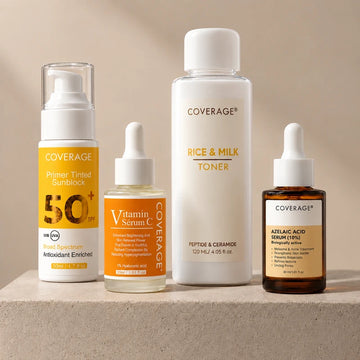
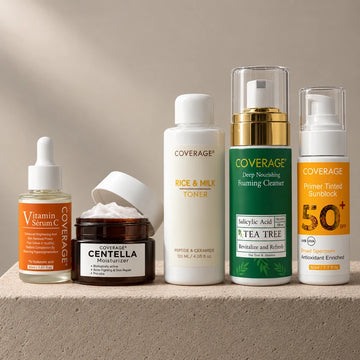
- Our routine for it: COVERAGE Rice and Milk Toner, Centella Moisturizer and Primer Tinted Sunblock SPF 50+.
This article is general information, not medical advice. If your skin is very painful, swollen or not improving, please see a dermatologist.
What does sensitive skin barrier repair mean?
Sensitive skin barrier repair means giving the outer layer of your skin what it needs to rebuild itself. Your skin does the repairing. Skincare has two jobs: stop the things that are harming the barrier, and supply water, lipids and comfort while the skin renews.
That is why a barrier repair routine is short. In most cases, you repair a damaged skin barrier by taking products away, not by adding more.
What is the skin barrier?
The skin barrier is the stratum corneum, the thin outermost layer of your skin. Dermatologists often describe it as a brick wall.
- The bricks are flat skin cells called corneocytes.
- The mortar is a mix of natural fats, called lipids, that fills the gaps between the cells.
When the mortar is complete, the wall holds water in and keeps irritants out. When the mortar is worn away, tiny gaps open. Water escapes faster, and things that touch your skin reach the living layers underneath more easily. That is what you feel as stinging.

Ceramides, cholesterol and fatty acids
The mortar is made of three kinds of lipid. A review in the Journal of Investigative Dermatology gives their share by weight as about 45 to 50% ceramides, about 25% cholesterol and about 10 to 15% free fatty acids. Ceramides are the largest part, which is why a ceramide moisturizer is the centre of most barrier repair routines.
Natural moisturizing factor and skin pH
Inside the skin cells sit small water-holding molecules called natural moisturizing factor. They include amino acids, PCA, urea and lactate, and they keep the cells soft instead of brittle.
The surface of healthy skin is also slightly acidic. A study of 330 people measured skin surface pH at just under 5 and estimated natural skin pH at about 4.7 on average. The skin’s own barrier-building enzymes work best in that acidic range. Bar soap is alkaline, so a gentle face wash is kinder to the barrier than soap.
Water loss through the skin
Water leaves your skin all day as invisible vapour. Scientists call this transepidermal water loss, or TEWL, and they measure it with a probe to judge how well the barrier is working. A healthy barrier keeps water loss low. A damaged barrier lets more water out, which is why damaged skin feels dry and tight however much water you drink.
Sensitive skin vs a damaged skin barrier
Sensitive skin and a damaged skin barrier are related, but they are not the same thing.
- Sensitive skin is skin that stings, burns or itches easily, often with nothing to see. In a 2019 review in Frontiers in Medicine, about 60 to 70% of women and 50 to 60% of men reported having some degree of sensitive skin.
- A damaged skin barrier is a physical loss of lipids in the outer layer, which raises water loss.
- A damaged barrier can make any skin sensitive for a while, even skin that has always been tough.
- Some skin conditions, such as eczema, rosacea and contact dermatitis, look very similar and need a doctor.
Why does this matter? Skin with a damaged barrier needs a short repair routine and can usually go back to its normal products afterwards. Naturally sensitive skin needs a gentle routine for the long term. Our guide to sensitive-skin-safe skincare in Pakistan covers that in full.
Signs and symptoms of a damaged skin barrier
The most common signs of a damaged skin barrier are these:
- stinging or burning when you apply products that used to feel fine
- tightness straight after washing your face
- new redness, sometimes in patches
- flaking, rough patches or uneven texture
- skin that feels dry again soon after moisturizer
- skin that looks dull and tired
- small breakouts that appear without any change in your routine
There is no home test for the skin barrier, and these signs can also come from other skin conditions. Treat them as a signal to simplify your routine and watch how your skin responds.

What damages the skin barrier?
Most everyday barrier damage comes from habits, which is good news, because habits can be changed.
Harsh washing
Washing too often, with very hot water, with rubbing, or with soap removes the mortar along with the dirt. A review in Dermatologic Therapy found that high pH makes the outer layer of skin swell, and that harsh cleansing agents interact strongly with skin proteins. That tight, squeaky feeling after washing is not a sign of clean skin. It is the first sign of a stripped barrier.
Too much exfoliation
Acids, scrubs, peels and cleansing brushes all remove surface cells. Used now and then, they help. Used every day, or layered on top of each other, they remove the barrier faster than the skin can rebuild it. The American Academy of Dermatology also warns that exfoliating while using retinoids or benzoyl peroxide may worsen dry skin.
Retinoids and acne treatments started too fast
Retinoids are among the best-studied ingredients in skincare. In the first weeks they can cause dryness, flaking and stinging. A 2017 review found that this irritation usually peaks in the first one to two weeks and then eases. The usual problem is not the ingredient. It is starting several strong products in the same week.
Steroid creams and mixed whitening creams
This is a major cause in Pakistan, and it is rarely discussed. Many mixed whitening creams, often called formula creams, contain strong steroids. Used on the face for months, they thin the skin and leave it red, burning and very reactive.
In a study of 200 patients at a Lahore hospital with steroid damage on the face, half had used steroids mixed with fairness creams, a third had used strong steroid creams alone, and 64% had started on the advice of friends or relatives.
If you have used such a cream for a long time, please do not stop it suddenly on your own. See a dermatologist. Dermatology bodies warn that strong steroids used for a long time can make it harder for the skin to recover, and a doctor can guide you through stopping safely.
Sun, heat and dry air in Pakistan
- Sun. The UV index reaches 11 or higher in summer in Lahore, Islamabad and Karachi, and it stays high enough in winter to need sunscreen. UV adds to irritation and dark marks.
- Heat and humidity. Heavy creams feel uncomfortable in a Pakistani summer, so many people stop moisturizing just when their skin needs it. A light moisturizer solves this.
- Air conditioning. Hours in dry, cooled air pull water out of the skin.
- Frequent washing. Heat and sweat make us wash our faces more often, which brings us back to the first cause.
- Winter. Low humidity dries skin out, and tightness and flaking get worse.
- Hard water. A 2018 study of 80 people found that hard water left more cleanser residue on the skin and added to water loss and irritation. Rinse well.
Too many products
Long routines with several actives give the skin no quiet time to settle. When a routine stops working, the best move is usually to take something away.
Ingredients that support skin barrier repair
No single ingredient repairs a barrier. A good barrier repair cream works on several things at once: water, lipids, calm and comfort.
| Ingredient | What it does | Where you find it in our range |
|---|---|---|
| Ceramide | Replaces the main lipid in the skin’s mortar. In a 2018 study of 50 adults, a ceramide cream raised skin hydration for 24 hours. | Centella Moisturizer, Rice and Milk Toner |
| Niacinamide | Supports the skin’s own lipid production. In a study in the British Journal of Dermatology, it raised ceramide production four to five times in cultured skin cells, and on dry skin it raised ceramide levels and lowered water loss. | Centella Moisturizer |
| Centella asiatica (cica) | Calms reactive skin. Its compounds have been studied for soothing, wound healing and skin hydration. | Centella Moisturizer |
| Panthenol | Holds water and eases the tight, raw feeling. | Centella Moisturizer, Rice and Milk Toner |
| Glycerin and Sodium Hyaluronate | Humectants. They draw water into the upper layers of the skin. | Rice and Milk Toner, Centella Moisturizer, Hydra Therapy Moisturizer |
| Squalane, jojoba oil and shea butter | Emollients. They soften the surface and fill the gaps between skin cells. | Centella Moisturizer, Hydra Therapy Moisturizer |

Why the formula matters as much as the ingredient
An ingredient on a label is only the start. How a product performs also depends on things you cannot read on the box:
- The base. Barrier lipids need to be delivered in a form the skin can use.
- Stability. A formula has to stay stable through a Pakistani summer.
- The supporting ingredients. Calming and hydrating ingredients make a product easier for reactive skin to accept.
- Texture. A barrier cream only works if you can wear it every day in the heat.
- The rest of the routine. A good moisturizer cannot make up for harsh washing twice a day.
This is how we build at COVERAGE. We start with the skin concern, then choose the ingredients, then build a texture people will actually wear.
What to pause while your skin barrier heals
- Pause leave-on acids, peels, scrubs and retinoids. They will still be there in a few weeks.
- Pause strong vitamin C and other strong actives if they sting. Bring them back once your skin is calm.
- Add nothing new. If you must, add one product at a time.
- Use lukewarm water. The American Academy of Dermatology advises lukewarm water, fingertips only, and patting dry with a soft towel.
- Go easy on strong fragrance if your skin reacts easily.
- Skip steam, hot showers and parlour facials with scrubs or peels until your skin has settled.
A simple sensitive skin barrier repair routine
The goal is the smallest routine that cleans without stripping, adds water, supports the barrier and protects it.
| Step | Morning | Evening |
|---|---|---|
| 1. Cleanse | A plain rinse with lukewarm water is enough. | A gentle face wash, massaged in with fingertips for 30 seconds, then rinsed well. |
| 2. Hydrate | Rice and Milk Toner, pressed into slightly damp skin. | Rice and Milk Toner again. |
| 3. Repair | Centella Moisturizer. | Centella Moisturizer. Most of the repair work happens overnight. |
| 4. Protect | Primer Tinted Sunblock SPF 50+. | Not needed. |
That is the whole routine. It looks plain, and that is why it works. There is very little in it for your skin to react to.

A week-by-week plan
| When | What to do | What you may notice |
|---|---|---|
| Week 1 | Full reset. Stop acids, scrubs and retinoids. Follow the four-step routine only. | Less tightness after washing. |
| Weeks 2 to 4 | Stay with the routine. Do not add anything. | Products stop stinging, redness fades, skin holds moisture longer. |
| After your skin is calm | Bring back one active at a time, twice a week at first. | Your skin accepts actives better than before. |
Building your barrier repair routine with COVERAGE
Our products are Korean-formulated, which means light, layered hydration and comfort first. We make them in our own GMP and ISO 9001 certified facility in Lahore, and COVERAGE is Halal certified.
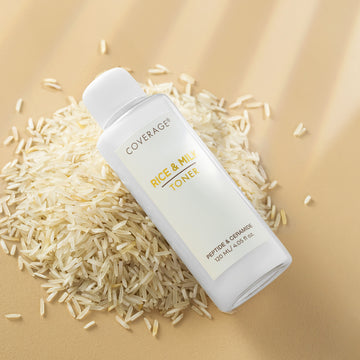
COVERAGE Rice and Milk Toner
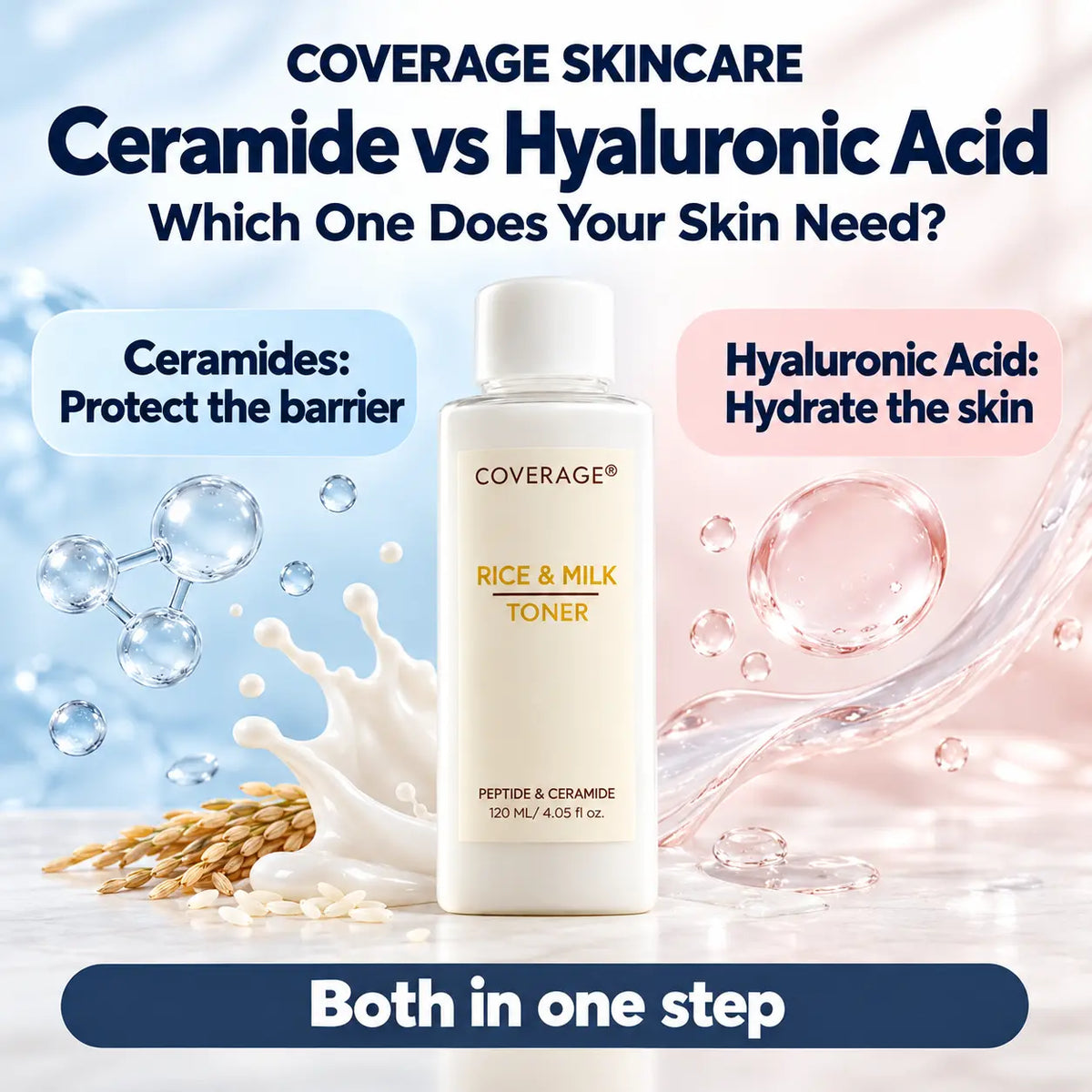
The COVERAGE Rice and Milk Toner is the hydrating step. It is a milky, fragrance-free and non-comedogenic toner with fermented rice extract, Ceramide NP, Palmitoyl Tripeptide-1, almond milk, Sodium Hyaluronate and Panthenol. Sodium Hyaluronate brings the water, Ceramide NP supports the lipid side, and Panthenol brings comfort. It comes in a 120ml bottle at a regular price of Rs.2,100.
COVERAGE Centella Moisturizer
The COVERAGE Centella Moisturizer is the core of the routine. It is our barrier repair moisturizer, and it brings the main barrier ingredients together in one light cream:
- Centella Asiatica extract and ProBio-Cica, a fermented centella, to calm reactive skin
- Ceramide to support the skin’s mortar
- Niacinamide to support the skin’s own lipid production
- Panthenol and Licorice extract for comfort
- Squalane and Sodium Hyaluronate to soften and hydrate
When our label says centella, we use the same grade of centella that Korean brands use. The cream is lightweight, non-sticky and non-comedogenic, so you can wear it every day through a Pakistani summer. It comes in a 60ml jar at a regular price of Rs.2,250. Our centella moisturizer guide explains the formula in full.
See the COVERAGE Centella Moisturizer

COVERAGE Hydra Therapy Moisturizer
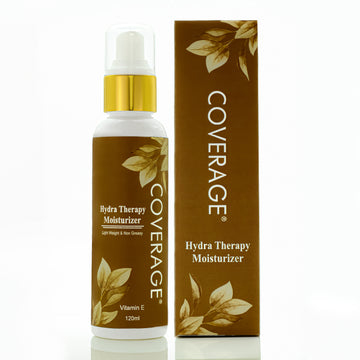
For dry skin, and for winter, the COVERAGE Hydra Therapy Moisturizer is the comforting choice. Glycerin and Hyaluronic Acid draw water in, and jojoba oil and shea butter soften skin that feels tight and flaky. It comes in a 120ml bottle at a regular price of Rs.1,550. Apply it to slightly damp skin, morning and night.
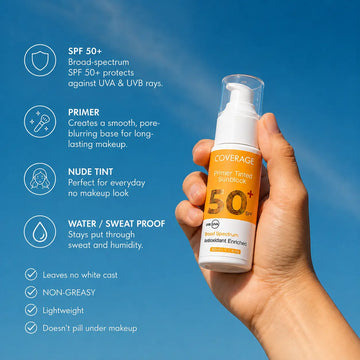
COVERAGE Primer Tinted Sunblock SPF 50+
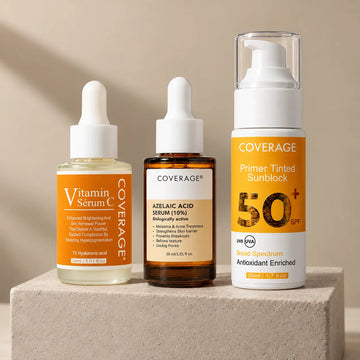
Sunscreen protects the barrier while it heals, and it helps stop irritation from turning into dark marks. The American Academy of Dermatology suggests a sunscreen with zinc oxide, titanium dioxide or both for skin that is easily irritated. The COVERAGE Primer Tinted Sunblock SPF 50+ is 100% mineral, with micronized zinc oxide and titanium dioxide as its only UV filters. Its natural tint blends into fair and medium skin tones on contact and settles into deeper tones within seconds. Regular price Rs.1,599 for 50ml. Our mineral tinted sunscreen guide explains why mineral filters suit sensitive skin.
COVERAGE Deep Nourishing Foaming Cleanser
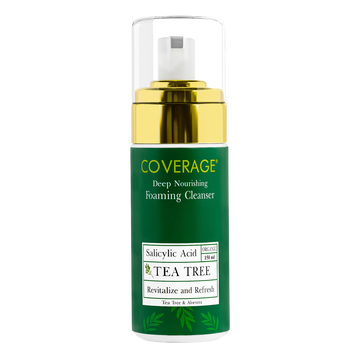
For the evening cleanse, the COVERAGE Deep Nourishing Foaming Cleanser cleans without stripping. It lifts sunscreen, sweat and the day’s oil, with Panthenol, Zinc PCA and Niacinamide to keep skin comfortable and no added fragrance. Start once a day, in the evening, and build up as your skin adjusts. It suits skin that is oily or breakout-prone as well as sensitive. Regular price Rs.1,750 for 150ml.
The toner, the moisturizer and the sunblock are also sold together as the Repair and Protect Trio. Check the product pages for current offers.

When to bring your active ingredients back
Once products stop stinging, redness has faded and your skin feels comfortable after washing, you can bring your actives back.
- One product at a time, starting with the gentlest.
- Twice a week at first, then build up slowly.
- Moisturizer before or after an active softens its effect.
- If irritation returns, go back to the simple routine and try again more slowly.
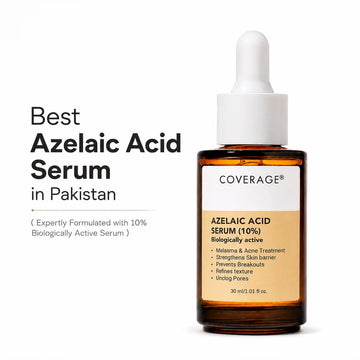
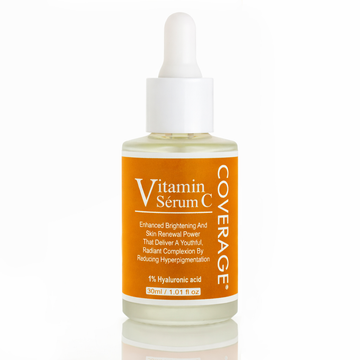
Our Vitamin C + 1% HA Skin Serum and Azelaic Acid Serum 10% fit in at this stage, after the toner and before the moisturizer.
Purging or irritation?
Purging happens only with ingredients that speed up skin renewal, such as retinoids and exfoliating acids. It shows up where you usually break out, and it eases in about four to six weeks. Burning, redness, strong itching or spots in new places point to irritation. If that happens, stop the product and go back to the simple routine.
Dry, dehydrated, sensitive or damaged? A quick guide
These words are often mixed up. This table is for learning, not for diagnosis.
| Skin state | What it is | Typical signs | What helps |
|---|---|---|---|
| Dry skin | Skin that is short of oil and holds water poorly | Flaking, rough feel, often lifelong | Emollients and lipids, used every day |
| Dehydrated skin | A temporary shortage of water, in any skin type | Tightness, dullness. Skin can be oily and dehydrated together. | Humectants and gentler washing |
| Sensitive skin | Skin that reacts easily, often for years | Stinging, burning, tightness. Skin may look normal. | A gentle, short routine and fewer triggers |
| Damaged skin barrier | A weakened outer layer | New stinging, redness, dryness that keeps coming back | Simplify, then support with ceramide, humectants and emollients |
| Rosacea, eczema, contact dermatitis | Medical skin conditions | Lasting redness, itchy or weeping patches, or a rash where a product was applied | See a dermatologist |

How long does skin barrier repair take?
Mild irritation often feels better within two to four weeks of a simple routine. Longer-standing damage can take a few months. Cleveland Clinic notes that it typically takes three or four months to see the full benefit of your efforts. There is no fixed clinical timeline, because every skin is different.
The reason is simple. The outer layer of your skin renews itself about every four weeks, so part of the skin you are repairing has not been made yet. Four weeks of a plain, gentle routine does more than two weeks of a complicated one.
When to see a dermatologist
Home care is right for mild, everyday irritation. Please see a dermatologist if you have:
- swelling of the face, lips or eyes, or a rash that is spreading. Get help straight away.
- severe burning
- painful cracking, oozing or crusting
- redness that does not settle with a simple routine
- no improvement after two to four weeks
- a history of using steroid creams or mixed whitening creams on your face
- reactions that keep coming back without a clear cause
A dermatologist can tell the difference between a temporarily damaged barrier and a condition such as eczema, rosacea or contact dermatitis, which needs its own treatment.
Who makes COVERAGE?
We do. COVERAGE is our own Pakistani brand, built on our family’s 40 years in skincare manufacturing. We choose the raw materials and make every product ourselves, in our own GMP certified and ISO 9001 certified facility in Lahore, and COVERAGE is Halal certified. Our formulas are developed by our in-house chemical engineers. More than 72,000 COVERAGE orders have been delivered across Pakistan, with cash on delivery nationwide.

Skin barrier repair in Pakistan: FAQs
How do you repair a damaged skin barrier?
Simplify first. Use a gentle face wash, a barrier repair moisturizer and daily sunscreen, and pause scrubs, leave-on acids and retinoids. Use lukewarm water and pat your skin dry. Mild irritation often eases in two to four weeks.
What are the signs and symptoms of a damaged skin barrier?
The most common signs are stinging when you apply products, tightness after washing, redness, flaking, and skin that stays dry even after moisturizer. These signs can also come from other skin conditions, so see a dermatologist if they do not settle.
Skin barrier kaise theek karein?
Products kam karein. Scrub, acid aur retinol kuch hafton ke liye band karein, neem garam pani aur halka face wash istemal karein, subah shaam barrier repair moisturizer lagayein aur roz sunblock lagayein. The COVERAGE Centella Moisturizer is our barrier repair moisturizer for this routine.
How long does skin barrier repair take?
Mild irritation often feels better within two to four weeks of a simple routine. Longer-standing damage can take a few months. There is no fixed timeline, because the outer layer of skin renews itself about every four weeks and every skin is different.
Why does my face burn when I apply cream or after I wash it?
When the outer layer of skin is weakened, products reach the living skin underneath more easily, so even gentle ones can sting. Let your face dry before you apply moisturizer, use lukewarm water, and keep your routine short. See a dermatologist if the burning is severe or does not settle.
Can a whitening cream or steroid cream damage the skin barrier?
Yes. Many mixed whitening creams contain strong steroids, and long use on the face can leave skin thin, red and burning. In a Lahore study of 200 patients with steroid damage on the face, half had used steroids mixed with fairness creams. Do not stop such a cream suddenly on your own. See a dermatologist.
Which is the best barrier repair cream in Pakistan?
Look for a cream with ceramide, niacinamide, panthenol and a calming ingredient such as centella, in a texture light enough for our weather. The COVERAGE Centella Moisturizer has all of these in a lightweight, non-comedogenic cream, at a regular price of Rs.2,250 for 60ml.
Is there a ceramide moisturizer in Pakistan?
Yes. The COVERAGE Centella Moisturizer contains Ceramide with Niacinamide, Centella Asiatica and Panthenol, and the COVERAGE Rice and Milk Toner contains Ceramide NP. We make both in our own certified facility in Lahore.
What is the price of a barrier repair moisturizer in Pakistan?
The COVERAGE Centella Moisturizer has a regular price of Rs.2,250 for 60ml, and the COVERAGE Hydra Therapy Moisturizer Rs.1,550 for 120ml, as of October 2026. Check the product pages for current offers. Cash on delivery is available across Pakistan.
Which face wash should I use with a damaged skin barrier?
Use a gentle face wash with lukewarm water and your fingertips, and limit washing to twice a day and after sweating. A plain water rinse is enough in the morning. The COVERAGE Deep Nourishing Foaming Cleanser cleans without stripping and has no added fragrance. Start once a day, in the evening.
What is the best moisturizer for sensitive skin?
One that combines barrier lipids, water-holding humectants and calming ingredients in a texture you will wear every day. The COVERAGE Centella Moisturizer pairs Centella Asiatica and ProBio-Cica with Ceramide, Niacinamide, Panthenol, Squalane and Sodium Hyaluronate in a lightweight base.
Can sensitive skin have a damaged barrier?
Yes, and the two often appear together, but they are not the same. Sensitive skin reacts easily, sometimes with a healthy barrier. A damaged barrier is a physical weakening of the outer layer that can happen to anyone, and it makes skin more sensitive for a while.
Are ceramides good for sensitive skin?
Yes. Ceramides are the largest part of the lipids that hold the skin barrier together, at about 45 to 50% by weight. In a 2018 study of 50 adults, a ceramide cream raised skin hydration for 24 hours.
Can niacinamide support the skin barrier?
Yes. In a study by Tanno and colleagues in 2000, niacinamide raised ceramide production four to five times in cultured skin cells, and on dry skin it raised ceramide levels and lowered water loss. Very reactive skin should still introduce it gradually.
Does oily or acne-prone skin need barrier repair?
Yes. The American Academy of Dermatology says a daily moisturizer helps skin tolerate acne treatments, and advises choosing one labelled non-comedogenic. The COVERAGE Centella Moisturizer is lightweight and non-comedogenic, so it suits oily and acne-prone skin.
Can I use vitamin C or azelaic acid with a damaged skin barrier?
Keep niacinamide, panthenol and centella during repair. If a vitamin C or azelaic acid serum stings, pause it and bring it back once products stop stinging, one at a time, starting twice a week.
Should I stop retinol when my skin barrier is damaged?
If your skin is stinging, burning or flaking, pausing retinol is sensible. Retinoid irritation usually peaks in the first one to two weeks and then eases. Once your skin is calm, bring it back slowly, twice a week at first.
Is my skin purging or irritated?
Purging happens only with ingredients that speed up skin renewal, appears where you usually break out, and eases in about four to six weeks. Burning, redness, strong itching or spots in new places point to irritation, so stop the product.
Is slugging or petroleum jelly good for a damaged skin barrier?
Petroleum jelly is a strong seal against water loss, so it can help very dry skin at night in dry weather. The American Academy of Dermatology advises against putting it on your face if you are acne-prone. In our humid months, a light barrier moisturizer is easier to wear.
Which sunscreen will not sting on sensitive skin?
The American Academy of Dermatology suggests a sunscreen with zinc oxide, titanium dioxide or both for easily irritated skin. The COVERAGE Primer Tinted Sunblock SPF 50+ is 100% mineral, with zinc oxide and titanium dioxide as its only UV filters.
Can a damaged skin barrier cause dark marks?
Yes. The American Academy of Dermatology notes that in darker skin, irritation can trigger dark marks. That is a strong reason to calm your skin first and wear sunscreen every day.
Will a damaged skin barrier heal on its own?
Mild damage usually settles once the cause is removed, because the outer layer of skin renews itself about every four weeks. A gentle routine helps it along. If your skin gets worse on a gentler routine, see a dermatologist.
How do I know my skin barrier is improving?
You feel less tightness after washing, products stop stinging, redness fades, and your skin holds moisture for longer. These changes come gradually over a few weeks.
Why is my skin tight and flaky in winter?
Low humidity dries skin out. Keep showers short and warm, not hot, and moisturize while your skin is still slightly damp. The COVERAGE Hydra Therapy Moisturizer, with Glycerin, Hyaluronic Acid, jojoba oil and shea butter, is our comforting choice for dry winter skin.
Does hard water damage the skin barrier?
It may add to irritation. A 2018 study of 80 people found that hard water left more cleanser residue on the skin, which raised water loss and irritation. Rinse your face well and moisturize straight after.
How do I patch test a new product?
The American Academy of Dermatology advises applying the product to a coin-sized spot, such as the inner arm, twice a day for seven to ten days. If your skin reacts, wash it off and stop using it.
Can I wear makeup while my skin barrier heals?
Yes, keep it light and remove it gently without scrubbing. Our Primer Tinted Sunblock SPF 50+ gives sun protection and light coverage in one step, which means one product fewer on your skin.
Is a barrier repair moisturizer necessary in Pakistan’s climate?
Yes. Strong sun, summer humidity, long hours of air conditioning and frequent washing all put steady pressure on the skin barrier. The moisturizer needs to be light enough to wear every day, which is why we made the COVERAGE Centella Moisturizer lightweight and non-comedogenic.
Where can I buy COVERAGE barrier repair products?
Order from coverageskincare.com with cash on delivery anywhere in Pakistan.
The bottom line
Sensitive skin barrier repair is mostly about doing less. Use fewer products and gentler steps, choose ingredients that support the barrier, and give your skin a few weeks to renew itself. Cleanse gently, hydrate with the Rice and Milk Toner, repair with the Centella Moisturizer and protect with the Primer Tinted Sunblock SPF 50+. We make all of them in our own certified facility in Lahore, for Pakistani skin and Pakistani weather.
Shop the Centella Moisturizer Shop the Repair and Protect Trio
Sources: Madison, Journal of Investigative Dermatology, 2003, lipids of the skin barrier. Lambers et al., International Journal of Cosmetic Science, 2006, skin surface pH. Farage, Frontiers in Medicine, 2019, sensitive skin. Ananthapadmanabhan et al., Dermatologic Therapy, 2004, cleansing and the skin. Leyden et al., Dermatology and Therapy, 2017, retinoid irritation. Chohan et al., Journal of Pakistan Association of Dermatologists, 2014, steroid damage on the face. British Association of Dermatologists and National Eczema Society, joint statement, 2024. Danby et al., Journal of Investigative Dermatology, 2018, hard water and the skin. Spada et al., Clinical, Cosmetic and Investigational Dermatology, 2018, ceramide cream. Tanno et al., British Journal of Dermatology, 2000, niacinamide. Bylka et al., Advances in Dermatology and Allergology, 2013, Centella asiatica. Weinstein and Van Scott, Journal of Investigative Dermatology, 1965, skin renewal time. American Academy of Dermatology: face washing, exfoliation, moisturizer and acne, petroleum jelly, skin care for easily irritated skin, how to test skin care products and retinoids. Cleveland Clinic, skin barrier. Banner Health, purging and irritation. DermNet, sensitive skin. Weather2Travel, monthly UV index data. Product details and prices taken from COVERAGE product pages, October 2026.
This article is for general informational purposes only and is not a substitute for professional medical advice. All information and claims referenced above are drawn from publicly available dermatological studies and expert sources. Always consult a dermatologist for advice specific to your skin.

Leave a comment
This site is protected by hCaptcha and the hCaptcha Privacy Policy and Terms of Service apply.