
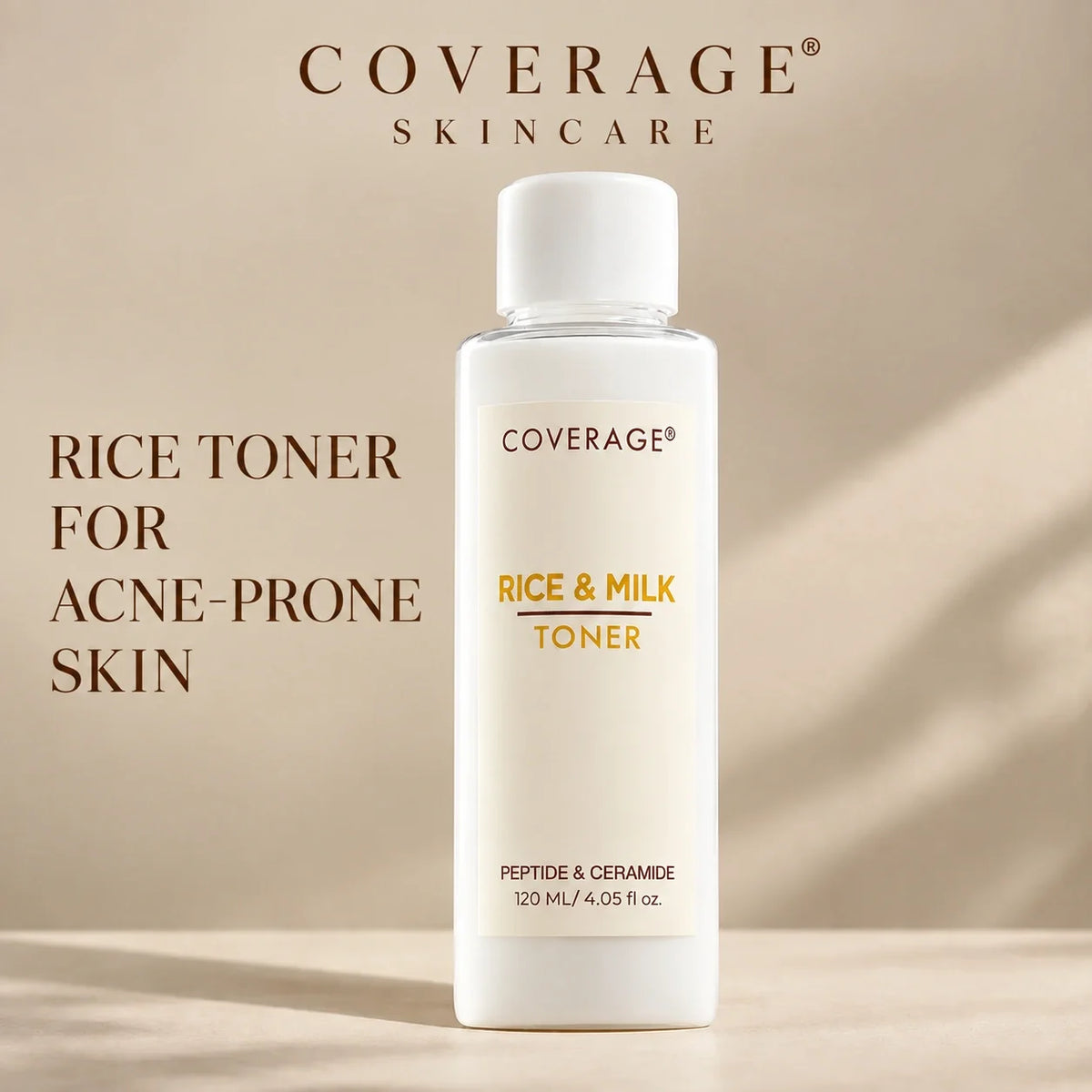
Rice Toner for Acne-Prone Skin: Does It Help, and What It Cannot Do
Rice toner is suitable for most acne-prone skin, but only if you understand what it is for. A lightweight, fragrance-free rice toner adds water back into skin and supports the barrier. It does not treat acne. That single distinction decides whether the product works for you or disappoints you, and almost nobody selling rice toner in Pakistan says it out loud.
This guide is written for skin that is breaking out: keel muhase, oily by 2pm but tight straight after washing, stinging from a salicylic face wash, and collecting daag dhabbe that stay for months. It covers what rice extract can and cannot do, why a milky toner suits oily skin, how to layer a toner with actives like salicylic acid, azelaic acid and retinoids, and where our COVERAGE Rice & Milk Toner fits in an acne routine built for Pakistan's heat.

The short answer
Yes, rice toner is generally safe and useful for acne-prone skin when it is lightweight, fragrance-free and free of drying alcohol. It hydrates, calms and supports the skin barrier, which makes real acne treatments easier to tolerate and stick with.
No, it does not treat acne. It will not clear cystic breakouts, erase acne scars, permanently shrink pores or lighten your skin tone. Anything promising that is marketing, not medicine.
Is rice toner good for acne-prone skin?
For most people, yes, with two conditions: it has to be lightweight, and it has to be free of fragrance and denatured alcohol.
Acne-prone skin still needs water. What it does not need are heavy pore-clogging oils, added fragrance, or ethanol that strips and stings. Rice-derived ingredients are documented as soothing, antioxidant and moisturising, and skin that is comfortable and well hydrated tolerates acne treatment far better than skin that is raw.
The one real caution is fungal acne, also called Malassezia folliculitis. If your breakouts are uniform itchy bumps across the forehead, chest or back rather than mixed blackheads and inflamed pimples, be careful with any fermentable or sugar-rich ingredient and patch test properly.
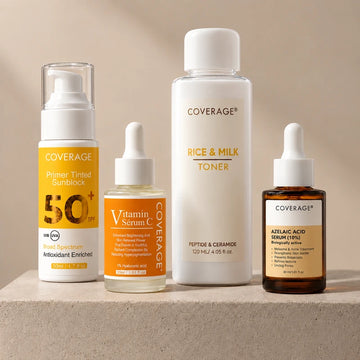
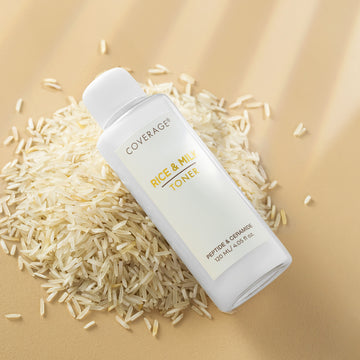
Looking for the product, not the science? Our COVERAGE Rice & Milk Toner (Ceramide + Peptide) is a milky, fragrance-free, non-comedogenic hydrating toner built on rice extract, Ceramide NP, almond milk and Sodium Hyaluronate. It comes in 120ml and 60ml, with cash on delivery across Pakistan. The rest of this guide explains why each of those choices matters for breakout-prone skin.
Does rice toner treat acne? No, and here is why that matters
Acne vulgaris is driven by four things: excess sebum, blocked follicles, the bacterium Cutibacterium acnes, and inflammation. The topical ingredients with real clinical evidence against those four are benzoyl peroxide, retinoids, salicylic acid, azelaic acid and topical antibiotics.
A rice toner contains none of them at treatment strength. It is a cosmetic hydration step.
A toner does not treat acne. It makes the treatments that do treat acne survivable.
That is not a small job. The most common reason people in Pakistan fail an acne routine is not that the active did not work. It is that the active dried them out in week two, they panicked, over-cleansed, stacked another product on top, and quit. A hydrating, barrier-supporting toner is how you stay in the game long enough for the actual treatment to do something. If you want the treatment side in full, read our complete keel muhase ka ilaj guide.

Oily skin is not hydrated skin
This is the piece most people get wrong. Oil and water are not the same thing, and your face can be producing plenty of the first while running short of the second. That is dehydrated oily skin, and it is extremely common in Pakistani cities: air conditioning, heat, sweat, hard water, twice-daily foaming cleansers and an acne active on top.
The signs are specific. Skin feels tight or squeaky right after washing, then looks greasy a few hours later. Makeup clings to flaky patches even though the T-zone shines. Fine lines look worse in the evening than the morning. Skin stings when a serum goes on.
What fixes that is not more oil. It is humectants, ingredients that pull and hold water in the upper layers of skin: glycerin, sodium hyaluronate, panthenol, fructooligosaccharides. A toner is the lightest possible way to deliver them, which is exactly why oily and acne-prone skin does better with a good toner than without one.

Why the skin barrier decides how your acne routine goes
The outer layer of skin, the stratum corneum, works like brickwork: flat dead cells held together by a lipid mortar made of ceramides, cholesterol and fatty acids. Intact, it keeps water in and irritants out.
Acne routines are unusually hard on it. Exfoliating acids, benzoyl peroxide and retinoids all disrupt that lipid mortar to some degree. Water then escapes faster than skin can replace it, a process called transepidermal water loss, and you get the familiar sequence: dryness, stinging, redness, flaking, then more oil as skin overcompensates.
Ceramides, panthenol and glycerin are the ingredients that push back on that. Ceramide NP in particular is the dominant ceramide in healthy stratum corneum, it is measurably lower in barrier-damaged skin, and formulas containing it have been shown in controlled studies to help restore barrier function. That is why its presence in a toner is worth more than the rice on the front of the bottle.
Rice extract: what it can and cannot do
Supported
Rice-derived ingredients carry antioxidants including ferulic acid, vitamin E and gamma-oryzanol, and have in-vivo support for hydration and barrier function. In a double-blind placebo-controlled study published in the Journal of the American Academy of Dermatology in 2007, a 1% rice extract improved skin hydration by 111% against placebo at one hour and cut transepidermal water loss by 73% over a three-hour test, with a 28-day arm also showing significant hydration gains.
Honesty about that study matters, because it is quoted everywhere without context: the sample sizes were small, the volunteers were tested on forearms rather than faces, and the authors were employed by the company that makes the extract. It is real evidence. It is not overwhelming evidence.
Not supported
Rice extract in a toner will not whiten or bleach skin, remove tan, erase acne scars, permanently close pores or clear active acne. Most of the stronger rice research uses concentrated rice bran extracts or oral rice ceramides, not a leave-on cosmetic toner.
Treat rice extract as a supportive antioxidant and hydration ingredient, not a hero active. The hero actives in an acne routine are elsewhere.

Rice toner vs rice water: do not make it at home
Rice water is the starchy liquid left after rinsing or soaking rice. A rice toner is a formulated product: preserved, pH-adjusted, stability-tested, and built on a standardised extract so every bottle behaves the same way.
For acne-prone skin the difference is not cosmetic, it is a safety difference. Home-fermented rice water is unpreserved and rich in starch, sugar and protein, which makes it a decent growth medium for bacteria and yeast. Board-certified dermatologists have publicly warned that DIY rice water can grow microbes on the counter and that fermentable carbohydrates can feed Malassezia, the yeast behind fungal acne.
Putting an unpreserved liquid on inflamed, broken skin every morning is a gamble with no upside. The formulated version costs money and removes the gamble.
Where a milky toner fits in an acne-prone routine
A milky toner sits between a watery toner and a light essence. The creaminess comes from emollients and film-forming ingredients, not from added grease, which is why it can feel more substantial without behaving like a heavy cream.
Morning
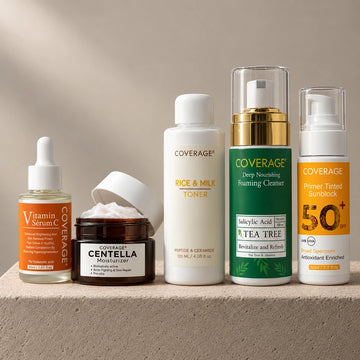
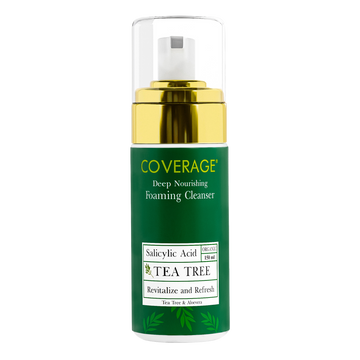
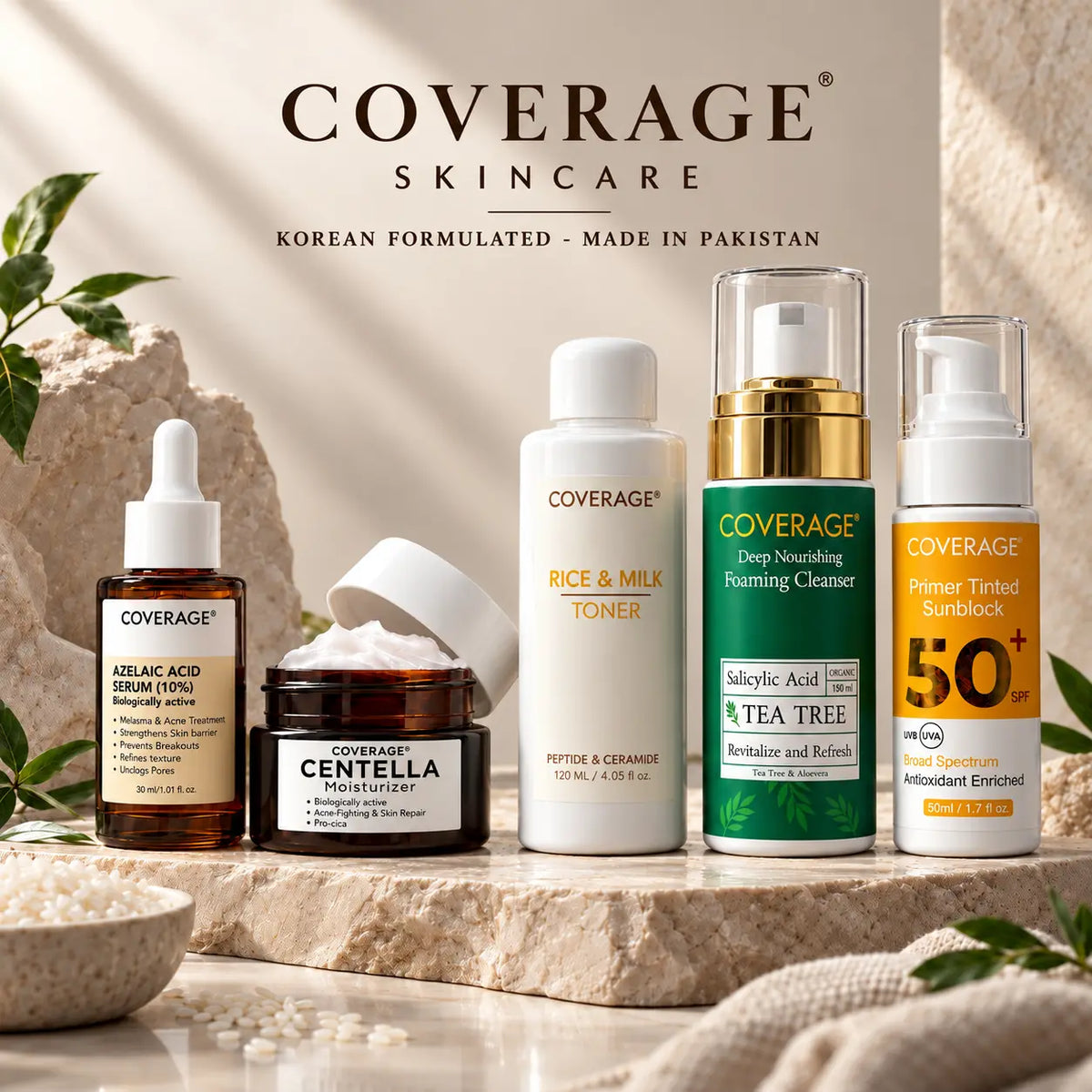
- Gentle cleanse. For breakout-prone skin, our salicylic acid face wash works here because the acid rinses off rather than sitting on skin all day.
- Rice toner on slightly damp skin, pressed in with the palms.
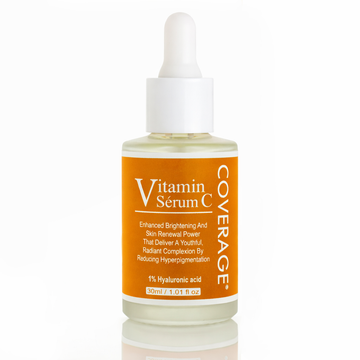
- Treatment serum if you use one in the morning, such as our vitamin C.
- Light moisturiser.
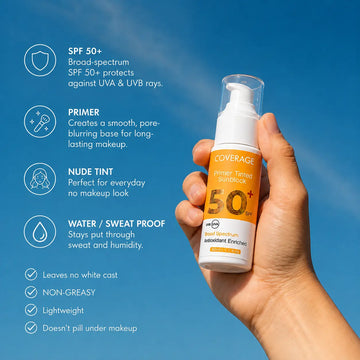
- Sunscreen, every single morning. For oily and acne-prone skin, a sunscreen chosen for oily acne-prone skin matters more than any other step in this list for the marks you already have.
Evening
- Cleanse.
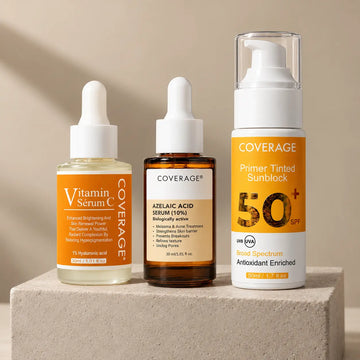
- Your active on its night: salicylic acid, our azelaic acid 10%, or a retinoid.
- Rice toner as a hydrating buffer over or under the active, depending on how reactive you are.
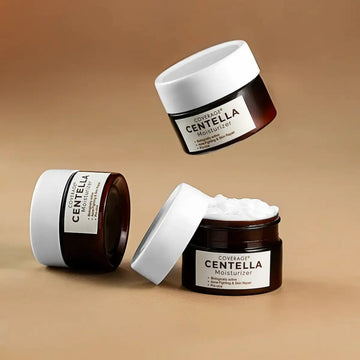
- Moisturiser to seal, such as our centella barrier moisturiser.
If your skin is currently raw, start the toner alone for a week before reintroducing actives. Comfort first, then treatment.

Layering rice toner with acne actives
With salicylic acid
A strong pairing. Salicylic acid is oil-soluble and works inside the pore, but it commonly causes dryness and flaking. Hydration layered around it reduces the irritation that makes people quit. Use the BHA on its own step and let the toner handle comfort.
With azelaic acid
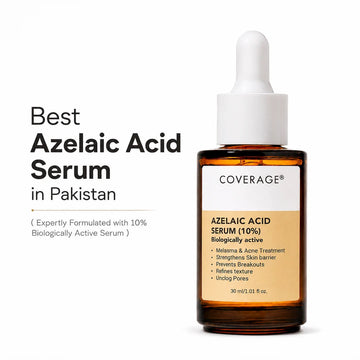
Compatible and, for Pakistani skin, probably the most useful combination on this list, because azelaic acid works on both active breakouts and the marks they leave. It can cause transient tingling in the first two weeks. Toner first, azelaic acid after, moisturiser on top. More detail here: our azelaic acid serum in Pakistan guide.
With retinoids
Retinoids are among the most effective acne actives and also the most likely to cause retinoid dermatitis in the first month. Standard clinical advice is to pair them with a gentle non-comedogenic moisturiser and daily sunscreen to improve tolerability. A milky toner is a sensible first hydration layer in that routine.
With niacinamide
Complementary, and worth noting our toner does not itself contain niacinamide, so this means pairing it with a separate niacinamide product if you want oil control. The evidence on niacinamide is decent: in a controlled study of 100 subjects, 2% niacinamide significantly reduced sebum excretion rate after two and four weeks, and in a comparative trial 4% nicotinamide gel performed comparably to 1% clindamycin gel for inflammatory acne.
With vitamin C
Compatible. Toner first to hydrate, then the serum. Hydrated skin also tends to sting less with vitamin C.
With prescription acne medication
Generally fine as a supportive step, but the medication takes priority. Keep using it exactly as prescribed, treat the toner as comfort and hydration, and ask your dermatologist if you are unsure about layering anything over a prescription.
Does rice toner help acne marks and daag dhabbe?
Only indirectly, and this is worth being blunt about because it is the single most oversold claim in Pakistani skincare.
The dark patches left after a pimple heals are post-inflammatory hyperpigmentation. The red or pink ones are post-inflammatory erythema. Neither is a scar in the medical sense, and both fade, but slowly, over months rather than weeks.
What actually moves them:
- Daily broad-spectrum sunscreen. This is the strongest evidence-based measure for preventing and limiting post-inflammatory hyperpigmentation, especially in deeper skin tones. Without it, every other step is working against fresh UV-driven darkening.
- Targeted actives: azelaic acid, niacinamide, vitamin C, retinoids.
- Not picking. Unglamorous, and it outperforms most products.
The toner's role is supporting: a calm, intact barrier heals with less inflammation, and less inflammation means less pigment deposited in the first place. If marks are your main concern, start with our guide to the best serum for dark spots and pigmentation instead.

"Non-comedogenic" is not a guarantee
Non-comedogenic means a product is formulated to be less likely to block pores and form comedones. It is a genuinely useful signal about formulation intent.
It is also unregulated. There is no legally required, standardised test behind the phrase anywhere, and no authority checking it. We use it, like most brands do, because it communicates something real about how a formula was built, not because a regulator signed it off.
What that means for you: treat it as a reason to try a product, not a promise about your face. Patch test on the jawline for a few days, then watch your skin for two to three weeks. Your own skin's response is better data than any label.
What is actually in our Rice & Milk Toner
The formula reads as a hydration and barrier system rather than a single marketing ingredient. Here is what is on the label:
- Rice extract - the antioxidant and soothing component, with in-vivo support for hydration and barrier function at cosmetic levels.
- Ceramide NP - a skin-identical ceramide, the dominant one in healthy stratum corneum and central to barrier repair. This is the ingredient that separates a hydrating toner from a barrier-supporting one.
- Almond milk - the plant milk that gives the creamy texture. Note it if you have a tree nut allergy.
- Sodium Hyaluronate - lightweight humectant, binds water at the surface.
- Fructooligosaccharides - sugar-based humectant with prebiotic-type properties.
- Panthenol - pro-vitamin B5, a soothing humectant with clinical support for improving hydration, lowering water loss and calming irritation.
- Chlorella Vulgaris extract - algae-derived antioxidant with soothing and hydrating properties.
Plus the positioning that matters for breakout-prone skin: fragrance-free, non-comedogenic, milky but fast-absorbing, and built to be layered two or three times over on dry days.
Two honest notes. The product name says Peptide, and any peptide or amino acid content here comes from botanical sources rather than a named clinical peptide, so we are not making a specific peptide claim in this article. And we formulate it fragrance-free and non-comedogenic, with the unregulated status of that term already covered above.


Watery toner vs milky toner vs our formula
| Feature | Typical watery rice toner | Typical milky rice toner | COVERAGE Rice & Milk Toner |
|---|---|---|---|
| Texture | Thin, water-like | Creamy, milky | Milky but fast absorbing |
| Main job | Light hydration and prep | Hydration and softening | Hydration plus barrier support |
| Barrier lipids | Usually none | Sometimes | Ceramide NP named on the product page |
| Soothing agents | Varies | Common | Panthenol, Chlorella extract |
| Fragrance | Sometimes added | Sometimes added | Fragrance-free |
| Built for layering | Possible | Good | Designed for the 7-skin method |
This compares formulation categories, not specific competing products. The best toner is the one your skin tolerates, in a routine you can actually keep up.
How to use rice toner on acne-prone skin
- Cleanse and leave skin slightly damp. Do not dry it completely, humectants work better with water to grab.
- Dispense a few drops into clean palms and press into the face and neck. Palms waste less product than a cotton pad and there is no dragging on inflamed skin.
- Avoid the immediate eye area.
- On dry or flaky days, press on a second and third thin layer once the first has absorbed. This is the 7-skin method, and it is where the glass skin look comes from, not from any single product.
- Follow with serum, then moisturiser. In the morning, sunscreen last.
- No rinsing.
Frequency: twice daily suits most people. If your skin is currently reactive or you are starting a new active at the same time, use it in the evening only for the first week or two, then build up.

How long before you see anything
- Days to one week: skin feels less tight after cleansing, less stinging when actives go on.
- Four to six weeks: surface looks smoother and less dull, makeup sits better, flaking around the nose and chin settles.
- Three months and beyond: marks and tone evenness, and that timeline belongs mostly to your sunscreen and your actives, not the toner.
What will not happen on any timeline: cystic acne clearing, scars filling in, pores changing size permanently, skin getting a shade lighter.
Mistakes that ruin this for acne-prone skin
- Buying a fragranced or high-alcohol toner because it feels refreshing. Fragrance is one of the most common causes of cosmetic irritation, and the cooling sting is not the product working.
- Chasing brightening while skipping sunscreen. Everything else is undone every afternoon.
- Stacking three actives at once, then blaming the toner when skin reacts.
- Making DIY rice water for skin that is already inflamed.
- Expecting a toner to replace treatment.
- Quitting at day ten. Hydration and barrier benefits build across weeks.
Who should patch test, and who should see a doctor
Patch test if you have very reactive skin, a known tree nut allergy given the almond milk, or skin that is currently broken, weeping or infected. Be cautious with fermentable and sugar-rich ingredients if you have confirmed fungal acne.
See a dermatologist rather than reaching for cosmetics if your acne is severe, deep and painful, leaving indented scars, or has not responded to over-the-counter products after a few months. A toner is not the answer to that, and neither is another serum.


The verdict
For acne-prone skin, a lightweight fragrance-free rice toner is a sensible hydration and barrier-support step, and a poor substitute for treatment. The evidence supports rice extract and its supporting ingredients for hydration, soothing and antioxidant benefit. It does not support curing acne, erasing scars or shrinking pores, and any brand telling you otherwise is counting on you not checking.
Our COVERAGE Rice & Milk Toner is a rational pick in this category because it pairs humectants with Ceramide NP and soothing botanicals in a fragrance-free, non-comedogenic base that layers well in heat. Use it to keep skin comfortable and resilient while your actives and your sunscreen do the treatment work. If you want the toner assessed on its own terms rather than through the acne lens, our honest guide to rice and milk toner in Pakistan covers price, sizes and everyday use.

Frequently asked questions
Is rice toner good for acne-prone skin?
Yes for most people, provided it is lightweight, fragrance-free and alcohol-free. It hydrates and soothes. It does not treat acne.
Can rice toner cause acne?
A well-formulated non-comedogenic, fragrance-free toner is unlikely to, but any product can break out an individual. Fermentable and sugar-rich ingredients may aggravate fungal acne specifically. Patch test first.
Does rice toner clog pores?
A non-comedogenic formula is built not to, but the term is unregulated and untested by any authority. Watch your own skin over two to three weeks.
Does rice toner reduce pimples?
Not directly. It supports the barrier so that the actives which do reduce pimples, such as salicylic acid, azelaic acid, benzoyl peroxide and retinoids, are easier to tolerate and keep using.
Does rice toner help acne marks and daag dhabbe?
Only indirectly. Daily sunscreen is the strongest evidence-based step for post-inflammatory hyperpigmentation, supported by actives like azelaic acid, niacinamide and vitamin C. The toner keeps the barrier calm while they work.
Does rice toner whiten skin?
No. Expect a gradual reduction in dullness and a more even-looking surface from better hydration. Any product promising fairness is selling something else.
Can oily skin use rice toner?
Yes. Oily skin is frequently dehydrated at the same time. Choose lightweight, fragrance-free and alcohol-free, and in humid weather many oily-skin users treat a milky toner as their only hydration step.
Is a milky toner too heavy for oily skin?
Not if it is formulated lightly. The milkiness in a good formula comes from emollients and film-formers rather than added oil, so it absorbs rather than sitting on top.
Can sensitive skin use rice toner?
Usually yes, and fragrance-free matters most here. Patch test if you react easily.
Can I use rice toner with salicylic acid?
Yes, and it is a good pairing. The BHA clears pores, the toner offsets the dryness that makes people stop using it.
Can I use rice toner with azelaic acid?
Yes. Apply the toner first, then the azelaic acid on its step, then moisturiser. The toner helps with the tingling some people feel in the first two weeks.
Can I use rice toner with retinol?
Yes, and a hydrating layer is standard advice alongside retinoids to reduce dryness and peeling. Keep the retinoid on its own step and never skip sunscreen the next morning.
Can I use rice toner twice a day?
Yes, morning and night suits most people. Start with evenings only for a week or two if your skin is currently reactive.
Is rice water the same as rice toner?
No. A toner is preserved, pH-controlled and standardised. DIY rice water is unpreserved, varies batch to batch and can grow bacteria and yeast, which is a poor idea on inflamed skin.
What should I apply after rice toner?
Serum, then moisturiser. In the morning, sunscreen as the final step.
How long does rice toner take to work?
Comfort and hydration within days. Smoother, less dull skin over roughly four to six weeks. Marks take months and depend mostly on sunscreen and actives.
Is your Rice & Milk Toner fragrance-free and non-comedogenic?
Yes to both. Keep in mind non-comedogenic is an unregulated term industry-wide rather than a certified one.
Which size should I buy?
The 120ml is the everyday size, the 60ml suits travel or a first try. Both are the same formula and both are available on cash on delivery across Pakistan.
This article is for general informational purposes only and is not a substitute for professional medical advice. All information and claims referenced above are drawn from publicly available dermatological studies and expert sources. Always consult a dermatologist for advice specific to your skin.

Leave a comment
This site is protected by hCaptcha and the hCaptcha Privacy Policy and Terms of Service apply.